Agave wocomahi Care

Agave wocomahi

About Agave wocomahi

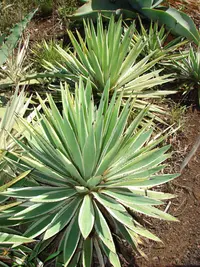
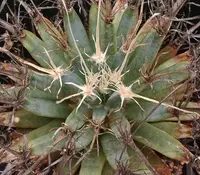
Agave wocomahi is a slow-growing succulent from arid regions of northwestern Mexico. It forms a tight rosette of thick, blue-green leaves with sharp spines. Mature plants can become quite architectural, with strong symmetry and a bold, upright habit that suits dry gardens and minimalist landscapes. In nature, it grows on rocky slopes and well-drained soils. This species is generally tough and drought-tolerant but resents poor drainage and prolonged cold, which can limit where it thrives outdoors. It prefers strong light, low to moderate moisture, and gritty, fast-draining soil, which simplifies how to care for Agave wocomahi for many growers.

Main Plant Requirements

Care Difficulty

Easy Care

Light Preference

Full Sun

Water Requirements

Low Water

Temperature Preference

Warm Climate

Hardiness Zone

9–11

Soil Texture

Sandy, Loamy, Rocky

Soil pH

Slightly acidic (6.5–7.0), Neutral (7.0)

Soil Drainage

Well-drained

Fertilization

Minimal (feed rarely)

Get Personalized Care Plan

Scan your plant to receive care tips personalized for your specific plant

Available on iOS and Android

How to Care for the Agave wocomahi

This sun-loving desert species needs strong light to maintain compact, healthy rosettes.

  • Provide 6–8 hours of direct sun daily; full sun is best in most dry climates, with some light afternoon shade in very hot regions.
  • In cooler or coastal areas, Agave wocomahi can handle full sun all day, but in intense inland heat use filtered light during midafternoon.
  • Pale, washed-out leaves indicate too much harsh sun, while elongated, leaning growth and dark green, floppy leaves suggest insufficient light.

This agave is highly drought-tolerant and prefers infrequent, deep watering.

  • Outdoors in arid climates, water only when the top 5–8 cm of soil is completely dry; in many cases this means every 2–4 weeks in warm weather.
  • Ensure very fast-draining, gritty soil or a slope; standing water around the roots quickly leads to rot and collapsing lower leaves.
  • Reduce or stop irrigation in cool seasons; yellowing, mushy leaves signal overwatering, while wrinkling and slight leaf folding indicate it is time to water.

This species thrives in warm, arid conditions and dislikes prolonged cold or excessive humidity.

  • Ideal growth occurs around 70–90°F (21–32°C), typical of hot, dry desert or semi-desert climates.
  • Mature plants may tolerate brief drops to about 20–25°F (-7 to -4°C) if soil is very dry, but foliage damage and scarring are likely.
  • Protect from hard freezes by providing overhead cover in winter, and in extreme heat above 100°F (38°C) offer slight afternoon shade to limit leaf scorch.

This species tolerates typical indoor humidity and does not need special moisture in the air.

This agave needs very fast-draining, mineral, low-organic soil to prevent root and crown rot.

  • Use a gritty mix of roughly 50% coarse sand or grit, 30% pumice or perlite, and 20% low-organic cactus potting mix.
  • Ensure water runs through in seconds and the mix dries fully within a few days after watering.
  • Aim for slightly acidic to neutral pH around 6.0–7.0, avoiding strongly acidic or saline soils.
  • Avoid dense, peat-heavy, or clayey substrates that hold water and reduce air around the roots.

This species is suitable for container growing, especially in colder or wetter climates.

  • Choose a wide, heavy pot to stabilize the rosette and prevent tipping in wind or on raised surfaces.
  • Select breathable materials like unglazed terracotta if faster moisture loss is needed in cool or humid regions.
  • Elevate the container on pot feet or blocks so drainage holes stay clear and excess water leaves quickly.

This drought-adapted agave needs minimal feeding, but light fertilization can support container-grown Agave wocomahi in poor substrates.

  • Use a low-dose, balanced NPK fertilizer or slow-release cactus formula once at the start of spring growth.
  • Feed container plants only 1–2 times per growing season, skipping feeding for in-ground plants in fertile, well-drained soil.
  • Apply at 25–50% of the label rate to avoid soft, weak growth and salt buildup in the root zone.
  • Stop fertilizing in late summer so plants harden off before winter dormancy.

Pruning needs for Agave wocomahi are limited and mainly focused on hygiene and safety.

  • Carry out pruning in late winter or early spring, before strong new growth begins.
  • Remove dead, damaged, or diseased leaves at the base using sharp, clean pruning shears or a pruning saw.
  • Trim back badly scarred or pest-infested foliage to improve appearance and reduce harboring sites for pests.
  • Leave healthy outer leaves intact to maintain the rosette form and avoid weakening the plant’s core.

This agave grows slowly and dislikes frequent disturbance, so repotting or transplanting should be rare and deliberate.

  • Plan moves for late spring when soil is warming and plants resume active growth.
  • Look for roots circling the pot, bulging containers, or stalled growth as cues a potted plant may need shifting up.
  • Transplant with a wide, shallow hole and very sharp drainage, keeping the crown slightly above soil level.
  • Handle the root ball gently, disturb roots as little as possible, and water lightly once to settle soil around them.

Propagation of Agave wocomahi is usually done by offsets, with seed used mainly for conservation or breeding work.

  • Detach offsets in late spring or early summer once they have several leaves and a developed root system.
  • Use a clean, sharp knife to separate pups close to the parent base, then let cut surfaces dry for 3–7 days.
  • Plant offsets in a gritty, fast-draining mix under bright light, watering sparingly until roots re-establish.
  • Sow seed in warm conditions around 70–80°F, on or just below the surface of sterile, well-drained substrate.

This species has some cold tolerance but benefits from thoughtful winter management in cooler climates.

  • In-ground plants in mild, dry regions usually overwinter outdoors if temperatures stay above about 15–20°F.
  • Apply a light, gritty mulch around the root zone, keeping mulch away from the crown to avoid rot.
  • For containers, move pots under a roof or indoors to a bright, cold, frost-free spot with minimal watering.

Care Tips

Protecting the crown

Plant slightly mounded above surrounding soil or gravel so water always drains away from the rosette center, which prevents crown rot in mature plants.

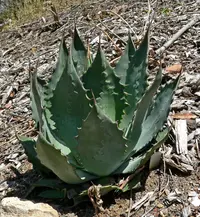
Offset management

Periodically remove offsets with a clean, sharp knife once they have formed several leaves, then allow the cut surfaces to dry 3–5 days before replanting to reduce infection risk and control clump size.

Winter moisture control

In regions with wet winters, create a 5–8 cm gravel mulch and a slight slope away from the plant so rainwater sheds quickly and roots stay dry during dormant months.

Safe handling practices

Use rigid gloves, long sleeves, and eye protection when working around the plant, and approach from the side rather than above to avoid injury from stiff terminal spines and marginal teeth while caring for Agave wocomahi.

Container weight stabilizing

For large container specimens, use a wide, heavy pot or add a base layer of coarse gravel to the bottom of the container to lower the center of gravity and prevent toppling in strong wind.

Common Pests and Diseases

Agave snout weevil

This pest is a beetle whose adults chew into the plant’s base and lay eggs; the larvae then tunnel through the core, causing collapse of the rosette. Symptoms include yellowing, wilting from the center, and a foul smell from rotting tissue near the crown.

Solution

Remove and destroy any heavily affected plants, including the root system, to prevent spread. Inspect nearby agaves regularly, keep the area free of plant debris, and in regions with known weevil activity use a targeted systemic insecticide drench at the base in spring according to label directions.

Agave mite

These insects are microscopic eriophyid mites that live in the tight leaf bases, causing distorted new leaves, rough or corky scars, and sometimes greasy or darkened areas on the leaf surface. Symptoms include stunted growth and irregular, sometimes blistered, patches along leaves or at the crown.

Solution

Isolate and discard severely infested plants since mites are difficult to eradicate once established. For mild cases, remove and dispose of the most deformed leaves, avoid overhead watering, improve air movement, and apply a miticide labeled for eriophyid mites, repeating as directed to catch emerging stages.

Bacterial soft rot

This disease often enters through wounds created by insects or mechanical damage and causes wet, mushy, foul-smelling tissue at the leaf base or crown. Symptoms include rapid collapse of leaves, slimy decay, and sometimes bubbling or oozing liquid from affected areas.

Solution

Cut away all soft, discolored tissue with a sterile knife, allowing cuts to dry fully in a warm, airy location; in mild cases the plant may seal the wound and recover. Avoid injuring the plant, keep the crown dry, remove dead leaves promptly, and discard severely rotted specimens to limit spread.

Anthracnose

This disease is a fungal leaf spot that creates tan to dark brown lesions, often with defined margins, on the blades and tips of agave leaves. Symptoms include spotting that may coalesce into larger dead patches, sometimes with black fungal structures in the center of old spots.

Solution

Prune and discard affected leaves, cutting into healthy tissue and disinfecting tools between cuts. Improve sun exposure and airflow, keep water off the leaves, and in humid climates use a copper-based or other labeled fungicide as a preventive spray during warm, wet periods.

Scale insects

These insects attach to leaves and sometimes the lower stem, appearing as small, hard bumps that suck sap and weaken the plant. Symptoms include yellowing areas around feeding sites, general decline, and sticky honeydew or sooty mold on nearby surfaces in heavier infestations.

Solution

Manually remove visible scale with a cotton swab dipped in isopropyl alcohol or by gently scrubbing with a soft brush and mild soapy water, then rinse well. For persistent infestations, apply a horticultural oil or systemic insecticide labeled for scale, and reduce plant stress by providing strong light and well-drained, dry conditions appropriate for Agave wocomahi care instructions.

Interesting Facts

Sierra Madre endemic

This species is naturally restricted to high-elevation pine–oak woodlands of the Sierra Madre Occidental in northwestern Mexico, particularly in parts of Sonora and Chihuahua.

Rocky slope specialist

Wild populations typically grow on steep, rocky slopes and ridges, anchoring into thin, well-drained soils where many other plants struggle to establish.

Cold-tolerant rosette

Compared with many lowland agaves, this mountain species tolerates relatively cool conditions, reflecting adaptation to its upland habitat.

FAQs about Agave wocomahi

This species grows slowly, usually adding only a few leaves each year once established. In suitable outdoor conditions, it may take many years to reach a substantial rosette size and full visual impact.

Grow Healthy Plants with Botan Care

Keep your plants happy and healthy with plant identification, disease detection, and easy care guidance.

Botan plant care app — identify plants on mobile

Explore More Plants