


Deep pot choice
Use a narrow, deep clay pot so the taproot can develop fully and the plant remains stable as stems elongate and offset over time.

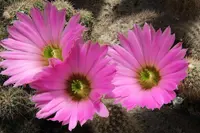
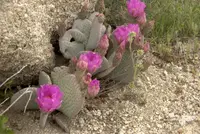
Echinocereus sciurus is a small desert cactus known for its upright, cylindrical stems that form tight clumps over time. The stems are covered with dense, bristly spines that give the plant a shaggy look. In season it produces showy funnel-shaped flowers, often in bright pink or magenta tones, creating a strong contrast with the spines.
This species is native to arid regions of northwestern Mexico, where it grows in rocky, well-drained soils under strong sun. It is generally considered a slow-growing but durable cactus when its need for light, excellent drainage, and infrequent watering is respected. For those learning how to care for Echinocereus sciurus, its main challenge is avoiding excess moisture and poor ventilation, especially in cooler climates or indoor settings.

Care Difficulty
Moderate Care

Light Preference
Full Sun

Water Requirements
Low Water

Temperature Preference
Warm Climate

Hardiness Zone
9–11

Soil Texture
Sandy, Rocky, Loamy

Soil pH
Slightly acidic (6.5–7.0), Neutral (7.0)

Soil Drainage
Well-drained

Fertilization
Minimal (feed rarely)
Scan your plant to receive care tips personalized for your specific plant
Available on iOS and Android
This desert cactus thrives in bright, intense light that mimics its natural habitat.
This species prefers deep, infrequent watering that allows the root zone to dry between soakings.
This cactus prefers warm, dry conditions with a distinct cool, but not freezing, winter rest period.
This cactus prefers dry air and does not need added humidity in typical homes.
Use a very fast-draining, mineral-rich mix that mimics rocky desert ground for this species.
This species is well suited to container culture when planted in a shallow, very free-draining pot.
This cactus needs only light feeding to support healthy growth in containers.
This species requires minimal pruning, mainly for health and safety rather than shaping.
Container-grown plants benefit from infrequent repotting to refresh soil and manage root health.
This cactus is commonly propagated by offsets and seeds under warm, dry conditions.
This species is moderately cold tolerant but performs best with cool, dry winter conditions.

Plant Health Check
Not sure what's wrong with your plant? Check your plant's health inside the app.
The species name sciurus refers to a squirrel, alluding to the plant’s distinctive, somewhat bushy spine clusters that reminded the original describer of a squirrel’s tail compared with other Echinocereus.
This cactus is naturally restricted to the Baja California Peninsula in Mexico, where it grows in arid, rocky habitats and coastal-influenced deserts rather than being widespread across the mainland.
It produces relatively large tubular flowers, usually in shades of pink to magenta, that emerge near the stem tips and are adapted for pollination by diurnal insects in its native dry habitats.
This cactus usually flowers in spring to early summer, once mature. It produces relatively large, tubular blooms in bright shades of pink to magenta, often with contrasting throats, attracting bees and other pollinators in dry climates.
Keep your plants happy and healthy with plant identification, disease detection, and easy care guidance.

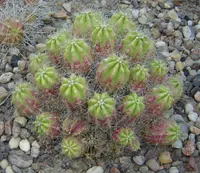
pitaya
Echinocereus enneacanthus
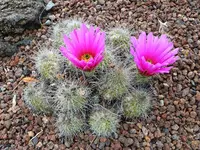
strawberry hedgehog cactus
Echinocereus stramineus
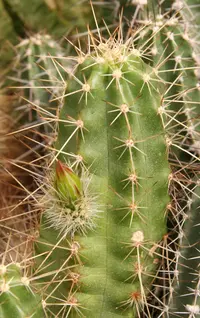
Echinocereus parkeri
Echinocereus parkeri
Gooseberry Plant
Curio herreanus
Hairy Stemmed Rhipsalis
Rhipsalis pilocarpa
Cactus
Echinocereus maritimus
Dwarf Chin Cactus
Gymnocalycium baldianum
beavertail pricklypear
Opuntia basilaris