Seri Sandmat Care (Euphorbia leucophylla)

Seri Sandmat

About Seri Sandmat

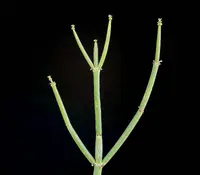
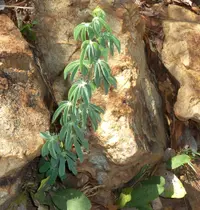
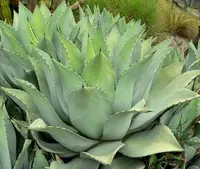
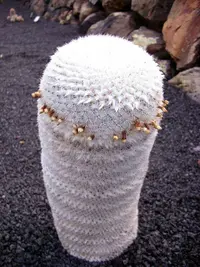
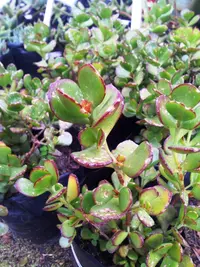
Seri sandmat (Euphorbia leucophylla) is a small, shrubby succulent known for its dense, pale foliage and compact, mounding growth. It typically forms low cushions that suit rock gardens and dry borders.

This species is native to arid, rocky habitats, where it tolerates high light and poor, fast-draining soils. Its drought tolerance and slow growth make it relatively low maintenance once established, although it can be sensitive to overwatering.

Because it prefers bright conditions and lean, gritty soil, it suits gardeners who can provide stable, dry growing spaces. Understanding these natural conditions helps clarify how to care for Seri Sandmat in cultivation.

Main Plant Requirements

Care Difficulty

Moderate Care

Light Preference

Full Sun

Water Requirements

Low Water

Temperature Preference

Tropical / Frost Sensitive

Hardiness Zone

Unknown

Soil Texture

Sandy, Rocky, Loamy

Soil pH

Slightly acidic (6.5–7.0), Neutral (7.0)

Soil Drainage

Well-drained

Fertilization

Minimal (feed rarely)

Get Personalized Care Plan

Scan your plant to receive care tips personalized for your specific plant

Available on iOS and Android

How to Care for the Seri Sandmat

Euphorbia leucophylla prefers bright, open conditions with strong light similar to its native dry habitats.

  • Provide 6–8 hours of direct sun daily, ideally full morning sun with some light afternoon shade in very hot, arid regions.
  • Plant Seri Sandmat in an exposed spot; it tolerates light or dappled shade but stems may stretch and flower production may drop with less than 4–5 hours of sun.
  • In summer heat waves, protect from reflected midday heat off walls or pavement to prevent leaf scorch, especially in shallow or rocky soils.

This species is drought-adapted and needs infrequent, careful watering to avoid root problems.

  • In the ground, water deeply only when the top 5–8 cm of soil are completely dry; in hot, dry periods this might mean every 10–21 days, depending on soil and exposure.
  • Ensure very sharp drainage with sandy or rocky soil; Euphorbia leucophylla is prone to root and stem rot if water sits around the crown or in clay pockets.
  • Watch for shriveling stems or slow recovery after sunset as signs it is too dry, and yellowing, soft, or blackened bases as indicators of overwatering.

This drought-tolerant plant favors warm, dry climates and is sensitive to prolonged cold and frost.

  • Aim for growing temperatures of 70–90°F (21–32°C) during the active season; brief peaks to 95°F (35°C) are tolerated if soil is dry and roots are shaded.
  • Protect from temperatures below 30–32°F (-1–0°C); light frost may burn tips, while hard freezes can kill roots and stems, especially in wet soil.
  • In cooler regions, choose a warm, south-facing microclimate, avoid frost pockets, and keep it on the dry side from late fall through early spring to increase cold tolerance.

This species tolerates dry indoor air well and rarely needs special humidity management.

  • Ideal humidity is around 30–50%, similar to most heated homes.
  • Leaves stay healthy in low humidity; stress is more often from overwatering than dry air.
  • If air is extremely dry and tips shrivel, place the pot away from heating vents rather than increasing humidity aggressively, since excess moisture can promote rot in Seri Sandmat.

This succulent shrub requires very fast-draining, mineral-based soil to prevent root rot.

  • Use a gritty mix such as 60–70% coarse sand, pumice, or perlite blended with 30–40% low-organic cactus substrate.
  • Aim for slightly alkaline to neutral pH, roughly 7.0–8.0, which suits Euphorbia leucophylla in cultivation.
  • Ensure structure stays loose and airy; large, sharp-grained particles improve aeration around the roots.
  • Avoid heavy, compacted, or peat-rich mixes that hold water for many hours after watering.

This species is suitable for container growing when planted in a very free-draining setup.

  • Choose a wider, heavier pot to counterbalance the shrubby, sometimes top-heavy growth and reduce tipping risk outdoors.
  • Select unglazed terracotta if extra evaporation is needed in wet or cool climates, as it dries faster than plastic or glazed pots.
  • Raise the container on feet or bricks so drainage holes never sit in collected water, especially during rainy periods.

This dryland Euphorbia needs only modest feeding; excess nutrients can cause weak, lush growth in Seri Sandmat.

  • Use a low-strength balanced liquid fertilizer (around 10-10-10), diluted to 25–50% of label rate.
  • Feed lightly once in late spring and again mid-summer during active growth, if soil is poor.
  • Avoid fertilizing in fall and winter when growth slows or the plant is semi-dormant.
  • Do not apply fertilizer to drought-stressed plants; water first, then feed on moist soil.

Pruning needs for Euphorbia leucophylla are light and mainly focused on maintaining health and form.

  • Carry out pruning in late winter or early spring before strong new growth starts.
  • Remove dead, damaged, or crossing stems with clean, sharp hand pruners.
  • Thin congested shoots slightly to maintain the natural mound and good air flow.
  • Wear gloves and avoid skin contact with the milky sap when cutting stems.

This species is usually grown in the ground, where it dislikes frequent disturbance, so transplanting should be infrequent and careful.

  • Transplant in late winter or early spring, before strong new growth, to reduce stress.
  • Look for signs such as slow growth, roots circling a pot, or crowding in a small bed section.
  • Move only every several years, lifting with a wide root ball and keeping soil around the roots intact.
  • Replant into sharply drained, gritty soil, water once to settle, then allow the root zone to dry slightly.

Propagation of Euphorbia leucophylla is possible for experienced growers using cuttings or seed under controlled conditions.

  • Take semi-ripe stem cuttings in late spring or early summer, using clean, sharp tools.
  • Allow cut ends to dry and callus for 1–2 days before placing in a gritty, fast-draining mix.
  • Keep cuttings in bright, indirect light at 70–80°F with very light, infrequent watering.
  • Sow seeds in a sandy mix, barely covered, and maintain warm, evenly slightly moist conditions until germination.

This Euphorbia prefers mild, frost-free winters and benefits from simple protection in colder regions.

  • In climates below about 25°F, grow in containers and move under cover for winter.
  • Use a light, dry mulch around the root zone in the ground, keeping material off stems and crown.
  • Ensure soil drains freely; avoid winter waterlogging, which greatly increases rot risk.
  • Provide the brightest possible light indoors to maintain compact growth during cool months.

Care Tips

Handle Sap Safely

Wear gloves and avoid touching your face when cutting or repotting, as the milky latex sap can irritate skin and eyes; rinse exposed skin with plenty of water if contact occurs.

Use Inert Topdressing

Apply a 0.5–1 cm layer of coarse grit or small gravel on the soil surface to keep the crown dry, reduce rot risk, and stabilize the shallow root system in its container.

Rotate For Even Form

Turn the pot 90° every 2–3 weeks during active growth so stems receive more uniform light and develop a balanced, compact mound instead of leaning to one side.

Winter Rest Management

During the plant’s cool, drier rest period, keep it in the brightest possible spot and avoid repotting or heavy disturbance, which can stress the plant when its metabolism is slowed.

Prevent Mealybug Build‑up

Inspect leaf joints and stem bases monthly and promptly treat early mealybug patches with a cotton swab dipped in 70% isopropyl alcohol to avoid larger infestations when caring for Seri Sandmat.

Common Pests and Diseases

Sap-sucking aphids

This pest feeds on tender Euphorbia stems and flower stalks, extracting sap and causing curling, distortion, and sticky honeydew that can attract sooty mold.

Solution

Rinse colonies off with a firm stream of water, then spot-treat remaining insects with insecticidal soap or a light horticultural oil, applied in the early morning and kept off flowers as much as possible. Reduce excess nitrogen fertilization, which encourages soft, aphid-prone growth, and monitor new shoots regularly for early infestations as part of Euphorbia leucophylla care.

Mealybugs

These insects hide in stem joints and along the white leaf surfaces, appearing as small cottony masses and causing yellowing, stunted growth, and weakened plants over time.

Solution

Isolate affected plants, then dab visible insects with cotton swabs dipped in 70% isopropyl alcohol and repeat weekly until no new clusters appear. Improve light and air movement around the plant and, for larger infestations, use a systemic insecticide labeled for ornamental Euphorbia, following label directions carefully.

Spider mites

This pest thrives in hot, very dry conditions, leading to fine webbing between stems, pale stippling on leaves, and an overall dusty or dull appearance of the white foliage.

Solution

Increase humidity around, but not on, the plant canopy by using nearby water trays and regularly hose down stems outdoors to dislodge mites. For persistent problems, apply insecticidal soap or a miticide specifically labeled for spider mites, ensuring thorough coverage of all stem surfaces and repeating according to the product instructions.

Powdery mildew

This disease appears as a fine white to gray powdery coating on stems and leaves, which can dull the plant’s natural coloration and eventually cause yellowing or premature leaf drop.

Solution

Remove and discard heavily affected plant parts and avoid overhead watering that keeps stems damp for long periods. Improve spacing and airflow, and if needed use a sulfur or potassium bicarbonate fungicide labeled for ornamentals, applied in dry, mild weather to avoid phytotoxicity on the succulent tissue.

Stem canker

This disease causes sunken, discolored lesions on the fleshy stems, sometimes cracking or girdling them, which can lead to dieback of affected sections in stressed plants in arid landscapes.

Solution

Cut out diseased stem sections well into healthy tissue with a sterile, sharp blade and discard all infected material. After pruning, keep the plant in dry, bright conditions so wounds heal quickly, avoid mechanical injury to stems, and consider a preventative fungicide drench in sites where canker has previously occurred when you grow Euphorbia leucophylla in the same soil.

Interesting Facts

Native island specialist

This species is endemic to Santa Catalina Island off the coast of California, meaning it occurs naturally there and nowhere else in the world.

Chalky white foliage

The plant has densely white- to gray-coated leaves and stems due to a heavy covering of hairs, which helps reflect intense coastal sunlight and reduce water loss in its dry habitat.

Coastal bluff habitat

It typically grows on rocky coastal bluffs and slopes exposed to ocean wind and salt spray, showing a strong adaptation to harsh, well-drained, and nutrient-poor conditions.

FAQs about Seri Sandmat

All parts contain a milky latex sap that can irritate skin, eyes, and the digestive system. Keep away from children and pets, avoid contact with broken skin, and wash immediately if sap touches you.

Grow Healthy Plants with Botan Care

Keep your plants happy and healthy with plant identification, disease detection, and easy care guidance.

Botan plant care app — identify plants on mobile

Explore More Plants