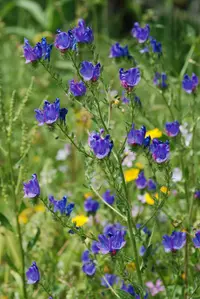
lamb succory Care (Arnoseris minima)

lamb succory

About lamb succory

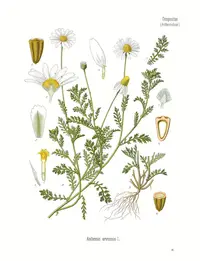
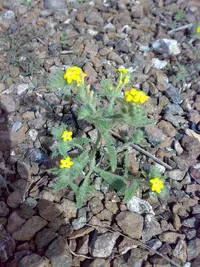
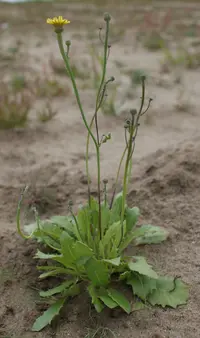
Lamb succory (Arnoseris minima) is a small annual herb in the daisy family, grown mainly as a botanical curiosity or in wildflower plantings. It forms low rosettes of narrow, often slightly hairy leaves, and sends up slender stems topped with small yellow flower heads. Native to parts of Europe and western Asia, it is now scattered in disturbed, open habitats such as fields, sandy soils, and roadsides. This species prefers full sun, lean or sandy soil, and relatively dry, well-drained conditions, which makes how to care for lamb succory fairly straightforward for gardeners who can mimic its natural habitat.

Main Plant Requirements

Care Difficulty

Easy Care

Light Preference

Full Sun

Water Requirements

Moderate Water

Temperature Preference

Cool Climate

Hardiness Zone

5–8

Soil Texture

Sandy, Loamy

Soil pH

Slightly acidic (6.5–7.0), Neutral (7.0)

Soil Drainage

Well-drained

Fertilization

Minimal (feed rarely)

Get Personalized Care Plan

Scan your plant to receive care tips personalized for your specific plant

Available on iOS and Android

How to Care for the lamb succory

This small annual prefers bright, open conditions similar to sunny meadows.

  • Provide 6–8 hours of direct sun daily; morning to early afternoon sun supports compact growth and abundant flowering in lamb succory.
  • Plant in an open site; it tolerates light partial shade (around 3–4 hours sun), but stems may stretch and flowering can decline.
  • In very hot summers, avoid intense, reflected afternoon heat to reduce leaf scorch; in shorter autumn days, accept slower growth and fewer blooms.

This species prefers dry to moderately dry soil and does not tolerate prolonged saturation.

  • Allow the top 3–5 cm of soil to dry fully before watering; in well-drained ground this often means long gaps between rains rather than scheduled irrigation for Arnoseris minima.
  • Use gritty, free-draining soil so water passes through quickly; standing water or heavy clay encourages root rot and weak, floppy plants.
  • In cooler seasons or cloudy weeks, reduce or stop supplemental watering; signs of overwatering include yellowing, limp foliage, while crisp, drooping leaves signal drought stress.

This annual is adapted to temperate climates with cool to warm conditions.

  • Optimal growth occurs around 60–75°F (16–24°C), which supports steady leaf and flower development without excessive stress.
  • Plants tolerate down to about 25–28°F (-4 to -2°C) for short periods, but hard freezes below this can kill them outright, especially seedlings.
  • Heat up to about 85–90°F (29–32°C) is usually tolerated if soil is not waterlogged; in hot spells, drought plus extreme heat can shorten the flowering period.

Humidity is rarely a concern for Arnoseris minima in typical home or outdoor conditions.

Arnoseris minima prefers light, free-draining soil that mimics open, sandy field conditions.

  • Use a sandy or sandy-loam mix with low to moderate organic matter to prevent compaction.
  • Aim for slightly acidic to neutral pH, around 6.0–7.0, which supports balanced nutrient availability.
  • Combine roughly 60% coarse sand, 30% loam or garden soil, and 10% fine compost for structure and nutrients.
  • Avoid heavy clay, waterlogged spots, or thick peat-based mixes that stay wet and reduce root aeration.

This species is suitable for container growing when given a shallow, free-draining setup.

  • Choose a wide, shallow pot to match the relatively shallow root system and prevent unnecessary water retention in deep soil columns.
  • Use a gritty mix and raise the container slightly on feet or bricks so drainage holes never sit in collected runoff.
  • Prefer unglazed terracotta outdoors, as it allows faster moisture loss and helps keep the compact plant from staying overly wet after rain.

This small annual wildflower usually grows well in lean soils and needs only minimal feeding in cultivation.

  • If growth is poor in very sandy soil, use a light application of balanced NPK granular fertilizer at the start of the growing season.
  • Apply at half the manufacturer’s recommended strength to avoid lush, weak growth and lodging.
  • Supplement with a thin layer of fine compost to improve soil structure rather than to push rapid growth.
  • Stop feeding in late summer; no fertilizer is needed outside the active growing period for lamb succory.

Pruning needs for Arnoseris minima are low and mainly relate to tidiness and seed control in garden settings.

  • Best timing is after flowering and seed set, when plants begin to decline naturally.
  • Shear or clip spent flower stalks with clean scissors or hand shears to limit self-seeding if desired.
  • Remove any damaged or diseased foliage promptly to maintain plant health and appearance.
  • Light grooming shapes small drifts and keeps the planting looking neat without affecting overall vigor.

This species is usually grown as an annual in open ground, so transplanting is more relevant than repotting.

  • Transplant seedlings outdoors in spring after frost, when they have 2–3 true leaves and soil is workable.
  • If container-grown, shift to a slightly larger pot only when roots circle the drainage holes or growth stalls.
  • Water the plant well before and after moving, and handle the root ball gently to limit transplant shock.
  • Plant into loose, well-drained soil at the same depth as before, then shade lightly for a few days while it re-establishes.

Arnoseris minima is most commonly propagated from seed, which allows many plants to be raised at low cost.

  • Sow fresh seeds in early spring under cover or directly outdoors once frost risk is low.
  • Use a free-draining, low-nutrient seed mix, covering seeds very lightly because they are small.
  • Maintain even moisture and moderate temperatures around 60–68°F for reliable germination.
  • Thin crowded seedlings to improve airflow and light, leaving the strongest plants to mature.

As an annual that completes its life cycle in one season, this plant generally needs no special winter care.

  • Allow some seed heads to mature and fall if natural self-sowing is desired for next year.
  • In colder regions, collect dry seed and store it cool and dry for controlled sowing in spring.
  • Containers can be emptied and soil refreshed at season’s end, as roots will not overwinter alive.

Care Tips

Thin Seedlings Early

Once seedlings have 2–3 true leaves, thin them to 10–15 cm spacing to improve air movement, reduce fungal issues, and encourage stronger, stockier plants.

Staggered Succession Sowing

Sow small patches every 2–3 weeks in spring and early summer so flowering is spread out, which maintains a neater display and ensures a continuous seed supply for self-sowing.

Encourage Self-Seeding

Leave a portion of spent flower heads on the plant until dry, then gently shake them over bare soil in the same bed so the next generation establishes naturally with minimal intervention.

Use Low Windbreaks

In exposed sites, place short mesh or low edging around the planting area to reduce wind stress on the fine stems and prevent lodging after heavy rain.

Targeted Deadheading Zones

Deadhead plants only in the most visible front sections of the bed while leaving some flowers to set seed at the back, which balances a tidy appearance with practical seed production when growing lamb succory.

Common Pests and Diseases

Powdery mildew

This disease causes a white, powdery coating on leaves and flower stems, often in warm, dry conditions with poor air circulation. Symptoms include reduced vigor and distorted young growth.

Solution

Remove the most affected leaves to reduce spore load, then improve spacing and airflow around plants. Avoid overhead watering, water early in the day, and, if needed, apply a sulfur or potassium bicarbonate fungicide labeled for powdery mildew on annual composites, following label directions.

Downy mildew

This disease produces yellow to pale spots on upper leaf surfaces and a grayish to purplish fuzz on the undersides in cool, moist weather. Symptoms include stunted plants and premature leaf drop in dense stands.

Solution

Thin crowded plants to improve airflow and water at soil level rather than on foliage. Remove and dispose of heavily infected plants, avoid overhead irrigation in late afternoon or evening, and rotate the planting area each year to reduce inoculum in the soil and debris.

Aphids

These insects cluster on tender stems, buds, and leaf undersides, sucking sap and excreting sticky honeydew that can lead to sooty mold. Symptoms include curled leaves, distorted flower stalks, and reduced flowering.

Solution

Dislodge colonies by spraying plants with a firm stream of water and pinch off heavily infested shoot tips. Encourage or introduce natural enemies such as lady beetles, and where pressure is high, use insecticidal soap or a light horticultural oil, making sure to cover leaf undersides and repeating as needed.

Leaf miners

These insects create winding, pale tunnels inside leaves as the larvae feed between leaf surfaces. Symptoms include serpentine trails and thin, blotchy patches that reduce photosynthetic area.

Solution

Remove and destroy leaves showing fresh mines to break the life cycle before larvae pupate. Use lightweight row covers over young plants in areas with a history of leaf miner issues, and consider introducing or conserving parasitoid wasps that naturally control leaf miner populations.

Botrytis blight

This disease appears as gray, fuzzy mold on aging or damaged leaves, flower heads, and stems during prolonged damp, cool periods. Symptoms include water-soaked spots that quickly turn brown and mushy, leading to collapse of affected tissue.

Solution

Promptly remove spent flower heads and damaged plant parts and dispose of them away from the bed. Improve drainage and air circulation, water at the base in the morning, and in persistent wet conditions use a fungicide labeled for Botrytis on ornamental annuals, following all safety and interval instructions.

Interesting Facts

Unusual monotypic genus

Arnoseris minima is the only species in the genus Arnoseris, making it a monotypic genus within the daisy family (Asteraceae). This reflects an isolated evolutionary lineage with no close, currently recognized sister species in the same genus.

Autumn-flowering annual

Unlike many small annual Asteraceae that peak in summer, this species typically flowers relatively late in the season, often from late summer into autumn. This timing helps it avoid direct competition for pollinators with earlier-flowering relatives.

Preference for sandy soils

In its native range in western and central Europe, this plant is strongly associated with dry, nutrient-poor, sandy or gravelly soils. It often appears in disturbed sites such as fallow fields, sandy tracks, and light arable land where few competitors can persist.

FAQs about lamb succory

Lack of flowers often comes from too much shade, overly rich nitrogen fertilizer, or very dry soil during bud formation. Ensure full sun, lean well-drained soil, and avoid heavy feeding to support reliable blooming when growing lamb succory.

Grow Healthy Plants with Botan Care

Keep your plants happy and healthy with plant identification, disease detection, and easy care guidance.

Botan plant care app — identify plants on mobile

Explore More Plants