


Support Tall Spikes
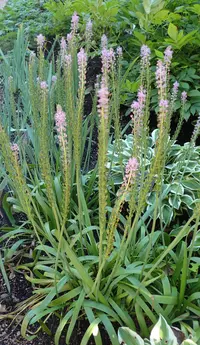
In windy or exposed sites, insert slim bamboo canes on the sheltered side of each clump and loosely tie the flower spikes with soft garden twine so the tall stems do not snap or lean after heavy rain.

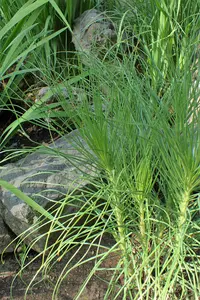
Asphodeline liburnica, commonly called Jacob´s rod, is a clump-forming perennial grown mainly for its narrow blue-green leaves and tall flower spikes. It belongs to the asparagus family and forms dense tufts at the base. In late spring to early summer, upright stems carry many starry yellow flowers that attract bees and other pollinators. Plants develop a strong vertical accent in mixed borders or gravel gardens. Jacob´s rod is native to rocky slopes and dry grasslands in the eastern Mediterranean. It prefers full sun, well-drained soil, and moderate moisture, which makes care for Jacob´s Rod relatively straightforward in suitable conditions.

Care Difficulty
Easy Care

Light Preference
Full Sun

Water Requirements
Low Water

Temperature Preference
Cold Hardy

Hardiness Zone
5–8

Soil Texture
Sandy, Loamy, Rocky

Soil pH
Slightly acidic (6.5–7.0), Slightly alkaline (7.0–7.5)

Soil Drainage
Well-drained

Fertilization
Minimal (feed rarely)
Scan your plant to receive care tips personalized for your specific plant
Available on iOS and Android
This sun-loving perennial thrives in bright, open positions with plenty of direct light.
This species prefers dry to moderately moist soil and is sensitive to standing water.
This hardy perennial copes with a wide outdoor temperature range in temperate climates.
Asphodeline liburnica tolerates a wide humidity range and rarely needs special humidity management outdoors.
This species prefers lean, well-drained mineral soils that never stay waterlogged.
This plant can be grown in containers if drainage is carefully managed and the pot is deep enough for its taproot.
Asphodeline liburnica grows well in lean soils and needs only modest feeding for best flowering.
Asphodeline liburnica benefits from light, timely pruning to maintain vigor and flowering.
This perennial is usually grown in garden beds, so care focuses on transplanting clumps rather than frequent repotting.
Asphodeline liburnica is commonly propagated by seed and by division of mature clumps.
This species is reasonably cold hardy in much of the US and usually needs minimal winter care in the ground.

Plant Health Check
Not sure what's wrong with your plant? Check your plant's health inside the app.
This species is naturally found on dry, rocky limestone slopes and open scrub in the eastern Mediterranean, especially the Balkans and parts of Turkey, showing a strong preference for alkaline, well-drained soils.
The pale yellow star-shaped flowers open progressively along the stems and release a stronger sweet scent in the evening and at night, which is thought to help attract crepuscular and nocturnal pollinators such as moths.
Instead of forming true bulbs, this plant develops a thick, branched taproot with many fibrous side roots, allowing it to store resources and survive summer drought in its native habitats.

In some parts of its native range, this species is among the first tall perennials to flower on sun-exposed slopes in late spring, providing an important early nectar resource for pollinating insects emerging after winter.
The flowers produce nectar and pollen that strongly attract bees, hoverflies, and sometimes butterflies. Planting it in a sunny, open spot helps pollinators find it easily and supports local insect diversity in the garden.
Keep your plants happy and healthy with plant identification, disease detection, and easy care guidance.

 POPULAR
African False Hosta
Drimiopsis maculata
Japanese jacinth
Barnardia japonica
lady’s mantle-leaved pelargonium
Pelargonium alchemilloides
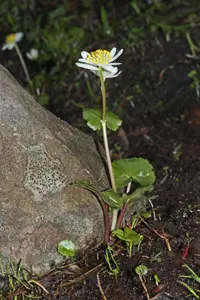
white marsh marigold
Caltha leptosepala
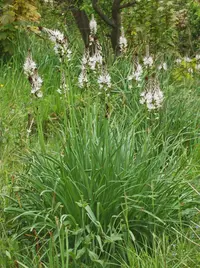
Asphodelus macrocarpus
Asphodelus macrocarpus
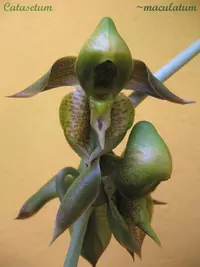
spotted catasetum
Catasetum maculatum
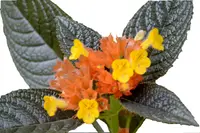
squarestem
Chrysothemis pulchella
Barnardia numidica
Barnardia numidica