


Pinch For Bushiness
Lightly pinch out soft shoot tips in early spring and after each main flush of flowers to encourage a denser, multi-stemmed plant with more flowering sites.

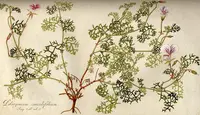
Parsley storksbill, Pelargonium caucalifolium, is a compact, shrubby pelargonium grown mainly for its finely divided, parsley-like foliage and small, delicate flowers. It usually forms a low, branching mound that suits pots, rocky beds, and dry garden spots.
This species is native to the Western Cape region of South Africa, where it grows in sunny, well-drained, often rocky habitats with dry summers. It is considered moderately easy for growers who can provide strong light, sharp drainage, and avoid overwatering.
Because it tolerates some drought and poor soils but dislikes excess moisture, learning how to care for Parsley Storksbill focuses on balancing light exposure with careful watering and airy, fast-draining soil mixes.

Care Difficulty
Moderate Care

Light Preference
Full Sun

Water Requirements
Low Water

Temperature Preference
Tropical / Frost Sensitive

Hardiness Zone
10–11

Soil Texture
Sandy, Loamy, Organic-rich

Soil pH
Slightly acidic (6.5–7.0), Neutral (7.0)

Soil Drainage
Well-drained

Fertilization
Light (every 4–6 weeks)
Scan your plant to receive care tips personalized for your specific plant
Available on iOS and Android
This Mediterranean species prefers bright, direct light for compact growth and abundant flowering.
This drought-tolerant geranium prefers thorough but infrequent watering in sharply drained soil.
This species grows best in mild, dry conditions and dislikes both hard frost and humid heat.
This species prefers relatively dry air and usually does well in 30–50% humidity.
Pelargonium caucalifolium thrives in light, sharply drained, moderately fertile soil.
This species is well suited to container growing when drainage and root space are managed carefully.
Pelargonium caucalifolium benefits from light, balanced feeding during active growth but does not require heavy fertilization.
Pruning Pelargonium caucalifolium keeps plants compact, encourages bushy growth, and supports better flowering.
Pelargonium caucalifolium adapts well to pots or raised beds and only needs repotting when rootbound or growth declines.
Pelargonium caucalifolium is usually propagated from stem cuttings for consistent traits and vigorous plants.
This species is frost sensitive and needs protection in regions with freezing winters, especially in containers.

Plant Health Check
Not sure what's wrong with your plant? Check your plant's health inside the app.
This species is naturally restricted to nutrient-poor sandstone slopes in the Western Cape of South Africa, where it grows in well-drained, often gravelly soils exposed to strong sun and wind.
Its leaves are deeply cut into narrow, parsley-like segments, a trait that reduces wind resistance and water loss in its dry, open habitat and gives rise to the common name parsley storksbill.
In its native Mediterranean-type climate, it flushes into active growth and flowering during the cooler, wetter months and slows markedly or can become semi-dormant in the hot, dry season.

This species has a very limited natural distribution in the Fynbos biome of South Africa, and some wild populations are considered locally uncommon, making accurate Pelargonium caucalifolium plant care important for conservation-focused collections in cultivation.
This species can adapt to bright indoor conditions if given good air circulation and allowed to dry slightly between waterings. For successful Parsley Storksbill indoor care, use a very free‑draining potting mix and avoid heavy, dark corners.
Keep your plants happy and healthy with plant identification, disease detection, and easy care guidance.

Chain plant
Callisia navicularis
Kalanchoe × houghtonii
Kalanchoe × houghtonii
Tillandsia streptocarpa
Tillandsia streptocarpa
Dracaena masoniana
Dracaena masoniana
woodyfruit evening primrose
Oenothera xylocarpa
Moss Rose
Portulaca grandiflora
Horseshoe geranium
Pelargonium zonale
Hypoestes triflora
Hypoestes triflora