Shear After Flowering
Cut back spent flower stems and the top 3–5 cm of foliage in late summer to trigger a denser second flush of growth and extend the ornamental season.

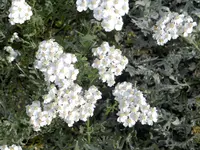
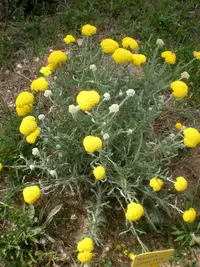
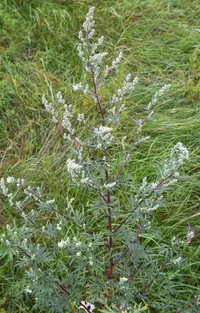
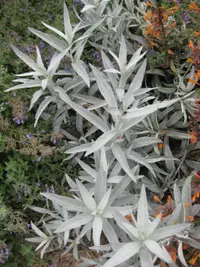
Silvery yarrow (Achillea clavennae) is a compact, herbaceous perennial known for its silvery, finely divided foliage and small, white flower clusters. It forms low, dense mats that suit rock gardens and sunny borders.
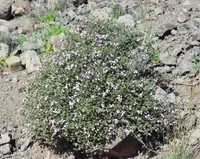
This species is native to rocky mountain slopes in central and southern Europe, where it experiences strong sun, wind, and well-drained, poor soils. Its alpine origin makes it naturally drought-tolerant and relatively low-maintenance.
The plant prefers full sun, lean mineral soil, and good drainage, and it does not cope well with heavy, waterlogged ground. These traits make it easy to care for Silvery Yarrow in dry, open sites with minimal irrigation.

Care Difficulty
Easy Care

Light Preference
Full Sun

Water Requirements
Low Water

Temperature Preference
Cold Hardy

Hardiness Zone
4–8

Soil Texture
Sandy, Loamy, Rocky

Soil pH
Slightly acidic (6.5–7.0), Slightly alkaline (7.0–7.5)

Soil Drainage
Well-drained

Fertilization
Minimal (feed rarely)
Scan your plant to receive care tips personalized for your specific plant
Available on iOS and Android
This alpine yarrow prefers strong sun to form dense, silvery foliage and abundant blooms.
This species is strongly drought-tolerant and prefers infrequent, deep watering once established.
This hardy alpine perennial tolerates a wide temperature range, from cold winters to warm, dry summers.
This species tolerates a wide humidity range and rarely needs special humidity management.
Achillea clavennae prefers lean, mineral, sharply drained soil that never stays soggy.
This species can be grown in containers if the potting setup stays very free-draining and relatively dry.
Achillea clavennae thrives in lean, well-drained soil and needs only light feeding in cultivation.
Pruning Achillea clavennae supports compact growth and sustained flowering.
This species is usually grown in open ground, with transplanting focused on maintaining vigorous clumps.
Achillea clavennae is commonly propagated by division, stem cuttings, and seeds.
This yarrow is generally cold hardy and needs little winter care in most temperate climates.

Plant Health Check
Not sure what's wrong with your plant? Check your plant's health inside the app.
This species is naturally restricted to calcareous alpine habitats, typically growing on sunny limestone screes and rocky slopes in the eastern Alps and parts of the Dinaric Mountains.
Its leaves are densely covered with fine, silky hairs that create a silver-gray appearance and reduce water loss, an adaptation to strong sun and wind in high-elevation environments.
The flat, white flower clusters open relatively early in the alpine growing season and provide accessible nectar and pollen to a range of short-tongued pollinators such as hoverflies and small solitary bees.

The species was formally described by the Swedish botanist Carl Linnaeus, and its specific epithet clavennae commemorates the Italian physician and botanist N. Clavenna, reflecting the long history of botanical exploration in the Alpine region.
Poor flowering usually comes from too much fertility, excessive shade, or old, woody clumps. Avoid high-nitrogen fertilizer, ensure plenty of direct sun, and divide congested plants every few years to refresh growth and restore blooms.
Keep your plants happy and healthy with plant identification, disease detection, and easy care guidance.