aromatic aster Care (Symphyotrichum oblongifolium)

Also known as: oblong-leaved aster, Fall Aster, Oblong-leaf Aster
aromatic aster

About aromatic aster

Aromatic aster (Symphyotrichum oblongifolium) is a compact, clump-forming perennial from North American prairies and open rocky slopes. It is valued for its late-season flowering and strong, resinous fragrance from foliage and stems.

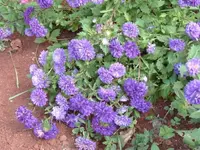
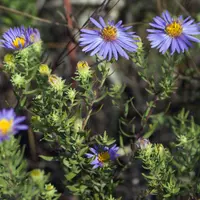
Plants typically form low mounds with many branching stems covered in small, narrow leaves. In fall, they produce masses of violet to lavender daisies with yellow centers that attract bees and butterflies.

This species is adapted to sunny, dry, and often poor soils, which makes it relatively low-maintenance once established. Its drought tolerance and cold hardiness simplify how to care for aromatic aster in typical garden settings.

Main Plant Requirements

Care Difficulty

Easy Care

Light Preference

Full Sun

Water Requirements

Low Water

Temperature Preference

Cold Hardy

Hardiness Zone

3–8

Soil Texture

Sandy, Loamy, Rocky

Soil pH

Acidic (5.5–6.5), Slightly acidic (6.5–7.0)

Soil Drainage

Well-drained

Fertilization

Minimal (feed rarely)

Get Personalized Care Plan

Scan your plant to receive care tips personalized for your specific plant

Available on iOS and Android

How to Care for the aromatic aster

This sun-loving perennial flowers best with strong light exposure through the growing season.

  • Provide 6–8 hours of direct sun daily; morning sun with light afternoon shade is ideal in hot summer regions for aromatic aster.
  • Tolerates light or open shade, but stems may stretch and bloom count drops if it receives less than 4–5 hours of direct sun.
  • Avoid deep shade and dense tree cover, which cause weak growth; in cooler climates, full sun all day supports dense foliage and abundant fall flowering.

This species prefers moderately dry conditions once established, with careful attention to soil drainage.

  • Water when the top 3–5 cm of soil feels dry, using a deep soak that reaches the full root zone rather than frequent light sprinkling.
  • In the first growing season, monitor closely after planting; reduce frequency once Symphyotrichum oblongifolium shows vigorous new growth and roots have spread.
  • Ensure soil drains quickly; yellowing, limp foliage and soft stems suggest overwatering, while crispy leaf edges and wilting that persists after evening indicate underwatering.

This hardy perennial tolerates a wide temperature range across much of North America.

  • Optimal growth occurs around 65–80°F (18–27°C) during spring and summer, supporting strong stems and bud development.
  • Established plants survive winter cold well below 0°F (-18°C) in the ground, with top growth dying back and roots remaining viable under mulch or snow.
  • Tolerates summer heat up to about 90–95°F (32–35°C) if soil is not waterlogged; prolonged extreme heat with drought can shorten bloom time and stress foliage.

This species is adapted to outdoor conditions and does not have special humidity requirements.

This species prefers well-drained, moderately fertile soil with a slightly lean structure.

  • Use a sandy or sandy-loam soil with some fine gravel to ensure fast drainage and prevent root rot.
  • Incorporate 10–20% compost for moderate fertility, but avoid very rich, heavy mixes that encourage floppy growth.
  • Aim for slightly acidic to neutral pH around 6.0–7.0, which suits most garden and container mixes.
  • For Symphyotrichum oblongifolium in pots, combine standard potting mix with coarse sand or perlite to improve aeration and limit waterlogging.

This species is suitable for sunny outdoor containers if given enough root space and sharp drainage.

  • Choose a broad, heavy container to stabilize the woody, spreading clump against wind and late-season top growth.
  • Use a deeper pot than a typical annual planter so the root system can anchor and resist drought stress between waterings.
  • Select a slightly porous material, such as unglazed clay, to prevent water buildup and keep the root zone from staying saturated.

This drought-tolerant native needs only modest feeding for good growth and flowering.

  • Use a light top-dressing of compost or well-rotted manure in early spring to support new growth.
  • Where additional feeding is needed, apply a balanced slow-release fertilizer (around 10-10-10) once in spring.
  • Dilute any liquid fertilizer to 1/2 strength to avoid soft, floppy growth and excess foliage.
  • Stop feeding aromatic aster in late summer; do not fertilize during fall and winter dormancy.

Thoughtful pruning keeps Symphyotrichum oblongifolium compact and floriferous.

  • In late winter or very early spring, cut back previous year’s stems to just above ground level.
  • Pinch soft tips once in late spring or early summer to encourage bushier growth and more flower stems.
  • Remove dead, damaged, or crossing stems during the season using clean, sharp hand pruners.
  • Deadhead spent blooms if tidier appearance or reduced self-seeding is desired.

This species is usually grown in garden beds, so care focuses on dividing and transplanting clumps rather than frequent repotting.

  • Transplant or divide mature clumps every 3–4 years in early spring or just after flowering in fall.
  • Signs it needs moving or division include crowded stems, weaker flowering, or a bare, woody center.
  • Lift the clump carefully, tease or cut apart sections with healthy roots, and replant at the same depth.
  • Water thoroughly after transplanting and keep soil evenly moist for 1–2 weeks to reduce root stress.

Symphyotrichum oblongifolium is commonly propagated by division, cuttings, or seeds.

  • Divide established clumps in early spring or fall, replanting vigorous outer sections immediately.
  • Take 7–10 cm softwood stem cuttings in late spring, using a free-draining mix and gentle bottom warmth if available.
  • Maintain bright, indirect light and consistently slightly moist medium until cuttings root.
  • Sow seeds on the surface of a well-drained seed mix; a brief cold period improves germination.

This aster is cold hardy in much of the US and usually requires minimal winter care in the ground.

  • Tolerates typical frosts once established, dying back naturally to the crown.
  • After hard frost, cut stems to a few cm above soil if tidy appearance is preferred, or leave for wildlife habitat.
  • Apply a 5–8 cm mulch layer around the root zone in colder regions, keeping mulch slightly away from the stems.
  • For containers in cold climates, move pots to a sheltered, unheated but frost-moderated spot to protect roots.

Care Tips

Early-season pinching

Pinch back the soft tips once or twice in late spring, removing 2–5 cm, to create a denser mound that is less likely to flop in autumn.

Targeted staking support

In windy or exposed sites, insert low ring supports or short peony hoops around clumps by early summer so stems grow through and are discreetly held upright when in full bloom.

Strategic division timing

Divide crowded or woody clumps every 3–4 years in early spring just as new shoots emerge, replanting only the vigorous outer sections to maintain flowering quality and plant vigor.

Powdery mildew prevention

Space plants to allow good air flow and water at soil level in the morning, not overhead, to limit powdery mildew on dense foliage late in the season.

Seasonal wildlife value

Leave stems and seedheads standing through winter to provide food and shelter for insects and birds, then cut back the dry growth in late winter before new shoots appear when caring for aromatic aster.

Common Pests and Diseases

Aster yellows

This disease causes yellowing, stunted, bushy growth and deformed, greenish flowers that fail to develop normal color. Symptoms include distorted stems and a general decline in vigor over time.

Solution

Remove and destroy symptomatic plants as soon as they are noticed, since the pathogen lives systemically in the plant and cannot be cured. Control leafhoppers, which spread the disease, by using row covers where practical, avoiding nearby weedy hosts, and encouraging predators with diverse plantings rather than relying on broad-spectrum insecticides.

Powdery mildew

This disease shows up as a white to gray powdery coating on leaves and stems, often late in the season when nights are cool and humidity is higher. Symptoms include reduced vigor and premature leaf drop in severe cases.

Solution

Increase air circulation by thinning crowded stems and avoiding overhead watering, especially late in the day. If the plant has a history of severe infection, start preventive treatments with a sulfur, potassium bicarbonate, or horticultural oil product labeled for powdery mildew at the first sign of white patches.

Leaf spot

This disease causes small brown, tan, or purplish spots on leaves that may merge into larger blotches, often starting on lower foliage. Symptoms include yellowing and early leaf drop in wet, humid periods.

Solution

Remove and discard heavily spotted leaves and plant debris to reduce fungal spores, and water at the base of the plant rather than from above. If leaf spot recurs yearly, apply a copper or chlorothalonil-based fungicide at label rates just as new foliage emerges and during extended wet weather.

Aphids

These insects cluster on tender stems and flower buds, sucking sap and causing curling or distortion of new growth. This pest also excretes sticky honeydew that can lead to sooty mold on leaves and stems.

Solution

Dislodge colonies with a strong stream of water in the morning and pinch off heavily infested shoot tips. Encourage lady beetles and lacewings, and if populations remain high, use insecticidal soap or a light horticultural oil, coating the undersides of leaves and repeating as needed.

Leafhoppers

These insects are small, wedge-shaped, and very mobile, feeding on leaf undersides and causing pale stippling or a bleached appearance. This pest is a key vector of aster yellows, so even light feeding can create disease risk.

Solution

Reduce grassy and weedy vegetation near plantings that can harbor leafhoppers, and use floating row covers on young plants if feasible. If monitoring shows high numbers and aster yellows is common in the area, targeted use of insecticidal soap or pyrethrin products labeled for leafhoppers can help break the transmission cycle when applied to leaf undersides in the evening.

Interesting Facts

Late-season nectar magnet

This species flowers very late in the year, often into October and November in much of its range, providing one of the last substantial nectar and pollen sources for native bees, wasps, and migrating butterflies.

Fragrant foliage chemistry

The leaves release a noticeable aromatic scent when crushed due to volatile organic compounds, which are thought to help deter some herbivores and may reduce fungal growth on damaged tissue.

Naturally compact growth

Compared with many other North American asters, this species stays relatively low and mounded, often forming dense, shrubby clumps that help stabilize soil and outcompete many weedy species.

Botan icon

Did you know?

Symphyotrichum oblongifolium is one of the few North American asters that reliably retains strong purple to violet flower color even in poor, dry soils, which has made it a preferred parent in breeding programs aimed at extending vivid fall color in cold-hardy ornamental cultivars.

FAQs about aromatic aster

This species is a herbaceous perennial. The top growth dies back in winter, but the root system survives and sends up new shoots each spring, forming longer-lived clumps when conditions suit it.

Grow Healthy Plants with Botan Care

Keep your plants happy and healthy with plant identification, disease detection, and easy care guidance.

Botan plant care app — identify plants on mobile

Explore More Plants