

Edge Containment
Install a shallow, 5–8 cm deep plastic or metal edging around beds to keep stems from rooting into lawns or paths and to control its creeping spread without constant cutting back.

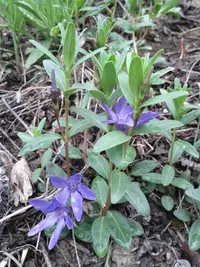
Herbaceous periwinkle, Vinca herbacea, is a low-growing perennial groundcover with trailing stems and glossy green leaves. It forms dense mats that suppress weeds and stabilize soil. In spring to early summer, it carries small funnel-shaped flowers, usually in lilac to pale purple tones, above the foliage. The plant dies back in colder climates and resprouts from the base in spring. Vinca herbacea occurs naturally in dry, sunny slopes and open woodlands in parts of eastern and southeastern Europe. It generally prefers well-drained, moderately fertile soil and tolerates short dry periods once established. These traits make it relatively straightforward to care for herbaceous periwinkle in suitable outdoor conditions.

Care Difficulty
Easy Care

Light Preference
Full Sun

Water Requirements
Moderate Water

Temperature Preference
Cold Hardy

Hardiness Zone
4–8

Soil Texture
Sandy, Loamy, Rocky

Soil pH
Slightly acidic (6.5–7.0), Slightly alkaline (7.0–7.5)

Soil Drainage
Well-drained

Fertilization
Minimal (feed rarely)
Scan your plant to receive care tips personalized for your specific plant
Available on iOS and Android
This trailing perennial prefers bright conditions and handles open sites well when established.
This species prefers moderately moist, free-draining soil and dislikes long periods of saturation.
This groundcover is cold-hardy yet grows best in mild to warm conditions.
This species tolerates a wide humidity range and usually does not need special air moisture adjustments indoors or outdoors.
Vinca herbacea prefers mineral, free-draining soil that does not stay wet after rainfall or watering.
This species can grow reliably in containers if the setup prevents prolonged root wetness.
Vinca herbacea needs only modest feeding in average garden soil to maintain steady growth and flowering.
Pruning supports dense mats and continuous flowering in Vinca herbacea without demanding intensive work.
This groundcover is usually grown in beds, so focus on careful transplanting rather than frequent repotting.
New plants are commonly produced from divisions and stem cuttings, which root reliably under basic care.
This species is fairly cold hardy and often remains evergreen, so winter care is usually minimal in temperate climates.

Plant Health Check
Not sure what's wrong with your plant? Check your plant's health inside the app.
This herbaceous periwinkle is naturally found along dry steppe and forest-steppe margins in Eastern Europe and Western Asia, where it forms low, mat-like colonies on sunny, well-drained slopes.
Its violet to purple flowers open in late spring to early summer and provide an important nectar resource for early-flying bees and other pollinating insects in its native range.
Unlike the more familiar evergreen periwinkles, this species is truly herbaceous, dying back to underground parts in winter and resprouting in spring, which gives it better cold tolerance in continental climates.
This species spreads by creeping stems and can form dense ground-covering mats over time, especially in lighter soils. It is not usually as aggressive as Vinca major, but edging or root barriers help keep it contained.
Keep your plants happy and healthy with plant identification, disease detection, and easy care guidance.

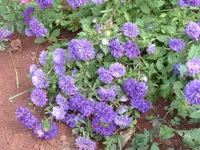
China aster
Callistephus chinensis
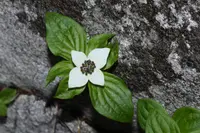
western cordilleran bunchberry
Cornus unalaschkensis
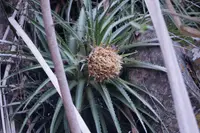
calilla
Ochagavia litoralis
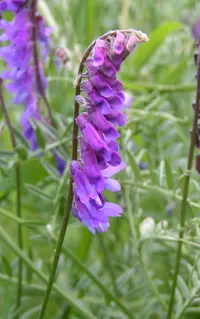
bird vetch
Vicia cracca
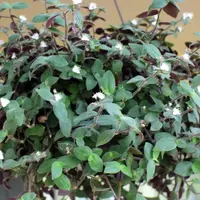
Speedy Jenny
Tradescantia chrysophylla 'Baby Bunny Bellies'

Washington DC Dewberry
Rubus flagellaris
Silvery Yarrow
Achillea clavennae
garden bougainvillea
Bougainvillea × buttiana