Neoregelia concentrica Care

Neoregelia concentrica

About Neoregelia concentrica

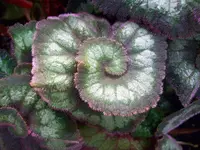
Neoregelia concentrica is a tropical bromeliad that forms a compact rosette of stiff, arching leaves with bold banding and a colored central cup. The foliage often shows striking concentric patterns, which give the species its name.

This species is native to the Atlantic Forest of Brazil, where it typically grows as an epiphyte on trees, collecting water in its central tank. It is considered moderately easy to grow when its basic needs are met.

Good air circulation, stable warmth, and bright, filtered light are important to care for Neoregelia concentrica, along with a free-draining, airy substrate that dries slightly between waterings.

Main Plant Requirements

Care Difficulty

Moderate Care

Light Preference

Partial Shade

Water Requirements

Moderate Water

Temperature Preference

Tropical / Frost Sensitive

Hardiness Zone

10–12

Soil Texture

Sandy, Loamy, Organic-rich

Soil pH

Acidic (5.5–6.5), Slightly acidic (6.5–7.0)

Soil Drainage

Well-drained

Fertilization

Light (every 4–6 weeks)

Get Personalized Care Plan

Scan your plant to receive care tips personalized for your specific plant

Available on iOS and Android

How to Care for the Neoregelia concentrica

This bromeliad prefers bright, indirect light to color well without leaf burn.

  • Provide 4–6 hours of bright, filtered light daily, such as light under a sheer curtain or dappled shade under taller plants.
  • Allow gentle morning sun but protect Neoregelia concentrica from strong midday or afternoon sun, which can bleach or scorch the leaves.
  • In darker seasons or shaded sites, move the plant to a brighter spot; pale, elongated growth signals too little light, while brown patches indicate excess sun.

Watering focuses on both the central cup and the potting mix without leaving the plant soggy.

  • Keep the central cup 1/2–3/4 full with fresh water and flush it weekly to prevent stagnation and mineral buildup.
  • Let the top 2–3 cm of mix dry before watering the roots again; use a fast-draining barky or chunky mix so excess water runs through quickly.
  • In cooler months reduce watering frequency; limp, curling leaves suggest underwatering, while a sour smell, black leaf bases, or wobbling at the crown suggest overwatering and rot risk.

Stable warm temperatures support healthy growth and leaf color in this bromeliad.

  • Aim for 65–80°F (18–27°C) for active growth, with the warmer end encouraging faster development and stronger coloring.
  • Protect Neoregelia concentrica from cold below 50°F (10°C); brief dips to 45°F (7°C) may be tolerated but frost damages foliage and can kill the plant.
  • In hot periods above 86°F (30°C), increase shade and airflow; avoid placing it near heat-reflecting walls or surfaces that can overheat the rosette.

This species prefers moderately humid air but usually adapts to typical home conditions.

  • Aim for 50–70% humidity to keep leaf color and tank function stable.
  • Tolerates short spells of 30–40% air humidity, but leaf tips may brown and color may fade.
  • Increase humidity with a nearby pebble tray or grouped plants rather than misting into the rosette.

Neoregelia concentrica grows best in a very airy, bark-based mix similar to an epiphytic orchid medium.

  • Use a loose mix of fine orchid bark, coarse perlite or pumice, and a small amount of peat or coco coir for moisture retention.
  • Ensure extremely sharp drainage so water flows through quickly and does not pool around the roots or central cup.
  • Keep pH slightly acidic to neutral, around 5.5–7.0, which supports nutrient availability and healthy root function.
  • Avoid heavy, compacted, or clay-rich soils that stay wet and exclude air from the shallow root system.

This bromeliad is well suited to container growing for patios, bright interiors, or sheltered outdoor spots.

  • Choose a squat, wider pot rather than a deep one so the shallow roots anchor the rosette securely.
  • Use a heavy or weighted container if the rosette is large, as the plant can become top-heavy and tip in wind.
  • Select nonporous pots if you live in a hot, dry climate to slow mix drying and maintain a more stable moisture level.

This bromeliad benefits from light feeding but is sensitive to excess nutrients.

  • Use a balanced liquid fertilizer (around 10-10-10) diluted to 1/4–1/2 strength, applied to the tank or soil, not the leaves.
  • Feed Neoregelia concentrica every 4–6 weeks during spring and summer while growth is active.
  • Skip or greatly reduce feeding in fall and winter when growth slows.
  • Avoid heavy compost or strong slow-release pellets, which can burn roots and distort foliage color.

Neoregelia concentrica needs only light, selective pruning to stay tidy and healthy.

  • Best timing is after the central rosette finishes flowering and starts to decline.
  • Remove dead, damaged, or collapsing leaves with clean, sharp scissors or pruners, cutting close to the base.
  • Trim crowded or shading leaves to open the rosette and improve air flow while keeping the natural shape.
  • Cut off completely spent mother plants once pups are well developed, which directs energy into the offsets.

This bromeliad prefers snug containers and infrequent repotting.

  • Repot only when roots circle the pot, the plant becomes unstable, or growth noticeably slows in good light and water conditions.
  • Plan repotting for spring or early summer, about every 3–4 years, often when pups are ready to separate.
  • Use a shallow, wide pot with a very free-draining mix, such as orchid bark, coarse perlite, and a small amount of peat or coco coir.
  • Handle roots gently, keep the central cup upright, then water lightly and maintain high humidity for 1–2 weeks to reduce stress.

New plants are most reliably produced from offsets rather than from seed.

  • Allow pups to reach about 1/3–1/2 the size of the mother rosette before removal.
  • Best season for division is spring to early summer, when temperatures and light support active growth.
  • Cut pups away with a sterilized knife, keeping some roots attached, and plant them in a very well-drained bromeliad mix.
  • Provide bright, indirect light, warm temperatures (65–80°F), and slightly moist substrate until roots establish and growth resumes.

This tropical species is not frost hardy and needs protection in cool climates.

  • Maintain temperatures above 50°F; bring container-grown plants indoors before the first frost.
  • Place in bright, indirect light indoors and reduce watering so the cup and mix do not stay constantly wet.
  • Avoid cold drafts and sudden temperature swings that can damage foliage or cause rot.
  • In mild climates, grow Neoregelia concentrica in sheltered spots and use light mulch only around the pot, not in the rosette.

Care Tips

Maintain central cup

Keep the rosette’s central cup 1/4–1/2 full of clean, low-mineral water and flush it every 2–4 weeks to prevent salt buildup and mosquito larvae.

Offset management

Once pups reach about 1/3–1/2 the size of the mother, cut them off with a sterile knife at the base and pot them individually to maintain a compact, colorful display.

Light-conditioning color

Gradually increase light over 2–3 weeks in late spring to intensify leaf coloration without causing sunburn, then hold that level steady through the bright season.

Secure mounting

When mounting on wood or cork, tie the base firmly with soft ties and pack a small amount of sphagnum moss around the roots so the plant stays stable until new roots grip the surface.

Indoor air movement

Provide gentle, indirect airflow with a small fan on low to reduce fungal issues in the leaf axils and support healthy gas exchange when caring for Neoregelia concentrica indoors.

Common Pests and Diseases

Tank scale

This pest often settles in the central water-holding cup and leaf bases, feeding on sap and weakening the rosette. Symptoms include brown, oval, or limpet-like bumps and sticky honeydew around the tank area.

Solution

Flush the cup thoroughly with clean, lukewarm water, then wipe visible insects from leaves and leaf axils with a cotton pad dipped in 70% isopropyl alcohol. For persistent infestations, use a systemic insecticide labeled for ornamental bromeliads and repeat treatment after 7–10 days while keeping the tank water fresh and not overfilled.

Mealybugs

These insects hide deep in leaf axils and around the base of the rosette, where they suck sap and cause yellowing, distortion, and sticky patches. This pest often appears as small white cottony clusters in sheltered parts of the plant.

Solution

Remove heavily infested leaves if practical, then swab visible mealybugs with cotton dipped in 70% isopropyl alcohol, paying special attention to tight leaf bases. Improve air movement around the plant and, if needed, apply a horticultural oil or insecticidal soap, repeating every 7–10 days until no new insects appear.

Leaf spot fungi

This disease produces small water-soaked lesions that turn tan to dark brown, sometimes with a yellow halo, especially on older or shaded leaves. Symptoms include spots that may merge and cause sections of the leaf to die back, often starting near areas where water stands for long periods.

Solution

Remove and discard affected leaves and avoid wetting the foliage late in the day while still maintaining some water in the central tank. Increase air circulation, keep the rosette free of old debris, and, for severe or spreading cases, use a broad-spectrum fungicide labeled for ornamental foliage plants according to the manufacturer’s instructions.

Phytophthora crown rot

This disease starts at the crown or lower leaf bases, turning tissue soft, water-soaked, and brown, often with a sour smell. Symptoms include rapid collapse of the central rosette, especially when the tank water is stagnant and the medium stays constantly wet.

Solution

Discard severely affected plants, as recovery is rare once the crown is rotting. To prevent new cases, grow Neoregelia concentrica in a very free-draining bromeliad mix, avoid letting the potting medium stay saturated, refresh tank water regularly, and consider a preventive drench with a phosphonate fungicide if this problem has occurred before.

Bromeliad snails and slugs

These pests shelter in and around the rosette, feeding at night and leaving irregular holes and ragged edges on leaves. Symptoms include slime trails, chewed leaf tips, and damage concentrated near the base and hidden inner leaves.

Solution

Hand-pick snails and slugs in the evening, check inside the tank and between leaf bases, and remove any hiding debris around the pot. If pressure is high, use iron phosphate-based slug pellets placed around but not inside the rosette, and keep the area around the plant clean and dry to reduce hiding spots.

Interesting Facts

Water-holding tank rosette

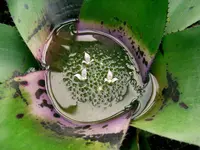
This species forms a tight, funnel-shaped rosette that traps rainwater in its central tank, creating a miniature aquatic habitat for insects, larvae, and microorganisms in Atlantic Forest ecosystems.

Distinctive concentric banding

The plant is named for the concentric bands on its leaves, which appear as mottled, irregular rings of darker green to purplish coloration that are more pronounced in higher light.

Temporary central coloration

As the plant approaches flowering, the central leaves often flush red or purple, a short-lived color change that helps attract pollinators to the otherwise inconspicuous flower cluster hidden in the water-filled cup.

Botan icon

Did you know?

In its native Brazilian Atlantic Forest, this bromeliad frequently grows as an epiphyte high in tree canopies, where its water-filled leaf tanks act as tiny reservoirs that contribute to local water storage and provide breeding sites for frogs and invertebrates, making it an important microhabitat species.

FAQs about Neoregelia concentrica

This bromeliad usually flowers only once when mature, then produces pups. Lack of bloom is often due to immaturity, insufficient light, or stress from cold, repotting, or fertilizer high in nitrogen. Patience is often required.

Grow Healthy Plants with Botan Care

Keep your plants happy and healthy with plant identification, disease detection, and easy care guidance.

Botan plant care app — identify plants on mobile

Explore More Plants