Drymonia serrulata Care

Drymonia serrulata

About Drymonia serrulata

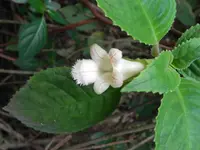
Drymonia serrulata is a small tropical shrub in the Gesneriaceae family, related to African violets. It is usually grown as an epiphyte or in loose, airy potting mixes. The plant has glossy, serrated leaves and tubular flowers that can add subtle color to shaded indoor spaces.

In nature, it occurs in humid forests of Central and South America, where it grows in filtered light and high ambient moisture. Its preference for stable warmth, humidity, and gentle light makes it moderately challenging for beginners, but manageable indoors with consistent conditions. Understanding how to care for Drymonia serrulata starts with providing a sheltered, evenly moist environment.

Main Plant Requirements

Care Difficulty

Moderate Care

Light Preference

Bright Indirect Light

Water Requirements

Keep Soil Moist

Temperature Preference

Tropical / Frost Sensitive

Hardiness Zone

11–13

Soil Texture

Loamy, Peaty, Organic-rich

Soil pH

Acidic (5.5–6.5)

Soil Drainage

Moist but well-drained

Fertilization

Light (every 4–6 weeks)

Get Personalized Care Plan

Scan your plant to receive care tips personalized for your specific plant

Available on iOS and Android

How to Care for the Drymonia serrulata

This understory shrub prefers gentle, filtered light that mimics bright forest shade.

  • Provide bright, indirect light or dappled shade for 8–12 hours daily; morning sun filtered through sheer curtains or light canopy is suitable, but avoid direct midday sun.
  • Outdoors, place Drymonia serrulata in bright shade under trees or on an east-facing porch, protected from harsh afternoon sun that can scorch leaves and fade variegation.
  • In darker seasons or north-facing exposures, move the plant slightly closer to a bright window or lighter spot, monitoring for leggy, pale growth as a sign of insufficient light.

This plant prefers evenly moist, airy substrate without staying waterlogged.

  • Water when the top 2–3 cm of substrate feels dry, allowing moisture deeper down to remain slightly damp while avoiding soggy conditions.
  • Use a loose, well-draining mix and empty saucers or cachepots after 10–15 minutes to prevent root rot, yellowing leaves, and a sour smell from chronic overwatering.
  • In cooler, lower-light seasons, expect slower drying; delay watering a bit longer, watching for slight leaf droop or lighter pot weight as a guide rather than fixed schedules.

Stable, warm conditions are important for steady growth and flowering.

  • Aim for 65–80°F (18–27°C) for active growth; brief dips to 60°F (16°C) are usually tolerated but can slow development.
  • Avoid temperatures below 55°F (13°C), as foliage may suffer cold damage and the plant has no frost tolerance; protect from cold drafts and sudden night drops.
  • In hotter periods above 85°F (29°C), increase air movement and shade from direct sun to limit stress, leaf edge browning, and excessive transpiration.

This species benefits from consistently high humidity to keep foliage healthy and flowering regular.

  • Aim for 60–80% humidity; growth slows and leaf edges brown below about 50%.
  • Tolerates short dry spells but prolonged dry indoor air causes curled, crispy margins and dull leaves.
  • Increase humidity with a nearby humidifier, grouped plants, or a pebble tray, but keep leaves dry to limit fungal issues.

Drymonia serrulata prefers a loose, organic, and well‑aerated mix that drains quickly yet holds some moisture.

  • Use a mix such as 40% peat or coco coir, 30% fine bark, 20% perlite, and 10% compost for structure and nutrients.
  • Ensure fast drainage; water should run through freely and the surface should not stay soggy longer than 1–2 days.
  • Maintain slightly acidic to neutral pH around 5.8–7.0, which supports nutrient availability and root health.
  • Avoid dense garden soil or mixes high in fine sand that compact, exclude air, and promote root rot.

This species is well suited to container growing, especially in sheltered, warm locations.

  • Choose a wide, shallow pot to match its spreading root system and keep the top growth balanced over the base.
  • Select lighter plastic or composite pots if frequent movement is needed, since they retain moisture longer than clay.
  • Stabilize trailing or arching stems by positioning the container in a cachepot or heavy outer sleeve to prevent tipping.

Light, consistent feeding supports compact growth and flowering in Drymonia serrulata grown in pots.

  • Use a balanced liquid fertilizer (around 10-10-10 or 20-20-20) diluted to 1/4–1/2 strength for indoor plants.
  • Apply every 3–4 weeks during the active growing season, typically spring through early fall.
  • Skip or reduce feeding to once in midwinter if growth slows and daylight is low.
  • Avoid heavy compost or strong slow-release products that can keep the soil too rich and wet-prone.

Thoughtful pruning keeps Drymonia serrulata dense, tidy, and flowering well indoors.

  • Time pruning for late winter or early spring, just before active growth resumes.
  • Remove dead, damaged, or crossing stems first to improve air movement and reduce disease risk.
  • Pinch or cut back leggy tips to encourage branching and a fuller, bushier shape.
  • Use clean, sharp scissors or snips, making cuts just above a node to direct new growth.

Container-grown Drymonia serrulata benefits from occasional repotting to refresh soil and manage root crowding.

  • Check for roots circling the pot, emerging from drainage holes, or slowed top growth as signs it needs a larger container.
  • Plan to repot every 1–2 years in spring, when new growth begins and recovery is fastest.
  • Move into a pot 2–5 cm wider, using a well-drained, airy mix, and keep the root ball at the same depth.
  • Water thoroughly after repotting, then keep in bright, indirect light and slightly drier for 3–5 days to limit root stress.

New Drymonia serrulata plants are most often produced from stem cuttings taken during active growth.

  • Take 7–10 cm non-flowering stem cuttings in spring or early summer, including 2–3 leaf nodes.
  • Remove lower leaves and insert the cut end into moist, sterile mix or perlite; rooting hormone can improve success.
  • Maintain high humidity (cover with a vented dome or plastic) and bottom warmth around 70–75°F.
  • Provide bright, indirect light and keep the medium just barely moist until roots form, then pot on individually.

This tropical species is frost-sensitive and needs warm, stable conditions during winter, especially in containers.

  • Keep indoor temperatures around 65–75°F and avoid cold drafts from windows or doors.
  • Move any outdoor containers indoors before temperatures drop below 55°F for reliable Drymonia serrulata indoor care.
  • Reduce watering slightly in low light, allowing the top layer of mix to dry more between waterings.

Care Tips

Strategic stem pinching

Pinch back the soft stem tips once or twice in the growing season to encourage branching and a fuller, cascading habit instead of a few long, bare shoots.

Support for trailing stems

Guide longer stems over a low trellis, hoop, or the rim of a hanging basket so they do not kink or snap at the base, which helps maintain even light exposure along the foliage.

Gentle leaf cleaning

Use a soft, slightly damp microfiber cloth or a fine brush to remove dust from the textured leaves every 4–6 weeks, improving light capture and reducing hiding spots for spider mites.

Targeted pest monitoring

Inspect the undersides of leaves and along leaf veins with a hand lens every 1–2 weeks, focusing on new growth where mealybugs and spider mites tend to establish first when caring for Drymonia serrulata.

Rootball moisture check

Lift the pot slightly and feel the weight before and after watering for a few weeks so you learn the plant’s typical dry and wet weight, then use this as a quick, non-invasive way to judge when it is ready for the next watering.

Common Pests and Diseases

Mealybugs

This pest feeds on leaf and stem sap, often nesting in the soft, hairy undersides of leaves and at leaf joints, where its white cottony masses are somewhat hidden. Symptoms include sticky honeydew, distorted new growth, and gradual decline in vigor.

Solution

Remove visible insects with a cotton swab dipped in 70% isopropyl alcohol and rinse foliage gently with lukewarm water, taking care not to damage the soft leaves. For heavier infestations, use repeated applications of insecticidal soap or a light horticultural oil, making sure to reach the undersides of leaves and the nodes, while keeping the plant in stable, warm, humid conditions to reduce stress.

Spider mites

These insects thrive in warm, dry indoor air, piercing the delicate foliage and causing stippling, bronzing, and fine webbing, especially on the undersides of leaves. Symptoms include dull, speckled leaves and premature leaf drop if the infestation progresses.

Solution

Increase humidity around the plant and thoroughly shower leaves, focusing on the undersides to physically remove mites. Follow with regular sprays of insecticidal soap or a miticidal horticultural oil at 5–7 day intervals, and isolate the plant from others while monitoring closely for new webbing as part of careful Drymonia serrulata care.

Soft scale

This pest appears as small, rounded or oval bumps on stems and leaf midribs, where it feeds on sap and excretes sticky honeydew. Symptoms include shiny or tacky leaves, black sooty mold growth on the honeydew, and weak, sparse growth over time.

Solution

Gently scrape or wipe off individual scales with a cotton swab or soft cloth moistened with 70% isopropyl alcohol, then rinse the plant. For ongoing control, use insecticidal soap or a light horticultural oil directed at stems and leaf midribs, and improve light and air movement so the plant can recover without sudden environmental changes.

Botrytis blight

This disease favors cool, humid, stagnant air and soft, pubescent foliage, leading to water-soaked spots that turn brown and develop gray, fuzzy mold on leaves, flowers, or stems. Symptoms include rapidly spreading lesions, especially on old or damaged tissue, and a general collapse of affected parts.

Solution

Remove and discard all affected leaves and stems, then improve air circulation and avoid water sitting on foliage by watering at the base and spacing plants apart. In persistent cases, apply a fungicide labeled for Botrytis on ornamentals, and keep humidity moderate rather than saturated, particularly in cooler conditions.

Leaf spot (fungal)

This disease produces small, round to irregular spots on leaves that may be tan, brown, or dark with a defined edge, often starting on older foliage in humid, crowded conditions. Symptoms include gradual yellowing, premature leaf drop, and a patchy, unsightly canopy rather than sudden collapse.

Solution

Prune and discard affected leaves, avoiding overhead watering so foliage dries quickly, and increase spacing and airflow around the plant. If new spots continue to appear, use a broad-spectrum ornamental fungicide according to label directions and maintain stable indoor humidity without frequent leaf wetting to reduce future infections.

Interesting Facts

Velvety patterned foliage

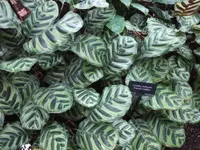
This species forms soft, velvety leaves with a distinct pattern created by pale to silvery veins contrasting against a darker green background, a typical trait of many neotropical Gesneriaceae that enhances light capture under forest shade.

Native to humid forests

It is naturally found in low to mid-elevation tropical rainforests of Central and parts of northern South America, where it grows as an understory plant on shaded, moist slopes and on tree bases in consistently warm, humid air.

Belonging to Gesneriaceae

As a member of the Gesneriaceae family, it is closely related to African violets and other ornamental gesneriads, sharing similar floral structure and preference for diffused light and evenly moist but well-aerated substrates, which informs practical Drymonia serrulata care instructions.

FAQs about Drymonia serrulata

Lack of blooms usually comes from insufficient light, overly cool conditions, or heavy nitrogen fertilization. Provide bright, filtered light, stable warmth, and a balanced fertilizer. Avoid frequent repotting, which can delay flowering until roots reestablish.

Grow Healthy Plants with Botan Care

Keep your plants happy and healthy with plant identification, disease detection, and easy care guidance.

Botan plant care app — identify plants on mobile

Explore More Plants