scrambled eggs Care (Corydalis aurea)

Also known as: golden corydalis, golden smoke
scrambled eggs

About scrambled eggs

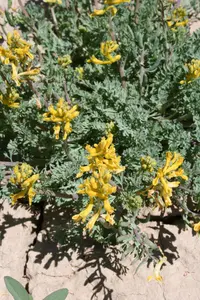
Scrambled eggs, Corydalis aurea, is a small annual wildflower in the poppy family known for its bright yellow, lacy clusters of tubular blooms. It forms soft, finely divided foliage that gives a delicate, fern-like look.

This species is native to North America, often found in open, rocky, or sandy sites and disturbed ground. It tends to grow quickly, flower heavily, then set seed before summer heat becomes intense.

Gardeners value it as an easy, self-seeding accent in informal beds or naturalized areas. It prefers sun to light shade, with well-drained soil and moderate moisture. Understanding how to care for scrambled eggs mainly involves providing good drainage and avoiding heavy, waterlogged spots.

Main Plant Requirements

Care Difficulty

Easy Care

Light Preference

Full Sun

Water Requirements

Low Water

Temperature Preference

Cold Hardy

Hardiness Zone

3–8

Soil Texture

Sandy, Loamy, Rocky

Soil pH

Acidic (5.5–6.5), Slightly acidic (6.5–7.0)

Soil Drainage

Well-drained

Fertilization

Minimal (feed rarely)

Get Personalized Care Plan

Scan your plant to receive care tips personalized for your specific plant

Available on iOS and Android

How to Care for the scrambled eggs

This spring annual prefers bright, cool conditions with moderate direct sun.

  • Provide 4–6 hours of direct sun daily, ideally gentle morning sun with light afternoon shade in hotter regions.
  • Tolerates partial shade, especially under open trees; flowering scrambled eggs plants may stretch and bloom less if light drops below about 3 hours of direct sun.
  • In summer, protect from harsh midafternoon sun in zones with strong heat to reduce leaf scorch and premature dieback.

This plant prefers evenly moist, fast-draining soil during its active spring growth.

  • Water only when the top 3–5 cm of soil feels dry, then soak thoroughly so excess drains away; sandy or gritty soil helps prevent root rot.
  • Reduce watering sharply once foliage starts yellowing and the plant goes dormant, allowing soil to dry almost fully between any light waterings.
  • Overwatering shows as limp, yellowing stems and soft roots, while underwatering produces rapid wilting and crisp leaf edges that do not recover after sunset.

This cool-season annual thrives in mild spring conditions and declines as heat builds.

  • Active growth is best around 50–70°F (10–21°C); flowering continues until sustained highs exceed about 75–80°F (24–27°C).
  • Tolerates light frosts down to about 25°F (-4°C) once established, but repeated hard freezes below this can damage new growth and flower buds.
  • In hotter climates, natural dieback occurs as soil warms; afternoon shade and mulch can slightly extend the display but will not maintain growth through intense summer heat.

This species handles low atmospheric moisture well, so humidity is rarely a concern when caring for scrambled eggs.

This species prefers light, well-drained soil that mimics open, rocky or sandy habitats.

  • Use a loose sandy or sandy-loam mix with 30–50% mineral grit such as coarse sand or fine gravel for sharp drainage.
  • Incorporate a modest amount of compost or leaf mold to add nutrients without making the mix heavy or waterlogged.
  • Aim for slightly acidic to neutral pH, roughly 6.0–7.0, and avoid strongly alkaline or compacted soils.
  • If native soil holds water, raise the planting area or use a gritty amendment layer to keep roots from sitting in wet zones.

This species can be grown in containers if the pot is set up to drain quickly and stay relatively cool.

  • Choose a pot deeper than it is wide to provide room for the taproot and reduce midday overheating of the root zone.
  • Use a gritty, fast-draining mix and elevate the pot on feet so drainage holes never sit directly on a solid surface.
  • Select unglazed clay or other porous materials to let the root zone dry between waterings and reduce rot risk in wet weather.

Corydalis aurea, often called scrambled eggs, usually thrives in lean soils and needs only light feeding in cultivation.

  • Use a light top-dressing of compost or a low-dose, balanced NPK fertilizer in early spring to support new growth.
  • Apply a dilute liquid balanced fertilizer at 1/4–1/2 strength every 4–6 weeks during the active growing season if soil is poor.
  • Avoid rich, frequent feeding, which can reduce flowering and make plants floppy.
  • Stop fertilizing as plants yellow and go dormant, and do not feed during winter rest.

Corydalis aurea benefits from light, targeted pruning to maintain a tidy, flowering clump.

  • In late spring or after main flowering, shear back spent flower stems to encourage a neater shape and possible rebloom.
  • Remove any dead, damaged, or diseased stems immediately using clean, sharp scissors or hand pruners.
  • Thin crowded stems lightly at the base to improve air flow and reduce fungal problems.
  • Allow healthy foliage to remain until it yellows naturally, then trim to soil level to complete the growth cycle.

This short-lived, taprooted wildflower is better transplanted young in the garden than frequently repotted in containers.

  • Transplant in early spring or early fall when temperatures are mild and growth is not at peak stress.
  • Move plants only when roots begin circling a small pot, growth stalls, or soil dries out extremely fast.
  • Handle the taproot gently, keeping as much soil around the root as possible to reduce transplant shock.
  • Replant into well-drained soil at the same depth, water thoroughly, then keep evenly moist until new growth resumes.

Corydalis aurea is most often propagated from seed, with some potential for small-scale division in suitable clumps.

  • Collect seeds as pods begin to brown and sow fresh in late summer or fall for best germination.
  • Use shallow trays with well-drained, gritty mix and keep slightly moist; cool conditions help break seed dormancy.
  • Provide bright, indirect light and temperatures around 55–65°F for steady seedling development.
  • In established garden patches, lift and divide self-sown clumps carefully in early spring, replanting divisions promptly.

This species is generally cold hardy and needs minimal winter care once established in the ground.

  • Plants usually die back to the ground after flowering, leaving the root system dormant through winter in most climates.
  • In colder regions or exposed sites, apply a light mulch layer after the ground cools to buffer freeze–thaw cycles.
  • For container-grown plants in cold zones, move pots to a sheltered, unheated but frost-free area to prevent root damage.

Care Tips

Self-seeding management

Allow some flowers to go to seed and leave a light layer of fallen seed in place, then gently rake the top 0.5–1 cm of soil in late fall to help distribute seed and maintain a natural colony without overcrowding.

Support in exposed sites

In windy or very open sites, place low, unobtrusive twiggy branches or short wire hoops around young plants to prevent stems from lodging (bending over) and to keep flowers visible and upright.

Targeted weed control

Keep a 10–15 cm weed-free ring around each plant by hand-pulling or slicing weeds at soil level, which reduces competition for moisture and nutrients without disturbing the shallow roots.

Rocky microhabitat use

Plant near the south or west side of rocks or gravel paths, where the slightly warmer, well-drained microhabitat mimics natural conditions and often extends the flowering period.

Planned life cycle reset

Because this species is short-lived, mark spots where plants perform best and refresh those areas every 2–3 years by lightly reworking the soil surface and re-sowing saved seed as part of long-term Corydalis aurea plant care.

Everything About scrambled eggs

Common Pests and Diseases

Downy mildew

This disease causes yellowed, often angular leaf spots with a gray to purplish fuzzy growth on the underside of leaves in cool, damp weather. Symptoms include premature leaf drop and weakened, sparse plants.

Solution

Remove and discard affected foliage, avoid overhead watering, and space plants to improve air circulation so leaves dry quickly. In climates with frequent spring moisture, consider rotating planting spots each year and using a copper-based fungicide preventively if downy mildew has been a recurring problem nearby.

Powdery mildew

This disease produces white, powdery fungal growth on leaves and stems, often starting on lower or crowded parts of the plant. Symptoms include distorted new growth and reduced flowering when infections are heavy.

Solution

Increase sunlight and airflow by thinning dense plantings and avoiding overcrowding with neighboring species. Remove heavily infected leaves and, if needed, treat remaining foliage with a sulfur or potassium bicarbonate spray labeled for ornamental plants, applied in dry, mild conditions.

Aphids

These insects cluster on tender shoots and the undersides of leaves, sucking sap and causing curling, distortion, and sticky honeydew deposits. This pest can attract sooty mold fungi that turn leaf surfaces black and reduce photosynthesis.

Solution

Dislodge colonies with a strong stream of water, repeating every few days during outbreaks, and encourage natural predators such as lady beetles by avoiding broad-spectrum insecticides nearby. For persistent infestations, apply insecticidal soap or a light horticultural oil, ensuring thorough coverage of stems and leaf undersides.

Slugs and snails

This pest feeds on tender foliage and young stems, leaving irregular holes, shredded leaf edges, and silvery slime trails, especially in moist, shaded sites. Symptoms include severely damaged seedlings and reduced plant vigor in early growth stages.

Solution

Reduce hiding places by removing dense mulch and debris, water in the morning so soil surface dries by night, and hand-pick slugs and snails in the evening when they are active. In areas with heavy pressure, use iron phosphate bait around but not directly on the plants, following label directions.

Interesting Facts

Early spring opportunist

This annual species often germinates and flowers very early in spring, taking advantage of cool temperatures and open light conditions before taller vegetation leafs out.

Nitrogen-fixing partnership

The roots form associations with soil bacteria that can improve nutrient availability, allowing the plant to colonize relatively poor, disturbed, or sandy soils across its range.

Specialized flower visitors

Its tubular yellow flowers are primarily visited by long-tongued bees and certain flies that can reach the nectar, which helps ensure efficient cross-pollination.

FAQs about scrambled eggs

This species usually behaves as a short-lived annual or biennial. In cold, open sites it tends to complete its life cycle in 1 season, relying on self-sown seed rather than long-lived roots or crowns.

Grow Healthy Plants with Botan Care

Keep your plants happy and healthy with plant identification, disease detection, and easy care guidance.

Botan plant care app — identify plants on mobile

Explore More Plants