Jurinea stoechadifolia Care

About Jurinea stoechadifolia

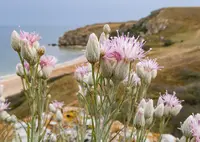
Jurinea stoechadifolia is a perennial flowering plant in the daisy family, forming compact clumps with narrow, gray-green leaves and thistle-like purple flower heads. It has a low, tufted habit that suits rock gardens and dry borders.

This species is native to dry, often rocky habitats in parts of Europe and western Asia, where it copes with poor, well-drained soils and strong sun. These natural adaptations make it relatively undemanding in cultivation, provided the soil does not stay wet.

Gardeners who want to care for Jurinea stoechadifolia should focus on good drainage, moderate watering, and an open, sunny position to keep plants compact and floriferous.

Main Plant Requirements

Care Difficulty

Moderate Care

Light Preference

Full Sun

Water Requirements

Low Water

Temperature Preference

Cool Climate

Hardiness Zone

5–8

Soil Texture

Sandy, Loamy, Rocky

Soil pH

Slightly acidic (6.5–7.0), Neutral (7.0)

Soil Drainage

Well-drained

Fertilization

Minimal (feed rarely)

Get Personalized Care Plan

Scan your plant to receive care tips personalized for your specific plant

Available on iOS and Android

How to Care for the Jurinea stoechadifolia

This alpine perennial prefers open, bright sites that mimic sunny mountain slopes.

  • Provide 6–8 hours of sun daily, ideally with full morning sun and light afternoon shade in hotter lowland climates.
  • Tolerates light partial shade, but flowering and compact growth decline if it receives less than about 4–5 hours of direct sun.
  • In summer, protect from harsh reflected heat that can scorch foliage, and in winter ensure an open position where low-angle sun still reaches Jurinea stoechadifolia.

This species prefers dry to slightly moist conditions and dislikes prolonged wetness around its roots.

  • Water only when the top 3–5 cm of soil are completely dry; the surface should look pale and feel crisp, not cool or tacky.
  • Use very free-draining, gritty soil so water runs through quickly and the crown does not sit in moisture, which encourages root rot.
  • In cool or wet seasons, reduce watering sharply and rely mostly on natural rainfall, watching for yellowing, soft leaves as a sign of overwatering.

This hardy mountain plant tolerates cold well but still grows best within a moderate temperature band.

  • Active growth is strongest around 55–70°F (13–21°C); in hotter summers, it may slow down or partially rest.
  • Mature plants often survive down to about 0°F (−18°C) with good drainage, but young plants benefit from protection from deep, prolonged freezes.
  • In heat above 85°F (29°C), provide mulch to keep roots cooler and avoid hot, reflected sites that combine intense sun with stagnant air.

This species is adapted to dry, open habitats, so humidity is rarely a concern indoors or outdoors.

This plant prefers mineral, fast-draining ground that mimics rocky slopes or dry meadows.

  • Use a sandy or gritty loam with 30–50% mineral aggregate such as coarse sand, fine gravel, or pumice.
  • Aim for slightly alkaline to neutral pH around 7.0–8.0, avoiding acidic mixes dominated by peat.
  • Incorporate a small amount of compost or well-rotted leaf mold, but keep organic matter modest to prevent waterlogging.
  • Avoid heavy clay, compacted ground, and any mix that stays wet for more than 1 day after watering.

This species can grow in containers if the pot is set up to stay dry and airy around the roots.

  • Choose a deep, heavy container or terracotta pot that resists tipping and allows the taproot to extend downward.
  • Fill the pot with a very gritty mix and keep the top 2–3 cm mostly mineral to discourage excess surface moisture.
  • Raise the container slightly on feet or blocks so drainage holes remain clear and water cannot pool under the base.

This mountain steppe perennial needs only light, targeted feeding in lean soils.

  • Apply a thin layer of well-rotted compost around plants in early spring to support flowering without excessive leafy growth.
  • In very poor soils, use a balanced fertilizer (around 10-10-10) at 1/2 strength once in late spring during active growth.
  • Avoid frequent feeding; Jurinea stoechadifolia prefers relatively low-nutrient, well-drained conditions.
  • Do not fertilize in fall and winter, as the plant is entering or in dormancy and extra nutrients are unused.

Pruning needs are modest and mainly aim to keep plants tidy and flowering well.

  • Deadhead spent flower stems in summer by cutting them back to the basal foliage to extend blooming and reduce self-seeding.
  • In late winter or very early spring, remove dead, damaged, or weak stems to encourage fresh, compact growth.
  • If clumps become too dense, thin crowded basal rosettes lightly to maintain airflow and reduce fungal issues.
  • Use clean, sharp scissors or hand pruners, making neat cuts just above healthy tissue to limit stress.

This taprooted perennial dislikes disturbance, so transplant only when clearly necessary.

  • Check for signs such as roots circling the pot, poor drainage, or noticeably slowed growth before moving the plant.
  • Plan any transplanting or potting-on for early spring, just as new growth starts, to allow quick re-establishment.
  • Use a deep, well-drained container or garden spot and handle the taproot gently, keeping as much soil around it as possible.
  • Water thoroughly after transplanting, then keep soil just slightly moist, shading from intense sun for a week to limit transplant shock.

Propagation is usually done from seed, with some care needed to mimic natural conditions.

  • Sow fresh seeds in late summer or fall in a gritty, well-drained mix, barely covering them with substrate.
  • Provide a period of cold stratification at 35–40°F for 4–6 weeks if seeds do not experience natural winter outdoors.
  • Keep the medium lightly moist and bright but not hot; germination is often slow and uneven.
  • Once seedlings have several true leaves, pot on carefully to avoid damaging the developing taproot.

This species is generally cold hardy in temperate climates and needs only minimal winter attention.

  • In the ground, a light mulch layer around but not covering the crown helps buffer freeze–thaw cycles.
  • Ensure soil drains well through winter, as cold, saturated conditions are more damaging than low temperatures alone.
  • For container plants in colder areas, move pots to a sheltered, unheated but frost-prone area and keep the mix barely moist.

Care Tips

Improve Root Aeration

Loosen the top 2–3 cm of soil gently each spring without disturbing the crown to improve air flow to the roots and reduce the risk of rot on heavy or compacted sites.

Use Gravel Mulch

Apply a 1–2 cm layer of sharp grit or fine gravel around the base to keep the crown dry, suppress weed seedlings, and protect the neck of the plant from winter wet.

Support Flower Stems

In windy sites, insert low, unobtrusive hoops or short canes before stems elongate, so the tall flower stalks grow through the support and are less likely to lodge or snap.

Controlled Self-Seeding

Allow a few seed heads to mature fully and shake them onto a prepared, weed-free gritty patch, then remove the remaining heads to prevent excessive self-seeding and maintain a tidy planting.

Winter Drainage Check

Before winter, check that soil and nearby surfaces drain freely and, if water collects around the plant, create a slight mound or shallow channel to divert runoff away from the crown when caring for Jurinea stoechadifolia.

Common Pests and Diseases

Powdery mildew

This disease causes a white to gray, powdery coating on leaves and flower stems, often in warm, dry conditions with poor air circulation. Symptoms include distorted growth and a general decline in vigor if the infection is heavy.

Solution

Remove and discard the most affected leaves and spent flower stalks, then improve spacing and airflow around the plants to reduce humidity on foliage. In persistent cases, use a sulfur or potassium bicarbonate fungicide labeled for ornamental perennials, applying in dry weather and following label directions carefully.

Leaf spot

This disease produces small brown to dark purple spots on leaves that may merge into larger patches, especially in damp or crowded plantings. Symptoms include premature yellowing and drop of lower leaves, which can weaken clumps over time.

Solution

Cut off and discard affected leaves to reduce inoculum, and avoid wetting the foliage when watering to limit spread. In severe or recurring cases, apply a copper-based or chlorothalonil fungicide labeled for ornamental composites, and keep plant debris cleaned up around the crown.

Aphids

These insects cluster on young stems, leaf bases, and flower buds, sucking plant sap and excreting sticky honeydew. This pest can cause curling or distortion of new growth and may attract sooty mold on the sugary deposits.

Solution

Spray infested shoots with a firm stream of water to dislodge colonies, repeating as needed during the growing season. For heavier infestations, use insecticidal soap or a light horticultural oil, coating all sides of stems and buds and avoiding application during high heat or strong sun.

Leaf-mining flies

These insects cause narrow, pale tunnels or blotches within the leaf blade as larvae feed between the upper and lower leaf surfaces. Symptoms include unsightly foliage and, in severe cases, reduced photosynthesis and vigor.

Solution

Remove and destroy mined leaves as soon as damage is noticed to interrupt the life cycle before larvae pupate. In outdoor beds, encourage natural predators and, if needed, place fine insect netting over young plants during peak fly activity to prevent egg-laying on foliage.

Crown and stem rot

This disease develops in poorly drained or waterlogged sites, leading to soft, brown, rotting tissue at the base of stems and a gradual collapse of the rosette. Symptoms include yellowing, wilting, and easy pulling of stems from a decaying crown.

Solution

Improve drainage by amending heavy soils with grit or planting on raised beds, and avoid overhead or excessive watering, especially in cool weather. Remove and discard severely affected plants, and replant only in free-draining, open soil to reduce future risk when trying to grow Jurinea stoechadifolia.

Interesting Facts

Aegean coastal specialist

This species is naturally restricted to rocky coastal slopes and dry grasslands around the eastern Aegean region and nearby Anatolia, where it grows in thin, stony soils exposed to strong sun and wind.

Silvery, woolly foliage

The leaves are densely covered with fine hairs that give them a silvery or grayish appearance; this tomentose surface reduces water loss and reflects intense sunlight in its arid native habitats.

Thistle-like flower heads

Although not a true thistle, it forms solitary purple flower heads with spiny bracts that resemble small thistles, attracting a range of pollinating insects in summer.

FAQs about Jurinea stoechadifolia

Flower heads are rich in nectar and pollen, so they attract a range of pollinators, especially bees, small wild bees, and some butterflies. Planting several together increases visual impact and provides a better foraging patch.

Grow Healthy Plants with Botan Care

Keep your plants happy and healthy with plant identification, disease detection, and easy care guidance.

Botan plant care app — identify plants on mobile

Explore More Plants