



6 min read · 19 Aug 2026
How to Tell if a Plant Is Dead
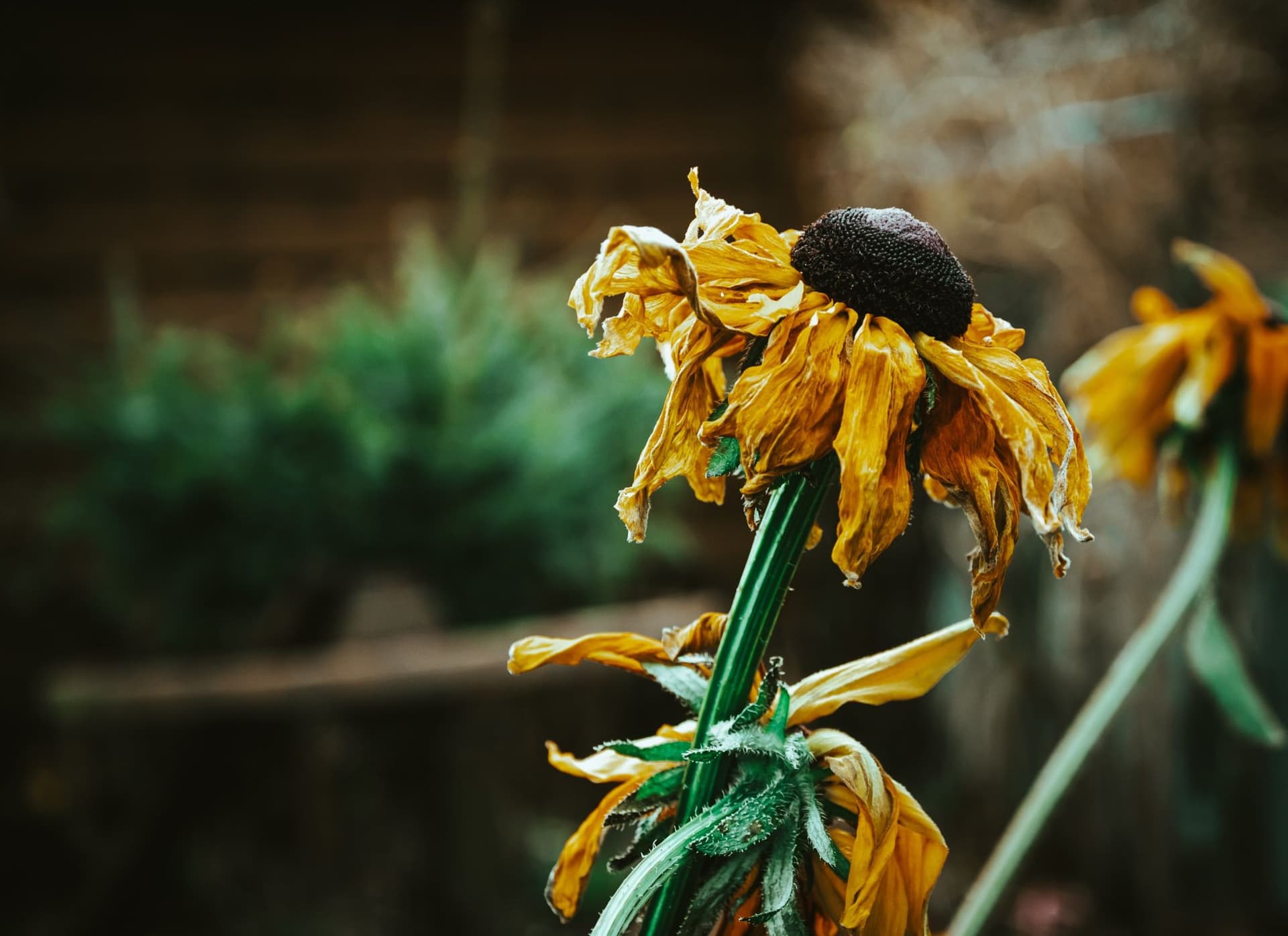
A plant can lose its leaves, stop growing, or collapse and still remain alive. A closer look at the stems, roots, bulbs, and tubers can show whether the plant still has a chance to recover.

scrambled eggs grows best in full sun, with partial sun acceptable where summers are hot.

Light Preference
Full Sun

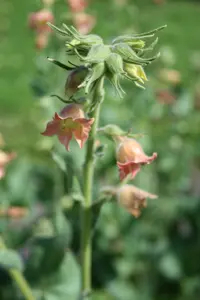
Corydalis aurea is native to much of North America, where it grows in open, rocky or sandy ground, dry slopes, roadsides, and other exposed disturbed sites. These habitats receive long periods of direct sun, though plants may also get light afternoon shade from nearby grasses or terrain. In cultivation, this points to a bright outdoor position rather than shade. Preferred light is full sun.
scrambled eggs needs about 6–8 hours of outdoor light daily, ideally full sun with 6 or more hours of direct sun.
Established plants tolerate full-day sun when temperatures are moderate and soil does not overheat.
Four to 6 hours of direct sun can work, especially with bright open light for the rest of the day.
Shade leads to loose growth and fewer flowers, so dense tree cover or dim corners are poor choices.
Strong light is usually a problem during sudden exposure or hot afternoons.
Leaflets may turn pale or washed out on the side facing the strongest sun.
Thin foliage can develop tan, papery marks after abrupt exposure to intense afternoon sun.
Growth may flatten or wilt during heat, especially in exposed containers or reflected light.
Flowers may fade faster when bright sun is paired with high heat.
Shift Corydalis aurea to morning sun with light afternoon shade, or use nearby screening during the hottest part of the day. Acclimate gradually before returning it to stronger sun.
Low light shows most clearly in growth shape and flowering. This species does not perform well in shade.
Stems may become longer and weaker as they reach toward the brightest side.
Leaves can form farther apart, giving the plant a loose, open look.
Blooming may be sparse because Corydalis aurea needs strong light to support flower production.
New foliage may stay smaller during the active growing season.
Growth may lean toward open sky or a brighter exposure.
Move the plant to a sunnier outdoor position rather than trying to keep it in shade. Increase exposure over several days if the new site is much brighter.
If ideal full sun is not available, choose an outdoor spot with morning sun and open sky for the rest of the day. Treat fewer than 4 hours of direct sun as a poor match.
Cut back nearby overgrowth or shift containers away from walls that cast shade. Rotate container-grown plants weekly if growth leans toward one side.
Avoid dim patios or deep shade under structures because those settings usually reduce flowering and create weak, stretched growth.

Light Care Advice
Learn what light your plant needs and avoid common lighting mistakes
Scan your plant to receive care tips personalized for your specific plant
It is a sun plant. The best light for scrambled eggs is full sun, although partial sun is usually tolerated when the site remains bright and open.
Discover how to care for your plants with Botan.


6 min read · 19 Aug 2026
A plant can lose its leaves, stop growing, or collapse and still remain alive. A closer look at the stems, roots, bulbs, and tubers can show whether the plant still has a chance to recover.

9 min read · 29 Sept 2026
Discover the 12 best plants for bathroom spaces. Each pick comes with its own advantages, plus light, humidity, watering, and placement tips. Take a look and match the plant to your specific bathroom.

8 min read · 16 Oct 2026
Some plants carry names that sound like jokes. This guide explains the origins of 20 funny plant names. You will also see which of these plants you can grow at home.