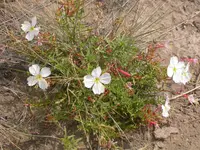
darkred onion Care (Allium atrorubens)

darkred onion

About darkred onion

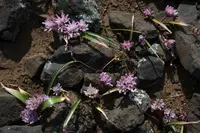
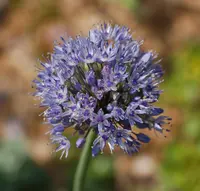
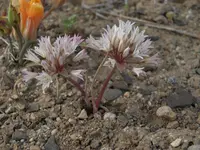
Allium atrorubens, often called darkred onion, is a small bulb-forming perennial from arid regions of the southwestern United States. It typically grows in open, rocky habitats and desert slopes. The plant produces slender, grass-like leaves and compact, rounded flower clusters in deep reddish-purple tones on thin leafless stalks. Its modest size and striking color make it suitable for rock gardens, dry borders, and naturalistic plantings. Darkred onion prefers full sun, sharply drained soil, and relatively dry conditions once established. These adaptations to drought and poor soils mean it is generally low-maintenance if placed correctly. Gardeners who learn how to care for darkred onion mainly focus on avoiding excess moisture and heavy, waterlogged substrates.

Main Plant Requirements

Care Difficulty

Easy Care

Light Preference

Full Sun

Water Requirements

Low Water

Temperature Preference

Cold Hardy

Hardiness Zone

5–9

Soil Texture

Sandy, Loamy, Rocky

Soil pH

Slightly acidic (6.5–7.0), Neutral (7.0)

Soil Drainage

Well-drained

Fertilization

Minimal (feed rarely)

Get Personalized Care Plan

Scan your plant to receive care tips personalized for your specific plant

Available on iOS and Android

How to Care for the darkred onion

Allium atrorubens thrives in bright, open sites with strong sun exposure similar to its native desert habitats.

  • Provide 6–8 hours of direct sun daily; full sun is best for strong flowering and compact growth of darkred onion.
  • Allow light afternoon shade in very hot regions to reduce leaf scorch, especially where summer highs exceed 95°F (35°C).
  • Avoid deep shade; plants grown with less than 4 hours of sun develop weak stems, fewer blooms, and may lean toward brighter areas.

Allium atrorubens prefers dry to slightly moist soil and is adapted to low, infrequent rainfall.

  • Water only when the top 3–5 cm of soil are completely dry; in dry climates this may mean deep watering every 10–21 days during active growth.
  • Use very well-drained, sandy or gritty soil to prevent standing water; bulbs sitting in soggy ground are prone to rot and soft, collapsing tissue.
  • Reduce or stop watering after foliage begins to yellow and die back; resume light watering only when new growth appears in the next active season.

This species is adapted to arid climates with warm days, cool nights, and a distinct dormant period.

  • Aim for 60–80°F (16–27°C) during active spring growth; cooler nights around 45–55°F (7–13°C) are beneficial and support sturdy stems.
  • Established bulbs tolerate brief drops to about 10–15°F (-12–-9°C) when soil drains well, but young plants are safer above 25°F (-4°C).
  • In summer dormancy, the bulbs handle heat up to 95–100°F (35–38°C) if soil stays dry; prolonged hot, wet conditions greatly increase rot risk.

Humidity is rarely critical for Allium atrorubens, which thrives in dry, airy conditions.

Allium atrorubens prefers lean, sharply drained, sandy or gritty soil that never stays wet.

  • Use a sandy or gritty loam with at least 40–60% mineral material such as coarse sand or fine gravel to keep the root zone open.
  • Ensure rapid drainage by planting on a slope, in a raised bed, or in a rock garden where water runs off quickly after rain.
  • Aim for slightly alkaline to neutral soil, around pH 7.0–8.0, and avoid strongly acidic mixes.
  • Do not add heavy clay or large amounts of peat; if soil is dense, lighten it with coarse sand and small gravel to improve aeration.

This species can be grown in containers if the pot mimics its dry, free-draining native habitat.

  • Choose a pot at least 20–25 cm deep to allow the bulbs to sit several cm below the surface with room for roots to spread downward.
  • Use a heavy clay or ceramic pot if growing outdoors so wind is less likely to tip over the tall flowering stems.
  • Elevate the container on pot feet or bricks so drainage holes stay clear and water cannot pool under the base after rain or watering.

Allium atrorubens needs only light feeding, especially in lean native-type soils.

  • Use a thin layer of compost or a low-dose balanced NPK granular fertilizer in early spring as growth starts.
  • Apply at most once per year during the active growing season; more can cause lush, weak foliage.
  • Dilute liquid fertilizer to 1/2 strength if used, and water before and after application to prevent root burn.
  • Stop feeding once leaves begin to yellow and enter dormancy; darkred onion rests best in unfertilized, drier soil.

Allium atrorubens needs minimal pruning, mainly to keep clumps tidy and healthy.

  • In late spring or early summer, cut spent flower stalks at the base to maintain appearance and reduce unwanted self-seeding.
  • Remove dead, yellowing, or damaged leaves with clean, sharp scissors or hand pruners to limit disease spread.
  • Avoid cutting healthy green foliage, since it is needed for bulb energy storage and future flowering.
  • Do not shape-shear the plant; light, selective removal preserves its natural form and flowering performance.

This species is usually grown in the ground, so focus on careful transplanting rather than frequent repotting.

  • Transplant bulbs in late summer to fall, after foliage has fully died back and the soil is workable.
  • Move clumps only every 3–5 years, or when flowering declines or bulbs become crowded and small.
  • If grown in a pot, repot when roots circle the container and growth or blooming noticeably slows.
  • Dig bulbs with a wide, shallow scoop, keep roots shaded and slightly moist, and replant at the same depth to reduce stress.

Allium atrorubens is commonly propagated by bulb division and by seed in suitable dry, sunny sites.

  • Lift and divide mature clumps in late summer or early fall, separating firm bulbs and replanting them promptly.
  • Sow fresh seeds in fall outdoors for natural cold stratification, using a gritty, well-drained mix.
  • Keep seed trays just slightly moist and exposed to light, with good airflow to limit damping-off disease.
  • Label accessions clearly, since seed-grown plants may vary in flower color and vigor compared with divided bulbs.

In most mild, dry climates this species is quite cold hardy and needs little winter attention once established.

  • Dormant bulbs tolerate light frost, but provide a 2–5 cm layer of dry mulch in areas with colder winters.
  • Ensure soil drainage stays sharp, since prolonged winter wet is more damaging than low temperatures.
  • For container plants in regions below about 20°F, move pots into a cold, bright, frost-free shelter.

Care Tips

Mark Dormant Clumps

Insert small, weatherproof labels where bulbs are planted so the locations are not disturbed by digging or new plantings while the plant is fully dormant and invisible above ground.

Use Gravel Mulch

Top-dress the planting area with a 1–2 cm layer of coarse grit or small gravel to keep the bulb necks dry, reduce rot risk, and discourage soil splash that can spread fungal spores.

Rotate Planting Sites

Shift planting areas every 3–4 years to fresh, well-drained ground to reduce buildup of onion thrips, nematodes, and soil-borne diseases that can weaken plants over time.

Stagger Bulb Depths

Plant some bulbs slightly deeper and some slightly shallower within the recommended range so flowering is naturally staggered over several weeks, extending the display in dry gardens.

Control Seed Self-Sowing

Deadhead spent flower heads before seeds mature or bag a few umbels in fine mesh to collect seed intentionally, which keeps clumps from becoming overcrowded while still allowing controlled growing darkred onion from seed.

Common Pests and Diseases

onion thrips

This pest feeds on allium leaves, causing silvery streaks, small white patches, and gradual yellowing that weakens the plant and reduces flowering.

Solution

Rinse foliage with a strong but controlled stream of water to dislodge insects, then use insecticidal soap or a ready-to-use spinosad spray, making sure to coat both leaf surfaces. Reduce nearby grassy weeds that host thrips and avoid overhead irrigation late in the day to limit prolonged leaf wetness and stress while growing darkred onion in dry climates.

onion bulb mites

These insects attack bulbs and roots, leading to soft, decaying tissue and poor emergence or stunted growth in clumps.

Solution

Discard any soft, infested bulbs and replant only firm, healthy stock in clean, well-drained soil. Between seasons, solarize or rest heavily infested beds, and avoid planting alliums repeatedly in the same spot for several years to break the mite life cycle.

downy mildew

This disease causes pale yellow patches on leaves that later develop gray-purple, fuzzy growth, often leading to leaf collapse in cool, moist conditions.

Solution

Remove and discard affected leaves promptly and improve air circulation by spacing plants well and avoiding overhead watering. In regions with repeated issues, use preventive copper-based or phosphonate fungicides according to label directions, starting at early symptom appearance and rotating products to reduce resistance risk.

Botrytis leaf blight

This disease produces tan to brown, water-soaked spots on leaves that expand and may be covered with gray mold, especially in humid or crowded plantings.

Solution

Cut off and dispose of infected leaves and plant debris, keeping the foliage as dry as possible with drip or low-level watering. Thin dense clumps, reduce surrounding weeds, and in high-pressure areas apply a labeled ornamental allium fungicide at the first sign of spotting, following label intervals carefully.

basal plate rot

This disease starts at the base of the bulb, causing yellowing foliage, poor vigor, and a brown, dry rot at the basal plate where roots emerge.

Solution

Remove and destroy affected plants, including surrounding soil clumps, and never compost diseased bulbs. Plant only clean, firm bulbs in sharply drained sites or raised beds, rotate away from alliums for several years, and avoid overwatering or heavy nitrogen fertilization that encourages soft, susceptible tissue.

Interesting Facts

Mojave Desert specialist

This species is native to arid regions of the Mojave Desert and surrounding areas in the southwestern United States, where it grows in sandy, gravelly, or rocky soils that experience very low rainfall.

Showy magenta umbels

The plant produces compact spherical clusters (umbels) of vividly magenta to deep reddish-purple flowers, each with a darker midvein on the tepals, giving the inflorescences a distinct two-tone appearance.

Spring ephemeral habit

It behaves as a spring ephemeral, emerging and flowering in spring when desert moisture is briefly available, then dying back to an underground bulb to survive the long hot dry season.

Botan icon

Did you know?

This species has been treated as having several geographically and morphologically distinct varieties, and taxonomic studies use fine details of the flower parts and bulb structure to distinguish it from closely related desert onions in the same region.

FAQs about darkred onion

Lack of flowering usually comes from insufficient sunlight, overcrowded bulbs, or excessive nitrogen fertilization. Ensure a full sun position, well-drained soil, and avoid high-nitrogen fertilizers. Mature bulbs also need a cool, dry rest period between growing seasons.

Grow Healthy Plants with Botan Care

Keep your plants happy and healthy with plant identification, disease detection, and easy care guidance.

Botan plant care app — identify plants on mobile

Explore More Plants