Bulbophyllum minutum Care

Bulbophyllum minutum

About Bulbophyllum minutum

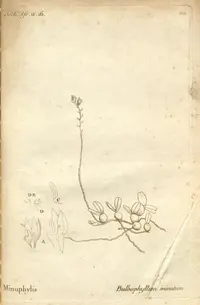
Bulbophyllum minutum is a miniature epiphytic orchid that usually grows on tree branches, forming small clumps of pseudobulbs and narrow leaves. It produces tiny, often grouped flowers whose detail is best appreciated up close.

This species is native to tropical regions of Southeast Asia, where it experiences warm, humid forest conditions with good air movement. Its compact size and need for consistent moisture make it suitable for terrariums, orchid cases, or controlled indoor setups.

For those learning how to care for Bulbophyllum minutum, the main challenges are keeping humidity stable, avoiding stagnant air, and providing gentle, filtered light without letting the roots dry out completely.

Main Plant Requirements

Care Difficulty

Hard Care

Light Preference

Bright Indirect Light

Water Requirements

Keep Soil Moist

Temperature Preference

Tropical / Frost Sensitive

Hardiness Zone

12–13

Soil Texture

Peaty, Organic-rich, Loamy

Soil pH

Strongly acidic (4.5–5.5), Acidic (5.5–6.5)

Soil Drainage

Moist but well-drained

Fertilization

Light (every 4–6 weeks)

Get Personalized Care Plan

Scan your plant to receive care tips personalized for your specific plant

Available on iOS and Android

How to Care for the Bulbophyllum minutum

This small epiphytic orchid prefers bright, indirect light similar to a shaded tree canopy.

  • Provide 8–10 hours of bright, filtered light daily, such as dappled shade or under 30–50% shade cloth in a greenhouse or shaded outdoor area.
  • Allow only gentle morning sun; avoid direct midday or afternoon sun, which can scorch leaves and cause yellowing or reddish patches.
  • If stems elongate and leaves turn dark, light is too low; move Bulbophyllum minutum slightly closer to the light source, especially in winter.

This orchid prefers constant, light moisture around the roots without prolonged saturation.

  • Water when the surface of the medium just begins to feel slightly dry but is still cool and moist 1–2 cm below; in warm weather this may mean frequent light waterings.
  • Use a very free-draining, airy mix so water flows through quickly; roots should never sit in standing water to avoid rot and sour odor.
  • Reduce watering slightly in cooler months, but do not let the plant dry out completely; wrinkling pseudobulbs and limp leaves indicate underwatering.

This species prefers intermediate to warm conditions with stable, frost-free temperatures.

  • Aim for 65–80°F (18–27°C) by day and 60–70°F (16–21°C) at night for steady growth, similar to sheltered tropical understory conditions.
  • Protect the plant from cold; growth slows below 55°F (13°C) and tissue damage can occur if exposed to near-freezing temperatures or frost.
  • In hot spells above 86°F (30°C), increase air movement and humidity and shade more heavily to prevent heat stress and leaf scorch.

This orchid requires consistently high humidity to stay healthy and flower reliably.

  • Maintain 60–80% humidity, as Bulbophyllum minutum is adapted to moist, tropical air.
  • Expect leaf shriveling, stalled growth, and dry root tips when air stays below 50% for long periods.
  • Increase humidity with a nearby humidifier, closed humidity tray, or grouping plants, while ensuring constant gentle air movement.

This species grows best mounted or in a very loose, airy, bark-based medium rather than conventional soil.

  • Use a fine to medium orchid bark mix with added sphagnum moss and a little perlite for moisture retention and aeration.
  • Aim for a fast-draining structure where water runs through in seconds but the medium stays lightly moist, not soggy.
  • Keep pH slightly acidic to neutral (around 5.5–6.5), which supports nutrient uptake and healthy roots.
  • Avoid compact peat, standard potting soil, or any mix that stays wet and heavy, as this quickly leads to root rot.

This species is well suited to container or basket culture when moisture and air flow are balanced.

  • Choose a shallow, wide pot or slatted basket that allows rhizomes to creep horizontally without crowding.
  • Prefer breathable materials such as slatted wood or plastic mesh baskets to keep roots well aerated while retaining some surface moisture.
  • Secure the plant firmly so it does not wobble, which protects fragile roots and developing growths from mechanical damage.

This small epiphytic orchid benefits from light, consistent feeding rather than heavy doses.

  • Use a balanced orchid fertilizer (around 20-20-20) diluted to 1/4–1/2 strength in low-mineral water.
  • Apply every 2–3 weeks during active growth in spring and summer, skipping one watering between feedings.
  • Reduce feeding to monthly or stop in cooler, low-light winter conditions while monitoring plant activity.
  • Flush the medium with plain water every 3–4 weeks to limit salt buildup around the roots.

Bulbophyllum minutum needs only minimal pruning focused on hygiene rather than shaping.

  • Trim spent flower spikes at the base once blooms fade, using clean, sharp scissors or snips.
  • Remove dead, yellowed, or damaged leaves and pseudobulbs to limit disease and pest issues.
  • Thin out clearly rotted or overcrowded sections when dividing to maintain good air flow.
  • Disinfect tools with alcohol before and after use to prevent spreading fungal or bacterial problems.

This orchid prefers stable conditions and should be disturbed only when the medium or root space becomes limiting.

  • Plan to repot every 2–3 years or when roots overgrow the mount or basket and growth slows.
  • Choose late winter to early spring, just before new root and shoot growth starts, for least stress.
  • Use a fine, airy orchid mix or mount on bark, keeping roots snug but not tightly compressed.
  • Moisten the medium first, handle roots gently, then maintain higher humidity and shaded light for 1–2 weeks after repotting.

Division is the most practical method for propagating Bulbophyllum minutum in home collections.

  • Divide established clumps in late winter or early spring as new growth begins.
  • Ensure each division carries at least 3–5 healthy pseudobulbs and active roots for stable recovery.
  • Plant divisions in a fine orchid mix or remount, keeping rhizomes just above the medium surface.
  • Maintain 70–80% humidity, gentle air movement, and bright, indirect light until new roots and shoots develop.

This tropical orchid is frost-sensitive and needs warm, sheltered conditions through winter in most climates.

  • Keep plants above 55°F, ideally 60–75°F, and avoid cold drafts near windows or doors.
  • Move mounted or potted plants indoors before night temperatures drop below 55°F outdoors.
  • Maintain bright, indirect light and slightly drier watering while never allowing roots to fully dry.
  • Avoid placing plants directly on cold windowsills; use a tray or insulating mat under containers.

Care Tips

Mounting strategy

Use a small, moisture-retentive mount such as cork or tree fern wrapped with long-fiber sphagnum, and position rhizomes near the edge so new growths have space to creep and avoid crowding.

Pot size control

Choose a very small, shallow pot or basket and gradually step up only one size when roots fully occupy the container to keep the root zone evenly moist and oxygenated.

Airflow management

Run a gentle fan to create constant, low-level air movement around leaves and roots, which reduces bacterial rot on dense clumps without drying the plant too quickly.

Targeted pest checks

Inspect the undersides of leaves, rhizomes, and mounting material weekly with a hand lens, focusing on tight leaf bases where scale and mites often hide on miniature Bulbophyllum species.

Division timing

Only divide well-established clumps after flowering, keeping at least 4–5 connected growths per division to maintain vigor and minimize setback when caring for Bulbophyllum minutum.

Common Pests and Diseases

Spider mites

This pest thrives on Bulbophyllum kept too dry or in stagnant air, especially on the undersides of leaves and pseudobulbs. Symptoms include fine webbing, dull or stippled foliage, and gradual leaf yellowing.

Solution

Increase humidity to 60–80%, improve air movement, and rinse leaves and pseudobulbs thoroughly with lukewarm water, focusing on leaf undersides. For persistent infestations, use repeated applications of insecticidal soap or a horticultural oil labeled safe for orchids, always applied in the early morning and not under strong light.

Soft scale

These insects attach along the pseudobulbs and leaf bases, feeding on sap and excreting sticky honeydew that encourages sooty mold. Symptoms include raised, soft brown or yellowish bumps and a tacky surface on leaves or mounts.

Solution

Remove visible insects gently with a cotton swab dipped in isopropyl alcohol, then wash the plant with water to clear honeydew. For larger colonies, use several rounds of insecticidal soap or a light horticultural oil, and keep the plant under good air circulation and moderate light while monitoring new growth closely as part of Bulbophyllum minutum care instructions.

Snails and slugs

These pests are strongly attracted to moist mounts and sphagnum around Bulbophyllum roots. Symptoms include irregular holes in leaves and flowers, chewed root tips, and slime trails on mounts or pot rims.

Solution

Inspect the plant and surrounding area after dark, hand-pick any snails or slugs, and use copper tape or physical barriers around benches or shelves. In severe cases, place species-safe slug pellets or traps away from the orchid roots and avoid overwatering or leaving wet debris near the plant.

Bacterial soft rot

This disease develops rapidly in warm, stagnant, very humid conditions, especially around tightly clustered pseudobulbs. Symptoms include suddenly soft, water-soaked, foul-smelling areas on pseudobulbs, rhizomes, or leaf bases.

Solution

Immediately cut away all affected tissue with a sterile blade, removing some healthy tissue around the margin, and discard contaminated material. Disinfect tools, keep water off the leaves and pseudobulb bases, increase air movement, and allow the plant to dry slightly between waterings while avoiding overhead misting.

Leaf spot fungi

This disease appears when foliage stays wet for long periods with poor air circulation. Symptoms include small yellow or brown spots that may darken, enlarge, and coalesce, often starting on older or shaded leaves.

Solution

Remove heavily spotted leaves, keep water off foliage, and space plants so air can move freely around the clumps. If spots continue to spread, use a broad-spectrum fungicide labeled for orchids at the lowest effective rate and adjust watering so the leaves dry quickly after each irrigation.

Interesting Facts

Miniature creeping habit

This orchid forms tiny, creeping mats of pseudobulbs and leaves that can cover bark or rock surfaces, reflecting its natural adaptation to growing on tree trunks and branches in the wild.

Minute, fly-pollinated flowers

Its very small, often brownish to yellowish flowers are thought to attract small flies rather than showy pollinators, relying on scent and close-range visibility instead of bright colors.

Moist, shaded niche specialist

In nature, this species is typically found in consistently moist, shaded forest habitats, indicating a preference for high humidity and gentle air movement rather than direct sun exposure.

FAQs about Bulbophyllum minutum

Lack of flowering usually comes from insufficient light, inadequate seasonal temperature drop, or irregular feeding. Mild root stress, cramped mounts, or disrupted humidity can also reduce bloom spikes. Correcting these factors often restores reliable flowering over time.

Grow Healthy Plants with Botan Care

Keep your plants happy and healthy with plant identification, disease detection, and easy care guidance.

Botan plant care app — identify plants on mobile

Explore More Plants