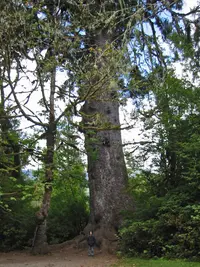
Plan mature size
Site young trees at least 25–30 ft from buildings, septic systems, and overhead lines, because the canopy and root system become very large and relocation after establishment is rarely successful.

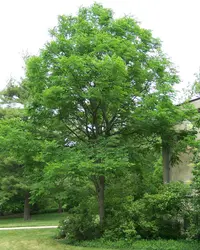
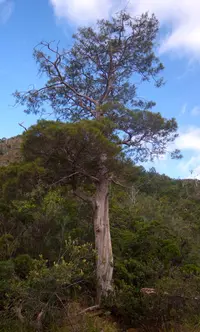
Kentucky coffeetree, Gymnocladus dioicus, is a large deciduous tree native to central and eastern North America. It is typically grown as a shade or street tree. The tree has stout branches, coarse winter outlines, and late-emerging leaf buds that open into very large, fern-like leaves. Mature trees develop thick, ridged bark and heavy seed pods that hang on through winter. This species tolerates urban conditions, drought, and a wide range of soils, so it is generally low-maintenance once established. Those looking to care for Kentucky coffeetree should note its need for full sun and space to accommodate its eventual size.

Care Difficulty
Easy Care

Light Preference
Full Sun

Water Requirements
Low Water

Temperature Preference
Cold Hardy

Hardiness Zone
3–8

Soil Texture
Sandy, Loamy, Clay

Soil pH
Slightly acidic (6.5–7.0), Slightly alkaline (7.0–7.5)

Soil Drainage
Well-drained

Fertilization
Minimal (feed rarely)
Scan your plant to receive care tips personalized for your specific plant
Available on iOS and Android
This large deciduous tree develops best in open, bright conditions with long daily sun exposure.
This species prefers deep, infrequent watering once established, supported by well-drained soil.
This hardy tree tolerates wide temperature swings but grows best within a moderate range.
Humidity is rarely a limiting factor for Gymnocladus dioicus, which thrives in typical outdoor conditions across much of North America.
Gymnocladus dioicus prefers deep, well-drained mineral soils but adapts to a range of textures if water does not stand around the roots.
This large tree is generally unsuitable for long-term container culture and is best grown in open ground.
This tough native tree needs minimal feeding, but light nutrition can support establishment and early growth when caring for Kentucky coffeetree.
Pruning Gymnocladus dioicus focuses on structural training when young and removal of problem wood in maturity.
This species is usually grown in the ground, so care centers on transplanting young trees rather than long-term container culture.
Propagation of Gymnocladus dioicus is typically done from seed, which requires specific preparation for good germination.
Gymnocladus dioicus is cold hardy in much of the US and generally needs little winter care once established.

Plant Health Check
Not sure what's wrong with your plant? Check your plant's health inside the app.
The tree’s large, hard seeds have very low natural germination because they evolved to pass through the digestive systems of now-extinct megafauna, such as giant ground sloths, which would scarify the seed coat.
In winter the species is leafless and shows extremely thick, blunt twigs and stout branches, giving it one of the most rugged and coarse silhouettes of any North American hardwood tree.
Unlike many legumes, this species often has only a small number of large, oval leaflets on each bipinnate leaf, creating a relatively light, filtered shade compared with denser-canopied trees.

The seeds were historically roasted and ground by early European settlers in North America as a coffee substitute, which led to the common name Kentucky coffeetree, although the raw seeds are considered toxic and are not used as a modern beverage source.
This species often takes many years to reach flowering age, especially from seed. Insufficient sunlight, heavy nitrogen fertilization, or recent transplanting can also delay bloom. Mature, established trees in full sun generally flower more reliably.
Keep your plants happy and healthy with plant identification, disease detection, and easy care guidance.