Tillandsia schiedeana Care

Tillandsia schiedeana

About Tillandsia schiedeana

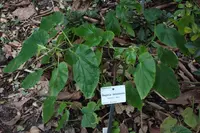
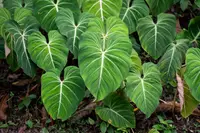
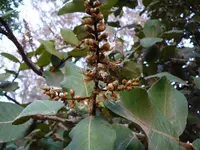
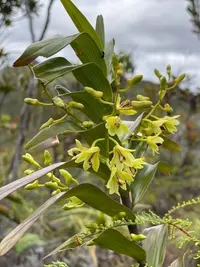
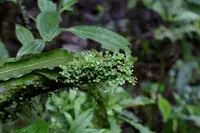
Tillandsia schiedeana is a small epiphytic air plant from the bromeliad family, native to dry forests and rocky slopes in Mexico, Central America, and northern South America. It typically forms slender, tufted rosettes with many fine, silvery leaves that wrap around branches or other supports.

This species absorbs water and nutrients through its leaves rather than roots, which makes it adaptable to mounting and soil-free displays. It prefers bright, filtered light, good air movement, and regular but light misting or soaking. Its forgiving nature and modest size make it suitable for beginners who want to learn how to care for Tillandsia schiedeana without complex setups.

Main Plant Requirements

Care Difficulty

Moderate Care

Light Preference

Bright Indirect Light

Water Requirements

Low Water

Temperature Preference

Tropical / Frost Sensitive

Hardiness Zone

10–12

Soil Texture

Rocky, Sandy

Soil pH

Acidic (5.5–6.5), Slightly acidic (6.5–7.0)

Soil Drainage

Well-drained

Fertilization

Minimal (feed rarely)

Get Personalized Care Plan

Scan your plant to receive care tips personalized for your specific plant

Available on iOS and Android

How to Care for the Tillandsia schiedeana

This air plant needs bright light but is sensitive to intense, scorching sun.

  • Provide 4–8 hours of bright, indirect light or gentle morning sun; east or bright shaded south exposure suits Tillandsia schiedeana well.
  • Allow some early or late-day direct sun, but protect from harsh midday summer sun, which can bleach or crisp leaves, especially in hot, dry climates.
  • In winter, move plants closer to bright windows or into brighter outdoor positions, as lower sun angle and shorter days reduce light intensity.

This epiphytic air plant absorbs water through its leaves rather than roots.

  • Mist or dunk thoroughly until leaves are evenly wet, then let them dry fully within 2–3 hours; increase to 2–3 times per week in hot, dry weather.
  • Reduce watering frequency in cool or very humid conditions; pale, curling leaves suggest underwatering, while soft, browning bases indicate excess moisture and poor drying.
  • Use rainwater or low-mineral water when possible, and provide strong air movement so no water remains trapped deep in the leaf bases.

This species prefers warm conditions and is not tolerant of frost.

  • Aim for 65–85°F (18–29°C) for steady growth, keeping the plant in a bright, airy position with good air movement.
  • Avoid temperatures below 40°F (4°C); brief dips may be survived, but freezing conditions damage leaf tissues and can kill the central growing point.
  • In hot spells above 90°F (32°C), provide extra air circulation and shade during peak sun, and increase watering frequency to prevent desiccation.

This air plant prefers moderately humid air but adapts to many indoor conditions if watered correctly.

  • Aim for 40–60% humidity, with slightly higher levels during hot, bright periods.
  • Tolerates short dry spells, but curls or rolling leaves indicate low humidity stress.
  • Increase humidity by grouping air plants, placing them near (not on) a humidifier, or using brief, thorough misting between soakings.

This epiphytic species does not use traditional soil and instead needs a structure that keeps the base dry and well aerated.

  • Mount on cork, driftwood, or inert rock, ensuring the plant is secured but not buried or wedged into compact material.
  • Allow all water to drain away completely after soaking so the central base and leaf axils dry within a few hours.
  • Avoid any peat, potting soil, or dense moss that holds water around the base, which promotes rot.
  • For Tillandsia schiedeana displayed in a container, keep it sitting on loose gravel or chunky bark, never pressed into moist substrate.

This species is suitable for container display as long as the plant remains above any retained water.

  • Use shallow, open containers or wire baskets so air moves freely around the leaves and base.
  • Create a dry layer of gravel, glass beads, or chunky bark to keep the plant lifted above any residual moisture.
  • Choose heavier or wider containers if the display is tall so the lightweight plant does not tip the arrangement.

Light feeding supports healthy growth, but this air plant is sensitive to excess nutrients.

  • Use a balanced, low-copper epiphyte or orchid fertilizer diluted to 1⁄4–1⁄2 strength in water.
  • Feed Tillandsia schiedeana every 3–4 weeks in spring–summer while growth is active.
  • Skip or reduce feeding to once in 6–8 weeks during fall–winter dormancy.
  • Apply only to the foliage during watering, then shake off excess to prevent mineral buildup.

Pruning needs are minimal and focus on hygiene rather than shaping this air plant.

  • In any season, gently remove fully dead or brown leaves by pulling them downward from the base.
  • Trim only dry leaf tips with clean, sharp scissors to avoid tearing healthy tissue.
  • After flowering, cut the spent flower spike near its base to direct energy into new offsets.
  • Remove weak, damaged, or overcrowded offsets to keep Tillandsia schiedeana open and better ventilated.

This air plant is usually mounted rather than potted, so focus on remounting rather than traditional repotting.

  • Transplant when clumps outgrow their mount, airflow is poor, or the support is breaking down.
  • Best timing is spring–early summer, when light and temperatures favor recovery and new growth.
  • Every 2–4 years, gently detach the plant or clump and shift it to a fresh, stable mount using soft wire or non-abrasive ties.
  • Handle the base carefully, keep roots and attachment points intact, and resume normal misting after 1–2 days of acclimation.

Propagation of this species is commonly done by separating offsets rather than by seed.

  • In late spring–summer, wait until offsets reach about 1⁄3–1⁄2 the size of the parent Tillandsia schiedeana.
  • Gently twist or cut pups away at the base using sterile scissors if they do not separate cleanly by hand.
  • Mount each offset on cork, wood, or similar material, securing it loosely to avoid damage.
  • Provide bright filtered light, good air movement, and consistent misting until new roots and leaves show active growth.

This air plant is not frost hardy and needs protection in regions with cold winters.

  • Keep plants above 40°F; prolonged exposure near or below freezing damages foliage and meristems.
  • Move mounted or container-grown specimens indoors before the first frost, placing them in bright, indirect light.
  • Reduce watering in cool conditions, allowing plants to dry fully within a few hours after misting to prevent rot.
  • In mild climates, outdoor plants should be placed in sheltered spots that avoid cold winds and radiative heat loss.

Care Tips

Optimize air flow

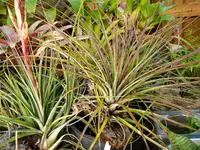
Mount plants on open wire, cork, or airy driftwood rather than in glass containers so moving air can dry leaves fully between misting and reduce rot risk when caring for Tillandsia schiedeana.

Correct mounting angle

Attach the plant so the base points slightly downward, which helps water run off the crown quickly and prevents moisture from collecting in the center after soaking or heavy misting.

Targeted cleaning

Every 1–2 months, gently rinse the leaves under lukewarm running water to remove dust and old salts from fertilizer, then shake off excess water to maintain efficient gas exchange.

Pup management

Once several pups form, leave at least 1–2 attached to build a fuller clump, but remove and remount others with a sterilized blade when they reach about one-third to one-half the size of the mother to keep air circulation good around the base.

Light acclimation

When moving the plant closer to a bright window or outdoors for summer, increase light in stages over 1–2 weeks to avoid leaf scorch, watching for pale or brown patches as a sign to pull back slightly.

Common Pests and Diseases

Scale insects

This pest attaches to the leaves and leaf bases, appearing as small brown or tan bumps and causing yellowing or stunted growth. Symptoms include sticky honeydew on leaves and sooty mold developing on the surfaces.

Solution

Remove visible insects with a cotton swab dipped in isopropyl alcohol and rinse the plant thoroughly with lukewarm water. Improve air movement, avoid fertilizer buildup, and repeat alcohol swabs or use a mild insecticidal soap spray every 7–10 days until no new scale appears.

Mealybugs

These insects hide in leaf bases and along the stem, forming white cottony clusters that weaken the plant over time. This pest feeds on plant sap, leading to slowed growth and deformed new leaves.

Solution

Isolate the affected plant, then flush thoroughly under running water to dislodge visible insects, paying attention to leaf axils. Spot-treat remaining colonies with isopropyl alcohol on a cotton swab and follow up with a light application of insecticidal soap, repeating weekly until no mealybugs are seen as part of consistent Tillandsia schiedeana care instructions.

Spider mites

These insects are tiny and often unnoticed until fine webbing and dull, speckled leaves appear. This pest thrives in hot, very dry indoor air and can quickly weaken small air plants.

Solution

Rinse the plant under a strong but gentle stream of water, focusing on the undersides of leaves to wash mites away. Increase humidity slightly, improve airflow, and apply a light insecticidal soap or neem-based spray, repeating every 5–7 days until webbing and speckling stop appearing.

Bacterial leaf spot

This disease causes water-soaked, translucent or dark spots on leaves that may enlarge and turn brown, starting from trapped moisture areas. Symptoms include soft tissue and a slight foul odor if infection is advanced.

Solution

Remove and discard badly affected leaves with sterilized scissors, then rinse the plant and allow it to dry completely within 3–4 hours after every watering or soaking. Improve air circulation, avoid standing water in leaf bases, and reduce soaking duration or frequency until new growth appears clean and unspotted.

Fungal crown rot

This disease develops when water remains trapped deep in the leaf bases for long periods, causing the central growth point to turn brown, soft, and eventually collapse. Symptoms include a mushy base and leaves that detach easily with a gentle tug.

Solution

At early stages, trim out affected soft tissue with sterile tools and let the remaining plant dry in a bright, airy spot, avoiding misting and long soaking. Prevent future cases by shaking excess water from the plant after soaking, ensuring it dries fully within a few hours, and mounting it so water naturally drains away from the center.

Interesting Facts

Spider-like growth form

This species develops many fine, arching leaves on slender stems, giving mature clumps a spider-like appearance that is much more open and wiry than many other air plants.

Ant-dispersed seeds

In parts of its native range, the seeds have a tuft of hairs that can catch on bark and also be moved by wind and small animals such as ants, helping the plant colonize new branches high in the canopy.

Temperature-tolerant epiphyte

Native populations occur from lowland coastal habitats to higher, cooler elevations, showing this species can tolerate a broad temperature range compared with several other epiphytic bromeliads.

Botan icon

Did you know?

In some regions of Mexico, large natural clumps of this species are a characteristic element of spiny dry forests, where they can form dense cushions on cacti and thorny shrubs, subtly influencing how much light and moisture reaches the host plant’s surface.

FAQs about Tillandsia schiedeana

Blooming usually follows maturity and stable conditions. Insufficient light intensity, irregular watering, or lack of airflow slows bud formation. Provide bright indirect light, consistent hydration with full drying between waterings, and good air movement to encourage flowering.

Grow Healthy Plants with Botan Care

Keep your plants happy and healthy with plant identification, disease detection, and easy care guidance.


Botan plant care app — identify plants on mobile

Explore More Plants