Pilea angulata Care

Pilea angulata

About Pilea angulata

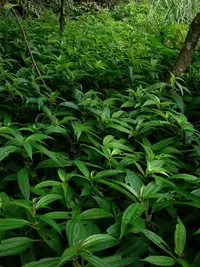
Pilea angulata is a small trailing herb from the nettle family, grown mainly as a foliage plant. It forms thin, hanging stems with many small, rounded to slightly angular leaves that create a delicate, textured mat of green. Flowers are tiny and not ornamental.

This species is native to tropical regions of Central and South America, where it grows in warm, humid, partially shaded habitats. It is generally considered easy to grow indoors if protected from cold, harsh sun, and very dry air.

Those looking to learn how to care for Pilea angulata should know it prefers bright, indirect light, lightly moist but not waterlogged soil, and good air circulation around its fine stems.

Main Plant Requirements

Care Difficulty

Moderate Care

Light Preference

Bright Indirect Light

Water Requirements

Moderate Water

Temperature Preference

Tropical / Frost Sensitive

Hardiness Zone

11–12

Soil Texture

Loamy, Organic-rich

Soil pH

Acidic (5.5–6.5), Slightly acidic (6.5–7.0)

Soil Drainage

Moist but well-drained

Fertilization

Light (every 4–6 weeks)

Get Personalized Care Plan

Scan your plant to receive care tips personalized for your specific plant

Available on iOS and Android

How to Care for the Pilea angulata

This trailing species prefers bright, indirect light with some protection from strong midday sun.

  • Provide 4–6 hours of bright, filtered light each day, such as near an east- or north-facing window or under light tree canopy outdoors.
  • Tolerates partial shade, but stems may stretch and leaves may shrink if light stays low for several weeks; move gradually to a brighter spot if this occurs for Pilea angulata.
  • Avoid harsh afternoon sun, especially behind glass; leaves may yellow, crisp at the edges, or develop pale patches when exposed to intense direct light.

This plant prefers lightly moist soil that dries slightly between waterings rather than staying wet.

  • Water when the top 2–3 cm of soil feel dry, using enough water so that excess drains away, then discard any runoff to protect the roots from stagnation.
  • In spring and summer, expect to water more often as growth and evaporation increase; in fall and winter, extend the interval once growth slows and the surface dries more slowly.
  • Watch for yellow, soft leaves and a musty smell as signs of overwatering, and for limp, curling, or dull leaves and very light pots or soil as signs of underwatering in Pilea angulata.

This species grows best in warm, stable conditions without exposure to frost or extreme heat.

  • Aim for 65–80°F (18–27°C) during active growth; short dips to 60°F (16°C) are usually tolerated but slow growth and can stress tender foliage.
  • Protect from cold below 55°F (13°C); prolonged exposure near 40°F (4°C) or any frost can cause leaf drop, blackened stems, and possible plant death.
  • In hot spells above 85°F (29°C), increase airflow and shade from intense sun to limit leaf scorch and wilting, and avoid placing the plant next to heaters, radiators, or cold drafts.

This species benefits from moderate to slightly high humidity for compact, healthy foliage.

  • Aim for 50–60% humidity; it tolerates short dips to 40% but may grow more slowly.
  • Dry air causes curled or crispy leaf edges and stalled new growth on Pilea angulata.
  • Increase humidity with grouped plants, a pebble tray kept below the pot base, or a small nearby humidifier.

Use a loose, airy mix that drains quickly yet retains light, even moisture.

  • Choose a fine-textured, peat- or coco-based mix amended with perlite for structure and moisture balance.
  • Ensure fast drainage by using roughly 60–70% potting mix with 30–40% perlite or fine bark chips.
  • Keep pH slightly acidic to neutral, around 6.0–7.0, which supports nutrient uptake and root activity.
  • Avoid heavy garden soil, compacted mixes, or pots that stay waterlogged, which encourage root rot and weak growth in Pilea angulata.

This plant is very suitable for container growing, especially for trailing or cascading displays.

  • Pick a shallow to medium-depth pot so the fine root system fills the space without staying wet at the bottom.
  • Use a container material that matches your watering habits, such as terracotta for quicker drying or plastic for slower moisture loss.
  • Support trailing stems by placing the pot on a shelf edge or hanging bracket so foliage can spread without kinking or breaking.

This trailing species stays compact and healthy with light, consistent feeding during active growth.

  • Use a balanced liquid fertilizer (such as 10-10-10 or 20-20-20) diluted to 1/4–1/2 strength for Pilea angulata.
  • Feed every 4–6 weeks in spring and summer when growth is active.
  • Skip or greatly reduce feeding in fall and winter, especially in low light.
  • Flush the pot with plain water every 2–3 months to limit salt buildup in the mix.

Pruning helps keep this mat-forming plant dense, tidy, and within its allotted space.

  • Best time is late winter to early spring, with light touch-ups through the growing season.
  • Use clean, sharp scissors to remove dead, yellowing, or damaged stems and leaves on Pilea angulata.
  • Shorten overly long, straggly runners to encourage branching and a fuller mat.
  • Trim crowded or inward-growing stems to improve air flow and reduce disease risk.

This species adapts well to containers and shallow hanging planters when repotted thoughtfully.

  • Repot every 1–2 years in spring when roots circle the pot, drainage slows, or growth declines.
  • Choose a shallow, wider container 2–3 cm larger, with good drainage and a light, peat-free indoor mix.
  • Water the plant a day before repotting, then gently loosen circling roots without tearing large sections.
  • After transplanting, water thoroughly, keep in bright indirect light, and avoid fertilizing for 2–3 weeks to limit stress.

This plant is commonly multiplied from stem cuttings, making it simple to share or thicken plantings.

  • Take 5–8 cm stem cuttings with 2–3 nodes in spring or early summer from healthy Pilea angulata shoots.
  • Remove lower leaves and place cuttings in moist, well-draining mix or water, keeping nodes below the surface.
  • Maintain bright, indirect light, high humidity (50–70%), and stable warmth around 70–75°F for rooting.
  • Transplant rooted cuttings carefully into small pots or back into the mother pot to create a denser mat.

This tropical species is not frost hardy and needs mild conditions through winter in most climates.

  • In regions below 50°F, grow Pilea angulata in containers and move indoors before night temperatures drop near 55°F.
  • Indoors, provide bright, indirect light and avoid cold drafts from windows or doors.
  • Allow the top of the potting mix to dry slightly more between waterings, as winter growth is slower.

Care Tips

Train trailing stems

Guide young stems along a trellis, hoop, or shelf edge using soft plant ties so the plant forms an even curtain of foliage instead of a tangled mass that shades itself.

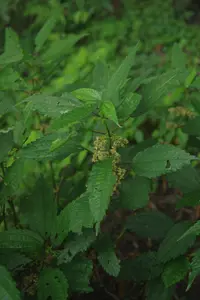
Encourage fuller growth

Pinch back the tips of long runners every 4–6 weeks during active growth to stimulate side shoots and create a denser mat, sterilizing scissors or pruners before each session.

Use shallow containers

Grow this species in wide, shallow pots or bowls to match its surface-rooting habit, which helps the plant spread more evenly and reduces the risk of soggy centers.

Refresh leggy sections

If older sections become bare or woody, take 5–8 cm tip cuttings, root them in the same potting mix, and replant into gaps to rejuvenate the overall planting.

Monitor under-leaf pests

Inspect the undersides of the small leaves and along stem joints every 1–2 weeks for early signs of spider mites or mealybugs, so any infestation can be treated promptly before it spreads when caring for Pilea angulata.

Common Pests and Diseases

Spider mites

This pest often appears on trailing stems grown in dry, warm indoor air, causing fine stippling and a dull, dusty look to the small leaves. Symptoms include tiny webbing on leaf nodes and gradual yellowing or bronzing of foliage.

Solution

Rinse stems and leaf undersides thoroughly with lukewarm water, then repeat every few days to break the life cycle; follow with a horticultural soap or neem oil spray if populations persist. Increase humidity around hanging baskets and avoid placing plants directly over heaters, since drier air strongly favors spider mite buildup in Pilea angulata indoor care conditions.

Mealybugs

These insects hide in leaf axils and along thin stems, forming white, cottony clumps that stunt new growth and cause distorted or yellowing leaves. This pest is more common on plants kept in crowded indoor collections with limited air movement.

Solution

Isolate the plant, then dab visible insects with cotton swabs dipped in 70% isopropyl alcohol and wipe down infested areas. Follow up with a light application of insecticidal soap every 7–10 days until no new mealybugs appear, and inspect neighboring plants to prevent reinfestation.

Southern blight

This disease, caused by soilborne fungi, can affect plants grown in warm, consistently moist media, leading to sudden wilting and collapse of stems near the soil line. Symptoms include tan lesions at the base of stems and sometimes white fungal growth with small, mustard-colored structures on the soil surface.

Solution

Remove and discard all affected plant material and the surrounding potting mix, then clean the container with a 10% bleach solution before repotting into fresh, well-draining medium. Reduce watering frequency, keep the soil surface slightly drier, and avoid reusing contaminated soil around other shade-loving Pilea specimens.

Bacterial leaf spot

This disease produces small, water-soaked spots on the thin leaves that turn brown with a yellow halo and may merge into larger patches. Symptoms include premature leaf drop, especially in plants kept in humid, poorly ventilated corners or under foliage-drenching mist.

Solution

Remove and dispose of affected leaves, avoid overhead watering, and space plants to improve airflow. Allow foliage to dry quickly, water at the base, and if the problem persists, consider discarding severely affected plants to limit spread to other houseplants.

Interesting Facts

Creeping forest understory

In the wild, Pilea angulata naturally creeps along the ground or over rocks in shaded tropical forest understories, forming low, mat-like patches rather than upright clumps.

Distinct angular stems

The species name angulata refers to its characteristically angled or slightly four-sided stems, which distinguish it from many other Pilea species with more rounded stems.

Minute, wind-dispersed seeds

It produces very small seeds that are easily dispersed over short distances, allowing the plant to slowly colonize moist crevices, rock walls, and the bases of larger plants in its native range.

FAQs about Pilea angulata

Brown leaf edges usually come from low humidity, excess fertilizer salts, or inconsistent watering. Flush the potting mix, trim damaged leaves, and stabilize your routine. Avoid hot, dry air from heaters or drafts nearby.

Grow Healthy Plants with Botan Care

Keep your plants happy and healthy with plant identification, disease detection, and easy care guidance.

Botan plant care app — identify plants on mobile

Explore More Plants