snow raspberry Care (Rubus nivalis)

Also known as: snow dwarf bramble, Snow Bramble
snow raspberry

About snow raspberry

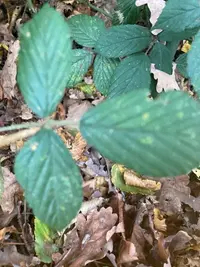
Snow raspberry, Rubus nivalis, is a low-growing, creeping bramble from cool, mountainous forests of western North America. It forms delicate mats with thin stems and small, glossy leaves.

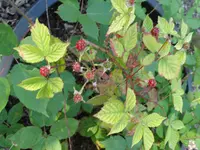
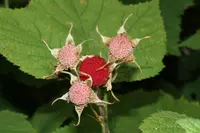
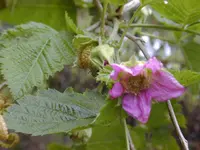
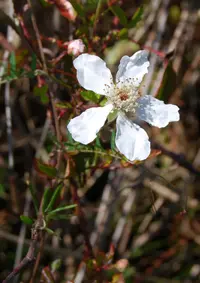
The plant produces small, pale pink to purple flowers that develop into bright red berries, which are edible but usually sparse. Its slow, ground-hugging growth habit makes it more suitable for cool, moist, woodland-style gardens than for high-yield fruit production.

Rubus nivalis prefers partial shade, consistently moist soil, and good drainage, so care for snow raspberry focuses on protecting it from heat and drought stress.

Main Plant Requirements

Care Difficulty

Moderate Care

Light Preference

Partial Shade

Water Requirements

Regular Water

Temperature Preference

Cold Hardy

Hardiness Zone

5–8

Soil Texture

Loamy, Silty, Organic-rich

Soil pH

Acidic (5.5–6.5), Slightly acidic (6.5–7.0)

Soil Drainage

Moist but well-drained

Fertilization

Minimal (feed rarely)

Get Personalized Care Plan

Scan your plant to receive care tips personalized for your specific plant

Available on iOS and Android

How to Care for the snow raspberry

This alpine shrub prefers cool, bright conditions with protection from harsh midday sun.

  • Provide 3–6 hours of morning sun or bright, dappled light; an east or light north-facing slope suits snow raspberry well.
  • Allow light partial shade in summer; in hotter areas, filter sun through shrubs or trees to prevent leaf scorch and dry, pale foliage.
  • In cooler climates, give slightly more direct sun in spring and fall, then increase shade as days lengthen and temperatures rise.

This ground-hugging bramble prefers consistently moist but not saturated soil.

  • Water when the top 2–4 cm of soil feel slightly dry, aiming for evenly moist soil down to root depth rather than surface dampness only.
  • Use humus-rich, well-drained soil so excess water runs off; soggy conditions cause yellowing leaves, limp stems, and root rot in Rubus nivalis.
  • During cool, wet seasons reduce supplemental watering, but in dry, hot spells increase checks for wilted tips, dry soil, and slow berry filling.

This species is adapted to cool, mountain-like conditions and tolerates significant winter cold.

  • Active growth is strongest at 55–70°F (13–21°C), with plants remaining comfortable up to about 75°F (24°C) if soil stays moist and shaded.
  • Dormant plants tolerate winter lows near 0°F (−18°C) under snow cover; brief dips slightly below are usually safe if roots are insulated.
  • Prolonged heat above 80°F (27°C) stresses plants, so provide shade and mulch to cool the root zone, and avoid hot, exposed sites in lowland areas.

This species prefers consistently moist air but usually does fine in typical outdoor humidity in cool climates.

  • Aim for 50–80% humidity, which is often met naturally in shaded woodland or coastal gardens.
  • Leaf edges browning or curling and slower growth can signal air that is too dry for snow raspberry.
  • In unusually dry or windy sites, increase humidity by mulching heavily and sheltering plants from direct drying winds.

Soil for Rubus nivalis should be cool, moist, and well-aerated to mimic its natural woodland habitat.

  • Use a loose, humus-rich loam with fine bark and compost to hold moisture while remaining friable.
  • Ensure drainage is moderate to fast; avoid compacted or waterlogged clay that can suffocate roots.
  • Target a slightly acidic to neutral pH around 5.5–7.0, adding leaf mold or pine fines if soil is alkaline.
  • Improve aeration and structure with 10–20% coarse sand or perlite in heavier soils to prevent saturation.

This species can be grown in containers if moisture and root space are carefully managed.

  • Choose a wide, shallow container to accommodate its creeping root system and stabilize spreading stems.
  • Use a heavier, non-tipping pot material such as ceramic if the plant is grown on an elevated surface or slope.
  • Fill with a moisture-retentive but fast-draining mix and raise the pot slightly on feet so drainage holes never sit in standing water.

Rubus nivalis is a low-feeding woodland bramble that benefits from light nutrition rather than heavy fertilization.

  • Apply a thin layer of compost or well-rotted leaf mold around the root zone once in early spring.
  • If needed, use a balanced slow-release fertilizer (around 10-10-10) at 1/2 strength at the start of the growing season.
  • Avoid midsummer and late-season feeding so growth can harden before winter dormancy.
  • On naturally rich, humusy soils, additional fertilizer is usually unnecessary when caring for snow raspberry.

Rubus nivalis responds well to light structural pruning aimed at removing weak growth and maintaining a low, healthy mat.

  • Carry out pruning in late winter or very early spring before new growth starts.
  • Cut out dead, diseased, or damaged stems at ground level using clean, sharp hand pruners.
  • Thin crowded or crossing stems to improve air flow and reduce fungal problems.
  • Trim back overly long canes slightly to maintain spread and encourage branching rather than height.

This creeping species is more often transplanted in the garden than kept long term in containers.

  • Plan transplanting for early spring or early fall when temperatures are mild and soil is moist.
  • Move plants if growth stalls, patches thin out, or roots form dense mats at the soil surface or container edge.
  • Lift clumps with a spade, keep as much root and attached soil as possible, and replant at the same depth.
  • Water well after transplanting, then keep soil evenly moist and shaded for 1–2 weeks to limit transplant shock.

Rubus nivalis is commonly propagated in gardens using division and layering of existing clumps.

  • Divide established patches in early spring, lifting and separating rooted sections with several healthy shoots.
  • Replant divisions into moist, humus-rich soil, firming gently and watering thoroughly to settle roots.
  • Use simple layering in spring or early summer by pegging flexible stems to the soil until they root.
  • Seed propagation is possible but slow and requires cold stratification, so gardeners mainly use vegetative methods.

This species is generally hardy in cold climates and needs only modest winter care in most outdoor plantings.

  • Tolerates typical garden frosts when planted in the ground in its suitable hardiness range.
  • Apply a 3–5 cm layer of organic mulch around the root zone in late fall, keeping it off stems.
  • Container-grown plants are more exposed; move them into a sheltered, unheated but frost-free spot if winters are severe.

Care Tips

Mulch For Coolness

Apply a 3–5 cm layer of fine bark or leaf mold around the plants to keep the shallow roots cool, conserve moisture, and suppress weeds without smothering new runners.

Encourage Ground Cover

Pin down naturally creeping stems with small U-shaped wire pins so they root where they touch the soil, creating a denser mat and improving slope stabilization.

Gentle Slope Placement

Plant on a slight slope or raised berm in high-rainfall areas to prevent waterlogging while still retaining consistent moisture in the root zone.

Targeted Pest Scouting

Inspect the undersides of leaves every 1–2 weeks in spring and early summer for aphids, spider mites, and cane borers, so any infestation is caught early and controlled with insecticidal soap or horticultural oil if needed.

Snow Cover Protection

In colder regions, allow natural snow cover to form over plants as insulation and avoid disturbing or clearing it, since exposed crowns can suffer from freeze–thaw damage when temperatures fluctuate while growing snow raspberry.

Common Pests and Diseases

Raspberry leaf spot

This disease causes small, circular tan to gray spots on leaves that may merge and lead to premature leaf drop, especially in dense, moist shade where Rubus nivalis is often grown.

Solution

Remove and discard infected leaves, thin surrounding vegetation to increase light and air movement, avoid overhead watering, and use a raspberry-safe fungicide labeled for leaf spot if the problem recurs in consecutive seasons.

Raspberry rust

This disease produces yellow to orange powdery pustules on the undersides of leaves, which can lead to yellowing and early defoliation in cool, moist conditions typical of woodland sites.

Solution

Prune out and destroy affected canes and leaves, keep foliage drier by watering at soil level, improve airflow around the plants, and apply a labeled rust fungicide early in the season if rust has been a recurring issue in the planting area.

Raspberry cane blight

This disease causes dark, sunken lesions on canes, often starting where stems were wounded or pruned, and can lead to dieback of whole shoots in snow raspberry colonies.

Solution

Cut out and remove infected canes down to healthy tissue, make pruning cuts during dry weather, disinfect pruners between cuts, and avoid high-nitrogen fertilization that promotes weak, overly lush growth susceptible to infection.

Aphids

These insects cluster on young stems and the undersides of leaves, sucking sap and causing curling, distortion, and sticky honeydew that can attract sooty mold on low, ground-hugging Rubus nivalis foliage.

Solution

Rinse colonies off with a firm stream of water, encourage or introduce natural predators such as lady beetles, remove heavily infested shoot tips, and if needed use an insecticidal soap or horticultural oil, making sure to coat the undersides of leaves.

Spider mites

This pest thrives in hot, dry pockets around plantings, causing fine speckling, dulling of leaves, and sometimes light webbing on the small, delicate foliage of snow raspberry.

Solution

Increase humidity around plants by light misting of surrounding air (not constantly soaking foliage), hose down the undersides of leaves to dislodge mites, reduce heat and dust around the patch, and apply horticultural oil or insecticidal soap if populations remain high despite washing and environmental adjustment.

Interesting Facts

Creeping alpine habit

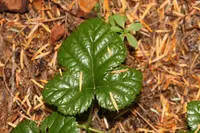
This species forms very low, creeping mats with slender, rooting stems that hug the ground in cool, moist mountain forests of the Pacific Northwest. Its growth rarely rises more than a few centimeters above the soil, which helps it withstand snow cover and cold winds.

Tiny paired leaflets

The leaves are divided into just 2 small leaflets, sometimes with a tiny third one, which is unusual in a genus better known for 3–5 larger leaflets. This delicate foliage gives the plant a fine-textured, almost fernlike appearance on the forest floor.

Small magenta flowers

The flowers are typically deep pink to magenta and quite small, usually solitary on thin stalks. They can be easily overlooked among mosses and understory plants, yet they provide nectar and pollen to small alpine insects.
Botan icon

Did you know?

Snow raspberry produces very small red aggregate fruits that are technically edible but usually sparse and seedy, so it is valued more as a groundcover for cool, shady gardens than as a fruit crop.

FAQs about snow raspberry

The fruits are edible and typically safe to eat when fully ripe, though they are small and not very abundant. As with any wild-type berry, introduce them gradually and avoid eating if sprayed with chemicals or contaminated.

Grow Healthy Plants with Botan Care

Keep your plants happy and healthy with plant identification, disease detection, and easy care guidance.

Botan plant care app — identify plants on mobile

Explore More Plants