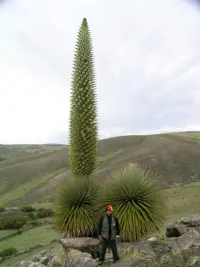
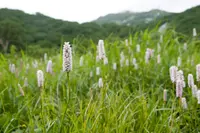
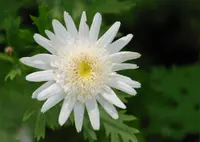
Anaphalis nepalensis Care

Anaphalis nepalensis

About Anaphalis nepalensis

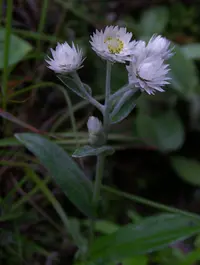
Anaphalis nepalensis is a small, herbaceous perennial in the daisy family, valued for its woolly gray-green foliage and long-lasting, papery white flower heads. It typically forms low clumps and sends up slender flower stems, creating a soft, textured look in rock gardens and alpine borders.

This species is native to mountainous regions of the Himalayas, where it grows in open, well-drained, often rocky habitats. Its origin in high-altitude environments makes it generally hardy, drought tolerant once established, and suited to poor soils.

Because of its toughness and modest size, many gardeners find it straightforward to care for Anaphalis nepalensis given full sun, lean soil, and good drainage.

Main Plant Requirements

Care Difficulty

Easy Care

Light Preference

Full Sun

Water Requirements

Low Water

Temperature Preference

Cold Hardy

Hardiness Zone

5–8

Soil Texture

Sandy, Loamy, Rocky

Soil pH

Acidic (5.5–6.5), Slightly acidic (6.5–7.0)

Soil Drainage

Well-drained

Fertilization

Minimal (feed rarely)

Get Personalized Care Plan

Scan your plant to receive care tips personalized for your specific plant

Available on iOS and Android

How to Care for the Anaphalis nepalensis

This mountain perennial prefers bright, open conditions with cool roots and good air movement.

  • Provide 6–8 hours of direct sun daily, ideally full morning sun with some light afternoon shade in hotter regions to prevent leaf scorch.
  • Plant in an open site rather than deep shade; it tolerates light or dappled shade, but flowering and compact growth decline when sun drops below about 4 hours.
  • In cooler climates it handles all-day sun, while in hot summers a position with filtered light after 2–3 p.m. reduces stress and premature browning.

This species prefers evenly moist but not wet soil, with short dry spells tolerated once established.

  • Allow the top 3–5 cm of soil to dry between waterings; in the ground this often means deeper but less frequent soaking rather than light surface sprinkling.
  • During active growth and flowering, water when foliage begins to lose slight firmness, and ensure soil drains freely to avoid standing water and root rot.
  • Reduce watering in fall and winter, especially in heavy soils, since persistent sogginess causes yellowing, weak stems, and possible loss of Anaphalis nepalensis plants.

This hardy perennial is adapted to cool, temperate conditions and tolerates significant winter cold.

  • Optimal growth occurs around 55–75°F (13–24°C), with stronger stems and better flowering in cooler parts of this range rather than sustained heat.
  • Mature plants typically survive down to about -10°F (-23°C) with good drainage; wet, poorly drained winter soil is more damaging than low air temperature.
  • In hot summers above 85°F (29°C), provide mulch to cool the root zone and consider light afternoon shade to limit heat stress and reduced flowering.

This species is adapted to dry, upland conditions, so humidity is rarely a concern.

This plant prefers lean, well-drained, mineral soils that mimic its native mountain habitats.

  • Use a sandy or gritty loam with 30–50% coarse sand or small gravel to prevent waterlogging.
  • Keep organic matter moderate; mix in limited compost (10–20%) to avoid overly rich, moisture-holding substrate.
  • Aim for slightly acidic to neutral pH around 6.0–7.2, avoiding very acidic or strongly alkaline soils.
  • Improve drainage and aeration in heavy ground by raising the planting area and incorporating sharp sand or grit thoroughly.

This species can be grown in containers if the pot is set up to drain quickly and stay relatively lean.

  • Choose a pot that is wider than deep to support its spreading clumps without keeping the root zone constantly wet.
  • Use unglazed clay pots to let extra moisture evaporate faster, which suits its preference for drier conditions.
  • Fill the container with a gritty mix and elevate the pot slightly so drainage holes never sit in collected runoff.

This alpine perennial stays compact and flowers well in lean soil, so use fertilizer sparingly for Anaphalis nepalensis.

  • Apply a light dressing of compost or well-rotted manure in early spring to support steady growth.
  • If using liquid feed, choose a balanced NPK fertilizer at 1/4–1/2 strength every 4–6 weeks during active growth.
  • Avoid high-nitrogen products, which encourage weak, floppy stems and fewer flowers.
  • Do not feed in late fall or winter, when the plant is dormant and nutrient demand is low.

Thoughtful pruning keeps Anaphalis nepalensis tidy and encourages fresh flowering growth.

  • In late winter or early spring, cut back old, dead stems close to the base using clean hand pruners.
  • Remove damaged or diseased shoots as soon as noticed to limit spread and improve airflow.
  • Thin crowded stems lightly to maintain a compact mound and reduce lodging in wind or rain.
  • Deadhead spent flower clusters during summer if a neater appearance is desired, leaving some for seed if needed.

This species is usually grown in the ground, but container plants or crowded clumps benefit from occasional transplanting.

  • Transplant or divide every 3–4 years in early spring or early fall, when temperatures are mild.
  • Look for signs such as roots circling the pot, water running off quickly, or declining vigor before moving plants.
  • Lift clumps carefully, tease apart roots by hand, and replant at the same depth in well-drained soil.
  • Water thoroughly after transplanting, then keep soil slightly moist for 1–2 weeks to reduce transplant shock.

Gardeners commonly renew Anaphalis nepalensis through division and seed for consistent, healthy stands.

  • Divide mature clumps in early spring, slicing sections with several shoots and healthy roots, then replant promptly.
  • Sow seeds in late winter to early spring on the surface of a free-draining mix, as light helps germination.
  • Maintain 60–70°F and lightly moist conditions until seedlings establish, then thin to avoid overcrowding.
  • Softwood stem cuttings in late spring can root in a sheltered, humid environment using a gritty, sterile medium.

This perennial is generally cold hardy in temperate climates and needs only modest winter care.

  • Tolerates typical frost in many regions, but extreme freezes may damage exposed shoots.
  • After hard frost, allow stems to die back, then cut them near the base in late winter or early spring.
  • Apply a 3–5 cm mulch layer around the root zone in colder areas, keeping material slightly away from crowns.
  • Move container plants to a sheltered, unheated area with good light to prevent rootball freezing and thaw cycling.

Care Tips

Pinch For Bushiness

Pinch out the soft shoot tips in late spring when stems are 8–10 cm tall to encourage low, branched growth and reduce lodging in windy sites.

Gravel Crown Mulch

Top-dress around the crowns with a 1–2 cm layer of fine gravel instead of organic mulch to keep the crown dry, reduce rot risk, and maintain good winter survival.

Wind-Resistant Staking

In exposed gardens, run a low ring of twine around a few discreet stakes rather than individual canes so the airy stems can lean together without snapping.

Timely Division

Divide clumps every 3–4 years in early spring, replanting only the youngest, firm outer sections to maintain vigor and flower density while discarding old, woody centers.

Harvesting For Drying

For long-lasting dried flowers, cut stems when most bracts are fully white but central florets are just starting to open, then hang small bunches upside down in a dry, shaded, well-ventilated place as part of caring for Anaphalis nepalensis.

Common Pests and Diseases

Powdery mildew

This disease causes a white to gray, powdery coating on leaves and stems, often appearing in late summer in humid but not overly wet conditions. Symptoms include distorted new growth and reduced vigor, especially in crowded plantings or in partial shade.

Solution

Remove and destroy the most affected leaves to reduce spore load, and thin surrounding vegetation to increase light and airflow. Avoid overhead watering, water at the base in the morning, and, if needed, apply a sulfur or potassium bicarbonate fungicide according to label directions as part of broader Anaphalis nepalensis care instructions.

Leaf spot

This disease produces small brown to tan spots on leaves that may enlarge and merge, sometimes with a darker border. Symptoms include premature yellowing and dropping of lower foliage, especially in prolonged wet or poorly ventilated conditions.

Solution

Prune and discard heavily spotted leaves, and avoid wetting the foliage by using drip or soaker hoses. Improve spacing and airflow, and if spotting progresses, use a copper-based or chlorothalonil fungicide labeled for ornamental perennials, following all safety directions.

Aphids

These insects cluster on tender stems and leaf undersides, sucking sap and excreting sticky honeydew that can attract sooty mold. This pest can cause curled or stunted new growth and may weaken flowering if populations are heavy.

Solution

Spray the plant with a firm jet of water to dislodge colonies, focusing on shoot tips and leaf undersides. If numbers remain high, use insecticidal soap or a ready-to-use neem oil product, applied in the early morning or late afternoon to avoid leaf burn and to protect beneficial insects.

Leaf miners

These insects create winding, pale tunnels inside leaves as larvae feed between the upper and lower leaf surfaces. Symptoms include serpentine trails and small blotches that can reduce the ornamental value of the foliage but rarely kill the plant.

Solution

Remove and dispose of mined leaves as soon as damage is seen to interrupt the life cycle. For repeated problems, use floating row covers over young plants early in the season or apply a systemic insecticide labeled for leaf miners to the soil, strictly following label instructions.

Rust

This disease produces small orange to brown pustules on the undersides of leaves, often with pale or yellow spots on the upper surface. Symptoms include gradual thinning of foliage and reduced flowering in severe or repeated infections.

Solution

Cut off and discard affected leaves and plant debris at the first sign of pustules to limit spread. Improve air circulation, avoid overhead watering, and consider a preventive fungicide such as a labeled triazole or strobilurin product on plants with a history of rust issues.

Interesting Facts

High-altitude specialist

This species is native to montane regions of the Himalayas and surrounding ranges, where it often grows on open, rocky slopes and grasslands at relatively high elevations in cool, sunny conditions.

Everlasting flower heads

Its small, white flower heads are surrounded by dry, papery bracts that keep their shape and color for a long time, which is why the plant is often described as an everlasting or paper daisy–type species.

Rhizomatous colony former

The plant spreads slowly via short rhizomes (underground stems), allowing it to form low, mat-like colonies that help stabilize thin, stony soils in its native habitats.

FAQs about Anaphalis nepalensis

The small white, papery flower clusters are rich in nectar and pollen, so they commonly attract bees, small solitary bees, and various butterflies. They suit pollinator-friendly, low-maintenance borders in sunny, well-drained sites.

Grow Healthy Plants with Botan Care

Keep your plants happy and healthy with plant identification, disease detection, and easy care guidance.

Botan plant care app — identify plants on mobile

Explore More Plants