Lycaste cruenta Care

Lycaste cruenta

About Lycaste cruenta

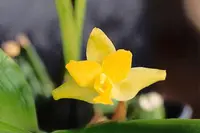
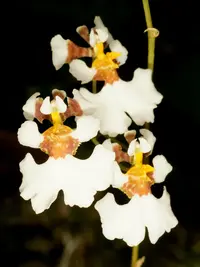
Lycaste cruenta is a medium-sized epiphytic or lithophytic orchid known for its striking waxy flowers, usually yellow to orange with a contrasting red blotch. It forms plump pseudobulbs with deciduous, pleated leaves that drop in the dry season, leaving a bare but still living plant.

In nature it occurs in seasonally dry, cool to mild forests of Central America, often growing on trees or rocks in filtered light. The species rewards consistent but attentive culture, as it dislikes extreme heat, stale air, or staying wet while leafless. Many growers find that once its seasonal rhythm is understood, it becomes a reliable orchid to care for Lycaste cruenta.


Main Plant Requirements

Care Difficulty

Hard Care

Light Preference

Bright Indirect Light

Water Requirements

Regular Water

Temperature Preference

Tropical / Frost Sensitive

Hardiness Zone

Unknown

Soil Texture

Peaty, Organic-rich

Soil pH

Acidic (5.5–6.5)

Soil Drainage

Moist but well-drained

Fertilization

Moderate (every 2–4 weeks)

Get Personalized Care Plan

Scan your plant to receive care tips personalized for your specific plant

Available on iOS and Android

How to Care for the Lycaste cruenta

This orchid prefers bright but softened light that mimics high-elevation forest edges.

  • Provide 4–6 hours of bright, indirect light daily, such as dappled shade under a tree or 30–50% shade cloth if grown outdoors.
  • Allow gentle early morning sun but protect Lycaste cruenta from strong midday and afternoon sun, which can scorch leaves and cause yellow patches or dry leaf tips.
  • In winter, move plants to a slightly brighter position to compensate for shorter days, but still avoid direct midday rays behind glass.

Watering should follow the plant’s growth cycle and the moisture level of its medium.

  • During active growth, water when the top 2–3 cm of medium feels dry, then soak thoroughly so excess drains away, avoiding any standing water around roots or pseudobulbs.
  • Reduce watering sharply in the rest period after flowering when leaves may drop, keeping the medium just barely moist to prevent pseudobulb shriveling but not wet.
  • Watch for soft, blackened roots or a sour smell as signs of overwatering, and for wrinkled pseudobulbs or dull, folding leaves as signs the plant is too dry.

Temperature should reflect a cool- to intermediate-growing orchid from mountain forests.

  • Aim for 60–75°F (16–24°C) by day and 50–60°F (10–16°C) at night during the main growing season for steady leaf and root development.
  • Protect the plant from temperatures below 40°F (4°C); Lycaste cruenta is not frost tolerant and can suffer tissue damage from even light freezes.
  • In hot spells above 85°F (29°C), increase shade and air movement and water earlier in the day to prevent heat stress and leaf scorch.

This orchid prefers consistently moist air and reacts quickly to low humidity.

  • Aim for 60–80% humidity, using a hygrometer to monitor levels around Lycaste cruenta.
  • Brown leaf tips, wrinkling pseudobulbs, and stalled buds indicate air that is too dry.
  • Increase humidity with grouped plants, a pebble tray under the pot, or a cool-mist humidifier while maintaining strong air movement.

This species grows best in a loose, airy orchid medium rather than standard potting soil.

  • Use a mix of medium bark, fine bark, and perlite or pumice to create a chunky, well-draining structure that still holds some moisture.
  • Aim for slightly acidic to neutral conditions, roughly pH 5.5–7.0, which supports nutrient uptake and root health.
  • Add a small amount of sphagnum moss around the roots if the environment is dry, keeping it loose so air can move freely.
  • Avoid dense peat-based mixes or garden soil that stay wet and compact, as these promote root rot and suffocation.

This species is very suitable for container growing due to its compact, sympodial growth habit.

  • Choose a wide, shallow pot that matches the spreading rhizomes, allowing new pseudobulbs room to develop horizontally.
  • Select a heavier clay or ceramic container to counterbalance tall flower spikes and reduce tipping risk.
  • Ensure numerous side and bottom drainage holes so irrigation water exits within seconds, preventing waterlogged orchid media.

Nutrient supply supports steady growth and flowering in Lycaste cruenta under cultivation.

  • Use a balanced orchid fertilizer (such as 20-20-20) diluted to 1/4–1/2 strength in low-salt water.
  • Feed every 2–3 weeks during active growth in spring and summer, when new pseudobulbs and roots develop.
  • In autumn, reduce feeding to monthly; in winter dormancy, pause fertilizer if the plant is not actively growing.
  • Flush the potting medium with plain water every 4–6 weeks to remove accumulated salts and prevent root burn.

Pruning is light and mainly hygienic for Lycaste cruenta, focusing on health rather than shaping.

  • Best timing is after flowering and when spent pseudobulb sheaths or flower spikes have dried fully.
  • Remove dead, yellowed, or rotting leaves and old flower spikes with sterilized scissors or pruning snips.
  • Trim only completely dry tissue close to the base to limit infection risk and preserve green, photosynthetic parts.
  • Discard any obviously diseased material and clean tools with alcohol between plants to reduce pathogen spread.

Container-grown plants benefit from thoughtful repotting to keep Lycaste cruenta roots healthy.

  • Repot every 2–3 years, or when roots circle the pot, medium breaks down, or growth becomes noticeably slower.
  • Best time is just as new root tips appear in late winter to early spring, before strong active growth.
  • Gently remove old medium, keep healthy roots intact, and trim only dead, mushy, or hollow roots with sterile tools.
  • Plant in a snug pot with fresh, free-draining orchid mix, then keep slightly shaded and evenly moist until established.

Propagation of Lycaste cruenta is usually done by division rather than from seed in home conditions.

  • Divide mature clumps in late winter or early spring, when new growth buds and roots start to emerge.
  • Select sections with at least 3–4 healthy pseudobulbs to provide stored energy for new shoots.
  • Use a sterile knife to separate divisions, dusting cut surfaces with fungicidal powder or ground cinnamon.
  • Pot divisions in slightly moist, airy orchid mix, maintain high humidity, and provide bright, indirect light for establishment.

Winter care matters because Lycaste cruenta is not tolerant of freezing conditions outdoors.

  • Keep temperatures above 50°F, ideally 55–65°F during rest, avoiding cold drafts and sudden temperature swings.
  • Move container plants indoors or into a frost-free greenhouse before the first frost risk in your area.
  • Allow a cooler, drier rest by slightly reducing watering, but do not allow pseudobulbs to shrivel severely.
  • Provide bright, indirect light and good air movement to prevent fungal problems during the cooler season.

Care Tips

Seasonal Rest Setup

Provide a distinct dry rest in winter by gradually reducing watering and fertilizer in late autumn and shifting the plant to a slightly cooler, brighter spot to promote strong new growth and reliable flowering the following season.

Pseudobulb Monitoring

Check pseudobulbs monthly; shallow wrinkles indicate mild dehydration and call for a slight watering increase, while deep shriveling suggests root problems that require inspection and possible repotting.

Targeted Air Movement

Use a small fan on a low, indirect setting to keep air moving around leaves and pseudobulbs, which reduces the risk of fungal spotting on this relatively thick-leaved orchid.

Flower Spike Protection

Support developing flower spikes with thin stakes and soft ties positioned early, keeping spikes away from cold windows or strong drafts to avoid bud blast and mechanical damage.

Repot After New Roots

Schedule repotting only when new roots are just emerging from the latest pseudobulb, since caring for Lycaste cruenta at this stage allows the plant to anchor quickly into fresh medium with minimal setback.

Common Pests and Diseases

Scale insects

This pest feeds on sap from pseudobulbs and leaves, causing yellowing, shriveling, and sticky honeydew on surfaces around the plant.

Solution

Remove visible scale manually with a cotton swab dipped in 70% isopropyl alcohol, then rinse the plant and improve air circulation; for persistent infestations, apply a horticultural oil or insecticidal soap, repeating every 7–10 days while monitoring new growth closely as part of Lycaste cruenta care instructions.

Spider mites

These insects thrive in warm, dry air and cause tiny yellow stippling, fine webbing on the undersides of leaves, and overall dull, stressed foliage.

Solution

Shower the plant thoroughly with lukewarm water to remove mites, increase humidity to 60–70%, and use insecticidal soap or a miticide labeled for orchids, repeating treatments until no new damage appears.

Soft rot (Erwinia)

This disease causes rapidly spreading, watery, foul-smelling rot on pseudobulbs and leaf bases, often starting at wounds or water-sitting points.

Solution

Cut out all affected tissue with a sterile blade, dust cuts with powdered cinnamon or a labeled bactericide, keep the plant much drier at the base, increase airflow, and avoid water sitting in leaf axils or crowns.

Leaf spot (fungal)

This disease produces brown to black spots or blotches on leaves, sometimes with yellow halos, especially under stale, humid conditions with poor airflow.

Solution

Remove and discard affected leaves, space plants for better air movement, water early in the day so foliage dries quickly, and use a broad-spectrum fungicide labeled for orchids if new spots continue to appear.

Mealybugs

This pest appears as white, cottony clusters around leaf bases, roots, and sheaths, sucking sap and weakening new growths and flower spikes.

Solution

Isolate the plant, wipe or rinse off visible mealybugs, treat leaf bases and pseudobulb crevices with 70% isopropyl alcohol on a cotton swab, and follow with repeated applications of insecticidal soap or systemic insecticide suitable for orchids until no new insects are seen.

Interesting Facts

Butter-colored floral wax

The flowers are notable for their thick, waxy texture and rich yellow color with a contrasting orange to red throat, which helps them stand out to pollinators in their native Central American habitats.

Deciduous orchid habit

Unlike many popular orchids, this species is seasonally deciduous, shedding its leaves during a dry rest period while surviving on its pseudobulbs, which store water and nutrients.

Cool-growing mountain native

This orchid naturally occurs in cooler, mid- to high-elevation cloud forests in Mexico and Central America, where it experiences bright light, strong diurnal temperature swings, and seasonally drier conditions.

Botan icon

Did you know?

This species was first described scientifically in the 19th century and remains a reference plant for studying waxy, cool-growing Latin American orchids, so many growers use Lycaste cruenta care instructions as a baseline when experimenting with related Lycaste species from similar elevations.

FAQs about Lycaste cruenta

Lack of flowering usually comes from insufficient light, too-warm or non-restful winter conditions, or an exhausted pseudobulb. Provide a cooler, drier rest period, steady but moderate feeding, and adequate seasonal light to trigger reliable blooms.

Grow Healthy Plants with Botan Care

Keep your plants happy and healthy with plant identification, disease detection, and easy care guidance.

Botan plant care app — identify plants on mobile

Explore More Plants