Hydnophytum formicarum Care

Hydnophytum formicarum

About Hydnophytum formicarum

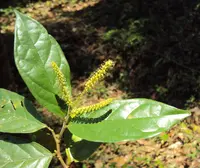
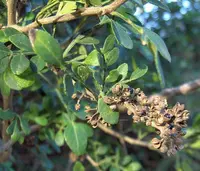
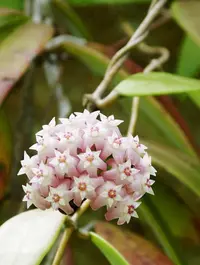
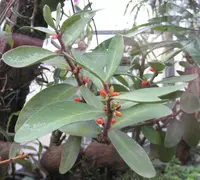
Hydnophytum formicarum, often called the ant plant, is a tropical epiphyte that naturally grows on trees in Southeast Asian forests. It forms a swollen, sculpted caudex with tunnels that shelter ants in the wild. The plant produces upright green shoots with small leaves and can stay compact, which makes it suitable for indoor collections. Its slow to moderate growth and tolerance of indoor temperatures make it manageable, but it dislikes extremes in dryness or overwatering. Bright, filtered light, moderate moisture, and an airy, well-drained substrate help owners care for Hydnophytum formicarum successfully.

Main Plant Requirements

Care Difficulty

Moderate Care

Light Preference

Bright Indirect Light

Water Requirements

Moderate Water

Temperature Preference

Tropical / Frost Sensitive

Hardiness Zone

11–12

Soil Texture

Sandy, Loamy, Organic-rich

Soil pH

Acidic (5.5–6.5), Slightly acidic (6.5–7.0)

Soil Drainage

Moist but well-drained

Fertilization

Light (every 4–6 weeks)

Get Personalized Care Plan

Scan your plant to receive care tips personalized for your specific plant

Available on iOS and Android

How to Care for the Hydnophytum formicarum

This ant-plant prefers bright, filtered light that mimics dappled tropical canopy conditions.

  • Provide 6–8 hours of bright, indirect light daily, such as near an east window or under light shade outdoors, to support compact growth.
  • Tolerates light morning sun but protect Hydnophytum formicarum from harsh midday or afternoon sun, which can scorch leaves and dry the caudex surface.
  • In lower light or during short winter days, move the plant closer to bright windows or supplement with grow lights to prevent leggy, weak growth.

Watering should keep the caudex hydrated without letting the roots sit in soggy conditions.

  • Allow the top 2–3 cm of the mix to dry before watering, then soak thoroughly so excess drains away, imitating brief tropical rains.
  • Reduce watering in cooler, low-light seasons, focusing on the caudex staying firm rather than following a fixed schedule.
  • Watch for overwatering signs such as yellowing, mushy stems or a soft caudex, and underwatering signs like wrinkling, lightweight pots, and drooping leaves.

Stable warm conditions support strong growth and reduce stress for this tropical epiphyte.

  • Aim for 70–80°F (21–27°C) during active growth, which matches its native lowland forest climate and promotes steady leaf and caudex development.
  • Protect from cold; growth slows below 65°F (18°C), and damage can occur under 55°F (13°C), especially to tender roots and new shoots.
  • Avoid frost and extreme heat; do not expose it to freezing temperatures, and provide shade and airflow if highs exceed 90°F (32°C) to prevent leaf scorch and stress.

This ant-plant prefers moderately humid air to keep its swollen caudex and foliage healthy.

  • Aim for 50–70% humidity, as very dry heated rooms often cause leaf edge browning and shriveling of new growth.
  • It tolerates short dry spells but prolonged humidity below 40% can lead to slow growth and increased mite problems.
  • Increase humidity with a nearby pebble tray or grouped plants rather than misting directly into the caudex cavities.

This species needs a very airy, fast-draining mix that mimics epiphytic conditions.

  • Use a coarse blend such as 40% fine orchid bark, 30% perlite or pumice, and 30% peat or coco coir for moisture retention.
  • Keep drainage rapid so water runs through within seconds, preventing the caudex and fine roots from sitting in soggy pockets.
  • Target a slightly acidic pH around 5.5–6.5, which suits Hydnophytum formicarum and supports nutrient uptake.
  • Avoid dense garden soil or mixes dominated by fine compost, which collapse, reduce aeration, and promote rot inside the caudex.

This species is well suited to container growing due to its compact caudex and modest root system.

  • Choose a wide, shallow pot to support the caudex and prevent tipping as the plant gains top growth.
  • Select a heavier material like ceramic or clay if the plant becomes top-heavy to improve stability on shelves or stands.
  • Ensure drainage holes stay unobstructed by using a coarse bottom layer so the airy mix does not clog outlets.

This ant-plant benefits from light, consistent feeding during active growth, but is sensitive to excess salts.

  • Apply a balanced liquid fertilizer (around 10-10-10 or similar) at 1/4–1/2 strength every 4–6 weeks in spring and summer.
  • Use soft or distilled water when mixing fertilizer to reduce salt buildup in Hydnophytum formicarum’s porous caudex.
  • Skip compost-heavy mixes that stay wet and instead use a low-salt, mineral-heavy, very free-draining substrate.
  • In fall and winter, feed at most once every 8–10 weeks or pause entirely if growth slows.

This species needs only light pruning to maintain shape and remove unhealthy tissue.

  • In late winter or early spring, remove dead, diseased, or damaged stems with sharp, disinfected scissors or snips.
  • Thin a few crowded side shoots to improve air flow and keep the natural, compact outline of Hydnophytum formicarum.
  • Avoid heavy cutting of the swollen caudex; limit pruning to soft green stems and spent flower or berry stalks.
  • After pruning, keep the plant in bright, indirect light and avoid overwatering to reduce stress on new cuts.

This epiphytic ant-plant prefers snug containers and infrequent repotting in a very airy mix.

  • Plan repotting every 2–3 years, or when roots circle the pot base, growth stalls, or the mix degrades and stays wet too long.
  • Best timing is mid to late spring, when Hydnophytum formicarum enters active growth and recovers faster from disturbance.
  • Use a shallow pot with large drainage holes and a chunky mix such as fine orchid bark, perlite, and a small amount of peat or coco coir.
  • Gently loosen circling roots without breaking the caudex, water lightly after potting, and keep in stable warmth for 1–2 weeks.

Propagation of this ant-plant is usually done from seed and is slow but achievable with stable warmth and moisture.

  • Collect ripe berries from Hydnophytum formicarum, clean off pulp, and sow fresh seeds on the surface of a sterile, fine, moist mix.
  • Keep seeds at 75–82°F with bright, indirect light and high humidity (60–80%) to encourage germination.
  • Cover lightly with a clear lid or bag for humidity, ventilate every few days, and keep the medium barely moist, not wet.
  • Leave seedlings in the same container until the small caudex forms, then transplant gently into a very free-draining mix.

This tropical epiphyte is frost tender and requires warm indoor conditions in regions with cool winters.

  • Move container plants indoors before temperatures drop below 55°F, as Hydnophytum formicarum is highly sensitive to cold.
  • Provide bright, indirect light and maintain 65–80°F with reduced watering to match slower growth.
  • Avoid cold drafts and unheated windowsills; keep the pot slightly elevated so the root zone does not sit on cold surfaces.

Care Tips

Support the caudex

Place the pot in a heavy cachepot or add a top layer of larger decorative stones so the swollen caudex is less likely to tilt or roll as it enlarges over time.

Protect hollow chambers

Avoid piercing, carving, or aggressively cleaning the caudex surface, since the interior is naturally hollow and mechanical damage can open it to rot and fungal infection.

Manage ant attraction

Grow the plant in a fine-mesh flyscreen cloche or keep it away from entry points if local ants are a problem, since nectar and cavities can encourage ant nesting indoors.

Use airy mounts

For advanced growers, mount the plant on cork or hardwood with a thick pad of sphagnum and a strap around the caudex, which improves airflow around the base and mimics its epiphytic growth habit.

Inspect interior openings

Regularly check natural pores and crevices on the caudex for mealybugs or scale and flush gently with a hand mister and, if needed, a cotton swab with alcohol to prevent pests from establishing in hidden chambers when caring for Hydnophytum formicarum.

Common Pests and Diseases

Scale insects

This pest attaches to stems and the caudex as small brown or tan bumps, feeding on sap and causing yellowing, stunted growth, and sticky honeydew. Symptoms include sooty mold growth on honeydew and a dull, unhealthy look to the plant surface.

Solution

Remove heavily infested stems or sections of the caudex surface with sterile tools, then gently wipe remaining insects off with cotton pads dipped in isopropyl alcohol. For ongoing Hydnophytum formicarum care instructions, repeat spot cleaning every 7–10 days and improve air circulation and light to support stronger growth and natural resistance.

Mealybugs

These insects appear as white, cottony clusters in stem crevices, on new shoots, and around the caudex base, sucking sap and weakening the plant. Symptoms include distorted new growth, sticky residue, and slowed development.

Solution

Isolate the plant, then use cotton swabs dipped in isopropyl alcohol to remove visible clusters, repeating weekly until no new insects appear. Increase light within the plant’s tolerance and avoid excess nitrogen fertilization, and if needed use a labeled insecticidal soap, applying carefully around crevices of the swollen caudex and stems.

Spider mites

This pest thrives in warm, dry indoor air and feeds on the undersides of leaves, causing fine stippling, dull foliage, and in severe cases fine webbing. Symptoms include slow decline and leaf drop if the infestation persists.

Solution

Rinse foliage and stems under a gentle stream of lukewarm water, paying attention to leaf undersides, then let the plant dry with good airflow. Raise humidity modestly to 40–60%, avoid placing the plant next to heating vents, and use a labeled miticidal or insecticidal soap spray on both leaf surfaces if the problem continues.

Soft rot (bacterial)

This disease affects the caudex and lower stems, causing soft, water-soaked, foul-smelling tissue that collapses when pressed. Symptoms include rapid wilting of the top growth and dark, mushy areas on the swollen base.

Solution

Immediately cut away all soft, discolored tissue with sterile tools, making clean cuts into firm, healthy tissue, and allow the wounds to dry in airy, bright shade for several days. Reduce watering significantly, ensure the potting mix drains very quickly, disinfect containers and tools, and avoid water sitting on wounds or in the central depressions of the caudex.

Leaf spot (fungal)

This disease shows as small brown or dark spots on leaves that may enlarge, sometimes with a yellow halo, especially under consistently humid, poorly ventilated conditions. Symptoms include premature leaf yellowing and drop when spotting becomes extensive.

Solution

Remove and discard affected leaves, then provide brighter indirect light, more airflow, and allow the foliage surface to dry between waterings by avoiding overhead watering. If spotting continues, apply a suitable fungicide labeled for ornamental foliage plants according to instructions, and ensure the plant is grown in a well-draining mix to prevent persistent humidity around the foliage and caudex.

Interesting Facts

Specialized ant chambers

This species develops a swollen, corky tuber called a caudex that is naturally hollowed by complex labyrinths of chambers and tunnels, which house ant colonies in the wild.

Nutrient recycling partnership

Ant waste and food debris accumulate in the internal chambers of the caudex, and the plant absorbs nutrients from this material through specialized tissues lining the cavity walls, improving growth in nutrient-poor habitats.

Epiphyte of coastal forests

In nature it commonly grows as an epiphyte on tree branches in lowland coastal and mangrove-associated forests of Southeast Asia, tolerating exposed positions that alternate between heavy rainfall and short dry spells.

Botan icon

Did you know?

Hydnophytum formicarum is part of a small group of so-called myrmecophytes, or ant plants, that evolved highly specialized structures to host ants, and its intricate internal tunnel patterns are so species-specific that botanists can often identify the plant by the architecture of the hollow caudex alone.

FAQs about Hydnophytum formicarum

This species adapts well to bright indoor spots and sheltered tropical or subtropical outdoor locations. In most temperate climates, Hydnophytum formicarum indoor care is more reliable because it avoids cold, wind, and heavy rain exposure.

Grow Healthy Plants with Botan Care

Keep your plants happy and healthy with plant identification, disease detection, and easy care guidance.

Botan plant care app — identify plants on mobile

Explore More Plants