Tillandsia lajensis Care

Tillandsia lajensis

About Tillandsia lajensis

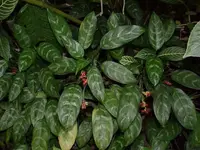
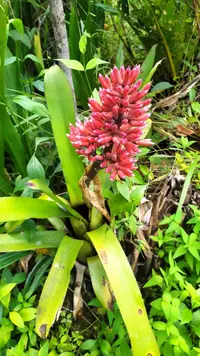
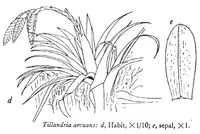
Tillandsia lajensis is a small epiphytic air plant that naturally anchors to rocks or tree branches instead of growing in soil. It belongs to the bromeliad family and forms compact rosettes of narrow, often silvery leaves.

This species is native to specific highland areas in Latin America, where it experiences bright light, good air movement, and periodic moisture from mist or rain. Its ability to absorb water and nutrients through specialized leaf scales makes it relatively undemanding once its light and airflow needs are met.

For those learning how to care for Tillandsia lajensis, the key traits are its slow growth, moderate drought tolerance, and preference for bright, indirect light with regular but quick-drying moisture.

Main Plant Requirements

Care Difficulty

Moderate Care

Light Preference

Partial Shade

Water Requirements

Moderate Water

Temperature Preference

Warm Climate

Hardiness Zone

Unknown

Soil Texture

Rocky, Sandy, Organic-rich

Soil pH

Acidic (5.5–6.5)

Soil Drainage

Well-drained

Fertilization

Minimal (feed rarely)

Get Personalized Care Plan

Scan your plant to receive care tips personalized for your specific plant

Available on iOS and Android

How to Care for the Tillandsia lajensis

This species prefers bright, filtered light that mimics high, open canopy conditions.

  • Provide 4–6 hours of bright, indirect light daily, such as dappled sun under a tree or shaded greenhouse conditions for Tillandsia lajensis.
  • Allow gentle morning sun but shield from strong midday and afternoon sun, which can scorch leaves and cause bleaching or crisp brown patches.
  • In summer, move plants slightly deeper into shade; in winter, increase exposure by reducing shading cloth or moving closer to bright windows without direct midday sun.

Watering focuses on thorough wetting followed by complete drying of the plant surfaces.

  • Soak or thoroughly mist the plant 2–3 times per week in warm, dry weather, allowing all leaves to dry fully within 4 hours to prevent rot.
  • In cooler or very humid conditions, reduce to 1–2 thorough waterings per week and rely more on light misting between soakings if leaf tips start to curl inward.
  • Signs of overwatering include soft, collapsing bases and a musty smell; underwatering shows as curling, brittle leaf tips and a dull gray appearance in Tillandsia lajensis.

Temperature control is important for steady growth and prevention of cold damage.

  • Aim for 65–80°F (18–27°C) during active growth, which supports good moisture use and leaf health without stressing the plant.
  • Short exposures down to about 40°F (4°C) may be tolerated if the plant is dry, but growth slows and repeated chills increase rot risk.
  • Avoid frost and extreme heat above 95°F (35°C); provide shade and extra airflow in hot spells and move plants to shelter before nights near freezing.

This epiphytic species prefers moderate to high humidity but adapts to typical indoor conditions if watered correctly.

  • Aim for 50–70% humidity, providing more frequent misting or soaking when room air drops below 40%.
  • Tolerates drier air if light is bright and hydration is regular; leaf tips browning or curling indicate humidity stress or under-watering.
  • Increase humidity by grouping air plants, placing them near (not on) a humidifier, or setting them above a pebble tray without letting water touch the plant.

Tillandsia lajensis does not grow in soil and instead anchors to surfaces while absorbing water and nutrients through its leaves.

  • Avoid potting mixes, peat, or any dense medium; trapped moisture around the base increases rot risk and blocks air flow.
  • Mount on inert, well-ventilated materials such as cork bark, driftwood, or open metal or plastic frames that allow air to circulate freely.
  • Use a small amount of waterproof, non-toxic adhesive or soft wire only at the base, keeping leaves and central rosette completely unobstructed.
  • If placed in a decorative container, keep the plant resting loosely on dry gravel, shells, or stones so air reaches all sides and no water collects at the base.

This air plant is suitable for decorative containers as long as air circulation and rapid drying are maintained.

  • Choose open containers such as mesh holders, open terrariums, or shallow bowls that allow air movement around all sides of the plant.
  • If using glass, prefer wide openings and avoid deep vessels that trap humidity and slow drying after soaking or misting.
  • Stabilize larger specimens with small stones or wire supports so the plant does not shift and damage its base during watering or handling.

This epiphytic air plant has modest nutritional needs but benefits from light feeding in active growth.

  • Use a low-dose, balanced NPK orchid or air-plant fertilizer diluted to 1⁄4–1⁄2 strength in water.
  • Mist Tillandsia lajensis every 2–4 weeks in spring–summer, ensuring solution reaches leaf surfaces.
  • Skip feeding for 1–2 weeks after mounting or disturbance to limit stress.
  • Reduce fertilization to monthly or stop entirely in fall–winter, especially in low light.

Pruning focuses on hygiene and appearance rather than size control for this slow-growing air plant.

  • In late winter or after flowering, remove dry leaf tips and fully dead leaves with clean scissors.
  • Cut spent flower spikes at the base once they turn brown to direct energy to new offsets.
  • Gently twist away loose, decayed foliage instead of tearing attached healthy tissue.
  • Limit removal to clearly dead or damaged parts so the clump form and future blooming are not reduced.

This air plant is usually mounted rather than potted, so transplanting means resetting its support when needed.

  • Remount when the clump outgrows its support, becomes unstable, or air circulation is clearly reduced.
  • Choose late spring–early summer for remounting, when growth and recovery are strongest.
  • Moisten the plant first, then gently detach it, keeping the basal area and any visible roots intact.
  • Attach to new cork, wood, or mesh using soft ties or non-rusting wire, avoiding tight pressure that crushes tissues.

Propagation of this species is most reliable by offsets rather than by seed for home growers.

  • Allow pups to reach about 1⁄3–1⁄2 the size of the parent Tillandsia lajensis before separating.
  • Choose late spring–summer for division, when warmth and light support new root and leaf growth.
  • Gently twist or cut pups away at the base with a sterile blade, keeping their cores intact.
  • Place divisions in bright, indirect light with good air flow and maintain consistent light misting until established.

This subtropical air plant is not frost hardy and needs protection in cold climates.

  • Keep temperatures above 45–50°F; extended exposure below this can damage foliage.
  • Move outdoor or mounted plants indoors to a bright, airy spot before first frost.
  • Avoid placing near heating vents; dry, hot air desiccates leaves in winter.
  • Reduce watering but maintain occasional misting so the plant does not stay wet and cold for long periods.

Care Tips

Optimized mounting

Attach plants to hardwood, cork, or inert rock using waterproof glue or soft wire, leaving the base open to air so the roots can anchor and stabilize the plant without trapping moisture against it.

Efficient air circulation

Place plants where there is gentle, regular airflow from a fan or open window so the leaves dry within 1–3 hours after misting or soaking, which greatly reduces rot risk in dense leaf clusters.

Targeted pest checks

Inspect the leaf bases and inner rosettes every 2–3 weeks with a bright flashlight to catch early mealybug or scale infestations, and spot-treat with diluted isopropyl alcohol on a cotton swab while keeping liquids out of the crown center.

Seasonal light adjustment

Shift plants slightly farther from strong south- or west-facing windows in summer and closer in winter to keep light levels high without exposing the foliage to intense, leaf-scorching midday sun.

Hydration travel strategy

Before trips longer than 5–7 days, give plants a long soak, shake off excess water, then place them in a bright, airy spot away from direct sun so they dry fully but retain enough internal moisture to bridge your absence when caring for Tillandsia lajensis.

Common Pests and Diseases

Mealybugs

This pest hides in leaf bases and along the sheaths, sucking sap and weakening the rosette over time. Symptoms include white cottony clusters, sticky honeydew, and slow growth.

Solution

Isolate the plant, then physically remove visible insects with a cotton swab dipped in isopropyl alcohol, taking care to reach deep between the leaves. Rinse the plant thoroughly with lukewarm water, improve air movement and light, and repeat spot treatments weekly until no new insects appear; for large infestations, use a diluted insecticidal soap spray and allow the plant to dry quickly afterward.

Scale insects

These insects form small, hard or waxy bumps on leaves and along the base, feeding on plant sap and causing yellowing or dull patches. Symptoms include sticky residue and sometimes sooty mold on nearby surfaces.

Solution

Manually remove scales with a soft brush or toothpick, then wipe affected areas with diluted alcohol or insecticidal soap, keeping the solution off the trichomes as much as possible. After treatment, rinse the plant with clean water, increase air circulation, and repeat inspections and spot cleaning every 7–10 days until infestation is controlled.

Fungal leaf spot

This disease leads to small water-soaked specks that expand into brown or black spots, often starting where water sits in low-light, stagnant conditions. Symptoms include irregular lesions that may coalesce and cause localized tissue collapse.

Solution

Remove severely spotted leaves or trim affected sections with sterile scissors, then improve airflow, reduce prolonged wetting, and avoid misting in low light. If spotting continues, apply a light, air plant–safe fungicidal spray, allow the plant to dry quickly, and maintain a schedule of thorough wetting followed by complete drying.

Bacterial soft rot

This disease causes mushy, foul-smelling tissue starting deep in the leaf base where water remains trapped, leading to rapid collapse of the central rosette. Symptoms include translucent, water-soaked leaves that detach easily at the base.

Solution

Isolate the plant immediately, cut away all soft or discolored tissue with sterile tools, and discard severely affected plants that have lost the central growth point. To prevent recurrence, always drain the plant upside down after soaking or heavy watering, provide strong airflow, and avoid keeping water trapped in the crown for more than a few minutes.

Interesting Facts

Cloud forest specialist

This species is native to humid montane cloud forests of central Mexico, where it grows epiphytically on trees in cool, misty conditions with strong air movement.

Distinctive inflorescence form

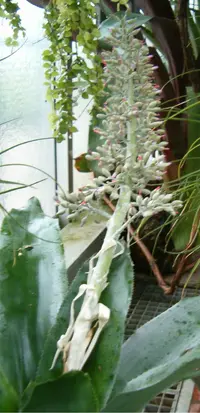
It produces a compact, often slightly arching inflorescence with closely arranged floral bracts, a structure used by botanists to distinguish it from visually similar Mexican Tillandsia species.

Limited geographic range

Known wild populations are restricted to a relatively narrow elevational band in specific mountain regions of Mexico, so botanists consider it a geographically localized air plant compared to more widespread relatives.

FAQs about Tillandsia lajensis

Brown tips usually indicate low humidity, strong direct sun, or underwatering, while browning at the base often points to rot from staying wet too long and poor air movement. Remove damaged tissue and correct conditions promptly.

Grow Healthy Plants with Botan Care

Keep your plants happy and healthy with plant identification, disease detection, and easy care guidance.

Botan plant care app — identify plants on mobile

Explore More Plants