Eastern Alkanet Care (Anchusa aegyptiaca)

Eastern Alkanet

About Eastern Alkanet

Eastern alkanet (Anchusa aegyptiaca) is a sun-loving, short-lived perennial or biennial from arid and semi-arid regions of North Africa and the Middle East. It forms low, branching clumps with narrow, often rough-textured leaves.

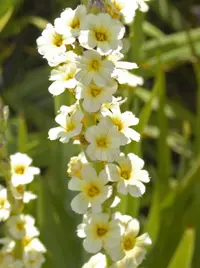
The plant produces small, vivid blue flowers that attract bees and other pollinators, usually in loose clusters along its stems. It often grows in dry, rocky, or sandy soils, showing good tolerance to heat and drought.

Anchusa aegyptiaca generally suits gardeners in dry or Mediterranean-style climates and can be less reliable in cool, wet regions. Those who care for Eastern Alkanet should note its preference for full sun, well-drained soil, and relatively low moisture once established.

Main Plant Requirements

Care Difficulty

Moderate Care

Light Preference

Full Sun

Water Requirements

Low Water

Temperature Preference

Warm Climate

Hardiness Zone

8–11

Soil Texture

Sandy, Loamy, Rocky

Soil pH

Slightly acidic (6.5–7.0), Neutral (7.0)

Soil Drainage

Well-drained

Fertilization

Minimal (feed rarely)

Get Personalized Care Plan

Scan your plant to receive care tips personalized for your specific plant

Available on iOS and Android

How to Care for the Eastern Alkanet

This sun-loving perennial thrives in bright, open sites for dense growth and heavy flowering.

  • Provide 6–8 hours of direct sun daily; morning to early afternoon sun is ideal for strong stems and abundant blooms.
  • It tolerates light afternoon shade, especially in hotter regions, which helps reduce leaf scorch and water stress in Eastern Alkanet.
  • In cool, cloudy seasons, choose the brightest, unobstructed spot; in very hot summers, protect from intense late-afternoon sun to prevent wilting.

This drought-tolerant species prefers infrequent, deep watering once established.

  • Allow the top 5–7 cm of soil to dry before watering; soil should feel dry and crumbly rather than cool and moist to the touch.
  • Use fast-draining, sandy or rocky soil so water does not pool around the roots, which would increase the risk of rot in Anchusa aegyptiaca.
  • In spring and early summer, water after prolonged dry spells; in cooler seasons, reduce watering, watching for drooping leaves as a sign of underwatering.

This plant is adapted to warm, dry climates and copes well with summer heat when soil drainage is good.

  • Optimal growth occurs around 65–80°F (18–27°C), especially during the main growing and flowering period.
  • Mature plants can tolerate brief dips to about 20–25°F (-6 to -4°C), but young plants are more sensitive and benefit from protection during hard frosts.
  • In hot regions, it handles highs of 90–100°F (32–38°C) if soil is not waterlogged; combine heat with full sun and poor drainage, and stress or decline is likely.

This species handles low atmospheric moisture and usually does not need special humidity management.

  • Target 30–50% humidity, similar to most heated or air‑conditioned homes, without deliberate humidification.
  • Dry indoor air rarely harms Eastern Alkanet, but combine low humidity with strong heat only if soil moisture is consistent.
  • If leaf tips brown while soil is moist and light is intense, slightly raise humidity by grouping pots or placing a shallow water tray nearby.

Anchusa aegyptiaca prefers mineral, free‑draining soil that mimics its native dry habitats.

  • Use a sandy or gritty loam with 30–50% coarse sand or fine gravel to keep water moving away from the crown.
  • Aim for slightly alkaline to neutral pH, around 7.0–8.0, avoiding strongly acidic mixes that can weaken growth.
  • Mix a small amount of compost into a mainly mineral substrate to add nutrients without making the soil heavy or waterlogged.
  • Avoid dense clay, peat‑heavy, or compacted mixes; add coarse sand or perlite to improve aeration and reduce root rot risk.

This species can be grown in containers if the pot is configured to stay sharply drained and stable.

  • Choose a deep pot that allows the taproot to extend downward, which supports stronger top growth and flowering.
  • Use a heavy, wide‑based container or weight the base with gravel to prevent tipping as the plant becomes bushy.
  • Line the bottom with a thin layer of coarse grit above the drainage holes to prevent mix clogging while keeping runoff fast.

Anchusa aegyptiaca grows best in lean, well-drained soil and needs only modest feeding.

  • Apply a light top-dressing of compost in early spring to support new growth.
  • Use a balanced, slow-release fertilizer (around 10-10-10) once at the start of the growing season if soil is poor.
  • Dilute liquid feed to 1/2 strength and use only if foliage looks pale or growth is weak.
  • Avoid feeding in late fall and winter to prevent soft, frost-sensitive growth when caring for Eastern Alkanet.

Pruning Anchusa aegyptiaca helps maintain a compact shape and encourages repeat flowering.

  • Cut back spent flower stems in late spring and summer to promote further blooms.
  • Remove dead, damaged, or diseased foliage at any time using clean, sharp hand pruners.
  • Thin overcrowded stems lightly to improve air circulation and reduce mildew risk.
  • Shear plants back by about 1/3 after main flowering to refresh growth and tidy the clump.

This species is usually grown in the ground, so focus on careful transplanting rather than frequent repotting.

  • Transplant young plants in early spring or fall when temperatures are mild and soil is workable.
  • Choose a sunny site with well-drained, moderately poor soil, avoiding spots that stay wet in winter.
  • Move container-grown plants only when roots circle the pot or growth declines, generally every 2–3 years.
  • Water thoroughly before and after transplanting, then shade lightly for a few days to reduce root stress.

Anchusa aegyptiaca is most often propagated from seed, with some growers also using division.

  • Sow fresh seeds in late summer or early fall in trays of gritty, well-drained mix.
  • Keep seed trays lightly moist and cool; germination is quicker with good light and 60–70°F temperatures.
  • Transplant seedlings when they have several true leaves, handling the taproot gently to avoid damage.
  • Divide established clumps in early spring, replanting divisions promptly and watering well until established.

Anchusa aegyptiaca is fairly hardy in mild climates and usually needs only light winter preparation.

  • In zones with frost, apply a 5–8 cm layer of dry mulch around the crown after the first hard frost.
  • Ensure soil drainage is good; winter wet is more damaging than cold for this species.
  • Cut back dead stems in late winter, leaving some stubble to mark plant locations in mixed borders.
  • For container plants in colder regions, move pots to a sheltered, unheated but frost-free area.

Care Tips

Encourage Basal Clumps

Pinch back the first tall flowering stems by 1/3 in early growth to encourage denser basal foliage and more branching, which helps the plant better withstand wind and heat in open sites.

Deep Root Establishment

During the first growing season, give the plant a single deep soak before forecast dry spells instead of frequent light watering, which promotes a deeper taproot and improves long-term drought resilience when growing Eastern Alkanet.

Gravel Surface Mulch

Apply a 1–2 cm layer of coarse grit or pea gravel around the crown instead of organic mulch to keep the root neck dry, reduce rot risk, and provide better drainage in winter and during heavy rain.

Targeted Deadheading

Remove spent flower spikes down to the first strong side shoot as soon as petals fade to extend the flowering period and prevent excessive self-seeding that can exhaust the plant.

Dry-Site Wintering

In regions with wet winters, slightly mound the planting area and avoid low spots so excess water runs off the root zone, which significantly reduces crown and root rot in this xeric-adapted species.

Common Pests and Diseases

Powdery mildew

This disease often appears in warm, dry weather when foliage is dense and airflow is poor. Symptoms include white, floury patches on leaves and stems that can cause yellowing and reduced vigor.

Solution

Improve air circulation around plants, avoid overhead watering, and thin crowded growth if possible. Remove heavily infected leaves and apply a sulfur or potassium bicarbonate-based fungicide labeled for ornamental plants if the problem persists.

Rust

This disease develops in humid conditions and is favored by splashing water on foliage. Symptoms include orange, brown, or rust-colored pustules on the undersides of leaves that may lead to premature leaf drop.

Solution

Remove and destroy affected leaves promptly and avoid wetting the foliage when watering. Increase spacing and airflow, and if needed use a copper-based or other labeled rust fungicide, following label directions carefully.

Leaf spot

This disease is encouraged by prolonged leaf wetness and stress from poor site conditions. Symptoms include small brown to dark purple spots on leaves that may merge into larger blotches and cause partial defoliation.

Solution

Water at soil level to keep foliage dry and clear plant debris from around the base. Prune out badly affected material and, in persistent cases, use a broad-spectrum ornamental foliar fungicide according to the product label.

Aphids

These insects cluster on young stems and flower stalks, sucking sap and excreting sticky honeydew that can attract sooty mold. This pest can distort new growth and weaken flowering shoots.

Solution

Dislodge colonies with a strong stream of water and encourage natural predators such as lady beetles by avoiding broad-spectrum insecticides. For heavier infestations, use insecticidal soap or a light horticultural oil, coating stems and leaf undersides thoroughly.

Leaf-mining larvae

This pest consists of small fly or moth larvae that tunnel inside the leaves. Symptoms include pale, winding mines or blotches between leaf surfaces, which can reduce photosynthesis and make plants look unsightly.

Solution

Remove and destroy mined leaves as soon as damage appears to interrupt the life cycle. In beds with recurring problems, consider using floating row covers early in the season and, if needed, apply a systemic insecticide labeled for leaf miners, timed to target newly hatched larvae.

Interesting Facts

Desert annual strategy

This species behaves as a short-lived annual in arid regions, germinating and completing its life cycle quickly after seasonal rains before summer heat and drought return.

Bristly protective hairs

Its leaves and stems are covered with stiff bristly hairs, which help reduce herbivory and limit water loss by slightly shading the leaf surface in the desert sun.

Blue flowers in dry habitats

The plant produces vivid blue tubular flowers even in poor, sandy, and rocky soils, providing an important nectar source for pollinating insects in otherwise sparse desert vegetation.

FAQs about Eastern Alkanet

This species is very attractive to pollinators. Its nectar-rich blue flowers draw many bees and small butterflies, especially in warm, dry weather. Planting several together creates a useful forage patch in wildlife-friendly gardens.

Grow Healthy Plants with Botan Care

Keep your plants happy and healthy with plant identification, disease detection, and easy care guidance.

Botan plant care app — identify plants on mobile

Explore More Plants