Pinch For Bushiness
Pinch out the soft tips of young shoots every 3–4 weeks during active growth to encourage a denser, more compact plant with more foxtail-like flower spikes.

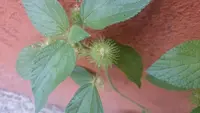
Foxtail copperleaf, Acalypha alopecuroidea, is a warm-climate shrub or subshrub grown mainly for its narrow, cylindrical flower spikes that resemble soft, upright foxtails. The foliage is usually green to bronze-green, creating a simple background that highlights the showy inflorescences.
This species occurs naturally in tropical and subtropical regions of the Americas, often in open or disturbed sites. It tends to grow quickly in warm conditions, which makes it relatively easy to manage where temperatures stay mild.
It responds well to regular moisture, free-draining soil, and bright light, but usually tolerates short periods of stress better than many ornamental tropicals. Understanding how to care for foxtail copperleaf mainly involves providing warmth and avoiding waterlogged soil.

Care Difficulty
Moderate Care

Light Preference
Partial Sun

Water Requirements
Moderate Water

Temperature Preference
Tropical / Frost Sensitive

Hardiness Zone
10–11

Soil Texture
Sandy, Loamy, Organic-rich

Soil pH
Acidic (5.5–6.5), Slightly acidic (6.5–7.0)

Soil Drainage
Moist but well-drained

Fertilization
Light (every 4–6 weeks)
Scan your plant to receive care tips personalized for your specific plant
Available on iOS and Android
This species prefers bright outdoor conditions with protection from harsh extremes.
This plant likes consistently moist but not waterlogged soil.
This warm-climate shrub grows best where temperatures stay mild to hot most of the year.
This species prefers moderate ambient humidity and reacts if air stays very dry for long periods.
Acalypha alopecuroidea grows best in loose, moisture-retentive yet freely draining soil.
This species adapts well to container growing when the pot supports its fast, shrubby habit.
This species benefits from light, consistent feeding during its warm growing season.
Pruning helps Acalypha alopecuroidea maintain a compact, bushy form and encourages fresh foliage.
This plant handles transplanting well if moved during warm, stable weather and roots are disturbed gently.
Acalypha alopecuroidea is most often propagated from softwood or semi-ripe stem cuttings taken in warm weather.
This warmth-loving species has low frost tolerance and needs protection in regions with cold winters.

Plant Health Check
Not sure what's wrong with your plant? Check your plant's health inside the app.
This species produces narrow, cylindrical flower spikes that resemble a fox’s tail, each densely packed with tiny, petal-less flowers typical of the Euphorbiaceae family.
The plant is native to tropical regions of the Americas, where it grows as a low shrub or herb in open, disturbed sites such as roadsides and field margins.
Like many members of its genus, this species bears unisexual flowers, meaning individual flowers are either male or female, often arranged along the same elongated inflorescence.
This species forms clumps and can self-seed in suitable climates, but it is not typically considered aggressively spreading. Occasional thinning or removal of unwanted seedlings keeps it in bounds among other ornamental plantings.
Keep your plants happy and healthy with plant identification, disease detection, and easy care guidance.