Virginia snakeroot Care (Aristolochia serpentaria)

Virginia snakeroot

About Virginia snakeroot

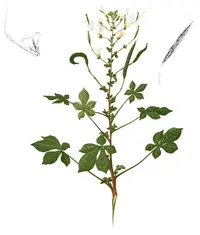
Virginia snakeroot (Aristolochia serpentaria) is a small, herbaceous perennial native to woodland habitats in eastern North America. It typically grows in partial shade under deciduous trees. The plant has slender, often zigzag stems with heart-shaped to lance-shaped leaves and small, curved, pipe-like flowers that are usually hidden near the base of the plant. Its growth is modest and somewhat slow, forming loose clumps rather than dense colonies. Virginia snakeroot can be challenging to grow, as it dislikes disturbance, needs consistent moisture, and responds poorly to compacted or very dry soils. Gardeners who want to care for Virginia snakeroot should try to mimic a cool, humus-rich woodland floor with dappled light and good drainage.

Main Plant Requirements

Care Difficulty

Moderate Care

Light Preference

Partial Shade

Water Requirements

Regular Water

Temperature Preference

Cold Hardy

Hardiness Zone

4–8

Soil Texture

Loamy, Silty, Organic-rich

Soil pH

Acidic (5.5–6.5), Slightly acidic (6.5–7.0)

Soil Drainage

Moist but well-drained

Fertilization

Minimal (feed rarely)

Get Personalized Care Plan

Scan your plant to receive care tips personalized for your specific plant

Available on iOS and Android

How to Care for the Virginia snakeroot

This woodland perennial prefers dappled light that mimics an open forest understory.

  • Provide 2–4 hours of gentle morning sun with light shade or filtered light for the rest of the day; avoid harsh afternoon sun that can scorch leaves.
  • Plant Virginia snakeroot where it receives bright, shifting shade under deciduous trees, allowing increased light in spring before full canopy leaf-out.
  • In hot summers, protect from direct sun between 11 a.m. and 4 p.m.; in cooler regions, it tolerates more direct morning exposure without leaf burn.

This species prefers consistently moist but not saturated soil.

  • Water when the top 2–3 cm of soil feel barely dry, aiming to keep the root zone evenly damp during active growth in spring and early summer.
  • Use loose, humus-rich soil with good drainage; standing water or a sour smell indicates poor aeration and a risk of root rot in Aristolochia serpentaria.
  • In hot, dry spells, monitor for drooping or curling leaves as a sign of thirst, and reduce watering in late fall as foliage naturally dies back.

This temperate woodland plant handles a wide range of outdoor temperatures when established.

  • Active growth is best at 65–80°F (18–27°C); shoots and leaves form more reliably and recover faster from minor stress in this range.
  • Dormant roots can usually tolerate brief drops to about 0–5°F (-18 to -15°C) under mulch, but young plants benefit from extra winter protection.
  • During summer, it copes with 85–90°F (29–32°C) if soil stays moist and shaded; prolonged heat above this can cause leaf scorch and earlier dormancy.

This species prefers moderately moist air but usually adapts to typical household humidity.

  • Target 40–60% humidity; short dry spells are tolerated if soil moisture is consistent.
  • Dry indoor air may cause leaf edges to brown or curl and slow overall growth.
  • Increase humidity by grouping pots, placing a tray with water and pebbles nearby, or running a small room humidifier for Virginia snakeroot.

This woodland perennial needs loose, humus-rich soil that stays evenly moist yet drains freely.

  • Use a mix of roughly 50% composted leaf mold or compost, 30% loamy garden soil, and 20% coarse sand or fine bark for Aristolochia serpentaria.
  • Aim for slightly acidic to neutral pH, around 5.5–7.0, to support nutrient uptake and root health.
  • Improve aeration and drainage by adding extra sand or fine pine bark if the mix compacts after watering.
  • Avoid heavy clay, waterlogged sites, or very sandy mixes that dry out rapidly and stress the roots.

This species can be grown in containers if the pot mimics a cool, moist, woodland-type root zone.

  • Choose a deep pot to allow its taproot to extend downward without bending or circling tightly.
  • Use a heavier clay or ceramic container outdoors to stabilize the plant against wind and prevent tipping.
  • Elevate the pot on feet or bricks so drainage holes stay clear and excess water exits quickly after rainfall or irrigation.

This woodland perennial needs only light feeding, as Virginia snakeroot is adapted to low-nutrient forest soils.

  • Use a thin layer of compost or leaf mold in spring rather than heavy synthetic feeding.
  • If using fertilizer, choose a balanced, slow-release product at 1/2 strength once in late spring.
  • Avoid midsummer and late-fall fertilization, which can stimulate soft growth before dormancy.
  • Do not apply fertilizer during winter dormancy; rely on soil organic matter instead.

Aristolochia serpentaria benefits from minimal, targeted pruning to keep clumps healthy and tidy.

  • Best time for pruning is late winter or very early spring before new shoots emerge.
  • Remove dead, damaged, or diseased stems at the base using clean, sharp hand pruners.
  • Thin out congested stems lightly to improve air flow without exposing the root zone.
  • Limit pruning to shaping and cleanup, as heavy cutting can reduce flowering and vigor.

This species is usually grown in the ground, so focus on careful transplanting rather than frequent repotting.

  • Transplant in early spring or early fall, when temperatures are mild and soil is evenly moist.
  • Look for signs such as slow growth or crowded clumps that need lifting and division.
  • Dig a wide, shallow hole, keeping as much native soil on the roots as possible to limit stress.
  • Replant at the same depth, water thoroughly, then mulch lightly to maintain moisture and stabilize soil.

Aristolochia serpentaria is typically propagated at a small scale by seed and careful division.

  • Collect ripe seeds in late summer and sow them outdoors in fall for natural cold stratification.
  • Provide lightly shaded, consistently moist soil to support slow, steady germination in spring.
  • Divide established clumps in early spring, keeping divisions small with intact root systems.
  • Replant divisions immediately, water well, and maintain even moisture until new growth is secure.

This hardy woodland perennial tolerates typical winters in much of its native range and usually needs little special care.

  • In cold regions, apply a 5–8 cm mulch of leaves or bark over the root zone after the ground cools.
  • Container-grown plants benefit from moving into an unheated but frost-free garage or shed.
  • Avoid waterlogged soil in winter; ensure drainage so dormant roots do not rot.

Care Tips

Mark Dormant Clumps

Flag the planting area in late summer before dieback so you do not disturb the small, dormant rootstocks when cleaning beds or adding mulch in winter.

Protect From Root Competition

Site plants away from aggressive, shallow‑rooted groundcovers and tree roots, or use a shallow root barrier, so the fine roots are not outcompeted for moisture and nutrients.

Leaf-Litter Mulch

Maintain a thin layer of shredded hardwood leaves around plants to mimic deciduous forest floor conditions, keeping the soil cool and loose without smothering emerging shoots.

Gentle Seedling Transplants

When transplanting young plants, move them only when small and dormant, keeping as much native soil around the roots as possible because the root system is delicate and resentful of disturbance.

Monitor Wild Herbivory

In areas with high deer or rabbit pressure, use low wire mesh or plant among less palatable natives to reduce grazing damage while growing Virginia snakeroot in naturalistic beds.

Common Pests and Diseases

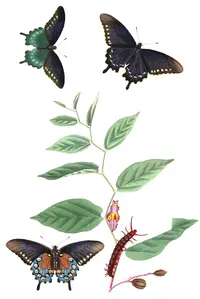
Pipevine swallowtail larvae

These caterpillars feed heavily on foliage and can skeletonize leaves on young plants, especially in naturalized or woodland plantings.

Solution

Hand-pick larvae from stems and leaves and relocate them if conservation of this butterfly is a priority, or exclude them with fine mesh netting over valuable specimens during peak egg‑laying. Maintaining several host plants together spreads feeding pressure and helps balance Aristolochia serpentaria care instructions with support for native pollinators.

Leaf miners

This pest creates pale, winding tunnels inside the leaves, which can cause premature yellowing and reduced photosynthesis on heavily affected foliage.

Solution

Remove and discard mined leaves as soon as damage appears to break the life cycle, and avoid overfertilizing, which can attract more egg‑laying adults. In larger plantings, floating row covers can reduce adult fly access to foliage before eggs are laid.

Slugs and snails

These mollusks chew irregular holes in tender leaves and stems, particularly in moist, shaded woodland conditions preferred by Virginia snakeroot.

Solution

Use hand-picking at night, set out slug traps such as shallow beer dishes or commercial bait stations, and reduce hiding spots by clearing dense debris at soil level. A ring of iron phosphate pellets or sharp mineral grit around clumps can further limit feeding without harming most wildlife.

Leaf spot

This disease causes small brown to dark purple spots that may merge into larger blotches, leading to early leaf drop in humid, crowded plantings.

Solution

Remove and destroy affected leaves, then thin surrounding vegetation to improve air movement and allow foliage to dry faster after rain. If the problem recurs yearly, avoid overhead watering and consider relocating plants to a site with better air circulation and morning sun.

Powdery mildew

This disease produces a white, powdery coating on upper leaf surfaces and stems, which can lead to distortion and reduced vigor later in the season.

Solution

Increase sunlight exposure slightly if possible, improve airflow by spacing plants, and water at soil level rather than on the foliage. Prune and dispose of heavily affected stems and fallen leaves, and avoid high-nitrogen fertilizers that promote soft, mildew-prone growth.

Interesting Facts

Specialized pipe-shaped flowers

The flowers are small, brownish, and S-shaped with a narrow tube and flared mouth that create a one-way trap for tiny pollinating flies, which enter, get dusted with pollen, and are then released when the flower’s inner hairs wilt.

Host plant for swallowtails

Virginia snakeroot is a key larval host plant for the pipevine swallowtail butterfly (Battus philenor); the caterpillars feed on its leaves and store the plant’s toxic compounds, gaining chemical protection from predators.

Patchy woodland specialist

This species naturally occurs in loose, scattered colonies on well-drained, humus-rich woodland soils in eastern North America, and its inconspicuous flowers often bloom close to the ground where they are partly hidden by leaf litter.

Botan icon

Did you know?

Native populations of Virginia snakeroot have declined or become rare in parts of its range, so in several US states it is tracked or listed as a species of conservation concern due to habitat loss and past over-collection.

FAQs about Virginia snakeroot

Yes, this species is considered toxic due to aristolochic acids, which can damage kidneys and increase cancer risk. Pets and children should not chew roots, leaves, or seeds, and herbal use is strongly discouraged without medical supervision.

Grow Healthy Plants with Botan Care

Keep your plants happy and healthy with plant identification, disease detection, and easy care guidance.

Botan plant care app — identify plants on mobile

Explore More Plants