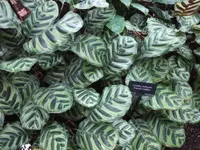
Dwarf Elephant Ear Care (Alocasia gageana 'California')

Also known as: Elephant's Ear

About Dwarf Elephant Ear

Dwarf elephant ear (Alocasia gageana 'California') is a compact aroid grown mainly for its bold, glossy, heart-shaped leaves. It forms a dense clump with upward-facing foliage, giving a tropical look without needing much vertical space. Native to warm, humid regions of Southeast Asia, it is usually grown as a container or patio plant in cooler climates.

This plant prefers bright, indirect light, evenly moist but not waterlogged soil, and good airflow. Its need for consistent warmth, moisture, and humidity means it can be moderately demanding, especially indoors. Understanding how to care for Dwarf Elephant Ear helps prevent leaf drop, browning edges, and pest issues.

Main Plant Requirements

Care Difficulty

Moderate Care

Light Preference

Bright Indirect Light

Water Requirements

Keep Soil Moist

Temperature Preference

Tropical / Frost Sensitive

Hardiness Zone

9–11

Soil Texture

Loamy, Peaty, Organic-rich

Soil pH

Acidic (5.5–6.5), Slightly acidic (6.5–7.0)

Soil Drainage

Moist but well-drained

Fertilization

Moderate (every 2–4 weeks)

Get Personalized Care Plan

Scan your plant to receive care tips personalized for your specific plant

Available on iOS and Android

How to Care for the Dwarf Elephant Ear

This plant prefers bright, indirect light and mild morning sun for compact, healthy growth.

  • Provide 4–6 hours of bright, filtered light daily, such as near an east-facing window or under light tree shade outdoors.
  • Allow gentle morning sun but shield from strong midday and afternoon sun, which can scorch leaves and fade Dwarf Elephant Ear foliage.
  • In winter, move slightly closer to a light source or supplement with grow lights if leaves start leaning or new growth becomes small and pale.

Alocasia gageana 'California' needs evenly moist but not saturated soil to support its large leaves.

  • Water when the top 2–4 cm of soil feels dry, soaking thoroughly until excess drains away, then discard any standing water.
  • In spring and summer, expect more frequent watering as growth and evaporation increase; reduce in fall and winter when growth slows.
  • Watch for yellowing, soft leaves or a sour smell as signs of overwatering, and for drooping, dry-edged leaves as signs of underwatering; ensure fast-draining soil.

This tropical species prefers consistently warm conditions and reacts poorly to cold snaps or frost.

  • Aim for 68–82°F (20–28°C) for active growth; brief peaks up to 86°F (30°C) are tolerated if soil moisture and humidity remain stable.
  • Protect from temperatures below 55°F (13°C); at 45–50°F (7–10°C) growth stalls and leaves may yellow or collapse.
  • In regions with frost, grow Alocasia gageana 'California' in containers or lift tuberous roots before freezes, and avoid placing plants near cold drafts or heat vents.

This species needs elevated humidity to keep leaves large and healthy.

  • Aim for 50–70% humidity; growth slows and leaf edges dry below about 40%.
  • Dry air causes brown, crispy margins, curling, and stalled new leaves on Dwarf Elephant Ear.
  • Increase humidity with a nearby humidifier, grouped plants, or a pebble tray, rather than misting leaves.

This plant prefers an airy, moisture-retentive but fast-draining mix.

  • Use a loose, organic-rich mix such as 40% peat or coco coir, 30% fine bark, 20% perlite, and 10% compost.
  • Ensure water drains in seconds, not minutes; the mix should feel springy, not compact or sticky.
  • Target slightly acidic soil, around pH 5.8–6.5, which supports nutrient uptake and root health for Alocasia gageana 'California'.
  • Avoid heavy garden soil, dense potting mixes, or containers that let the root zone stay wet for more than 1–2 days.

This species is well suited to container growing for better moisture and size control.

  • Choose a wide, stable pot to support the broad, top-heavy foliage and prevent tipping in light winds.
  • Select slightly porous materials like terracotta if the mix stays wet too long, or glazed pots if it dries too quickly.
  • Leave 3–5 cm of space below the rim so top-watering does not overflow and soil does not wash out.

Alocasia gageana 'California' responds well to modest, consistent feeding during active growth.

  • Use a balanced liquid fertilizer (around 10-10-10 or 20-20-20) diluted to 1/4–1/2 strength for Dwarf Elephant Ear.
  • Apply every 3–4 weeks in spring and summer when growth is active.
  • Switch to a slow-release fertilizer or light compost top-dressing if watering is infrequent.
  • Reduce or stop feeding in fall and winter when growth slows or plants are semi-dormant.

Alocasia gageana 'California' needs only light pruning to maintain health and appearance.

  • Best time is during active growth in spring or summer so wounds heal quickly.
  • Remove yellowing, dead, or torn leaves at the base with clean, sharp pruning shears.
  • Cut out crowded or inward-facing stalks to improve airflow and reduce disease risk.
  • Avoid heavy cutting, which can weaken the plant and reduce new leaf production.

This alocasia prefers slightly snug pots but benefits from periodic repotting to refresh the root zone.

  • Check for roots circling the pot, growing from drainage holes, or slowed growth as signals to repot.
  • Plan repotting for spring, every 1–2 years, when new growth begins.
  • Move up only 2–5 cm in pot diameter, using a chunky, well-draining aroid mix.
  • Water thoroughly after repotting, then keep soil lightly moist and shaded for 7–10 days to limit root stress.

Division is the most reliable method for multiplying this alocasia.

  • Divide rhizomes or clumping offsets in late spring or early summer when growth is strong.
  • Gently remove the plant from its pot and separate sections, ensuring each division has roots and at least one healthy shoot.
  • Plant divisions in a well-draining, airy mix and keep humidity high (60–70%).
  • Maintain warm temperatures around 70–80°F and steady, light moisture to support new root growth.

Cold-sensitive Alocasia gageana 'California' needs protection in regions with cool winters.

  • Keep plants above 55°F; prolonged exposure below this can damage leaves and rhizomes.
  • In frost-prone climates, grow in containers and move indoors before night temperatures drop below 50°F.
  • Reduce watering in winter, allowing the top 3–4 cm of soil to dry between waterings.
  • For outdoor plantings in mild climates, mulch the root zone with 5–8 cm of organic material to buffer temperature swings.

Care Tips

Rotate For Symmetry

Turn the pot 90° every 1–2 weeks so new leaves orient evenly toward the light and the plant keeps a compact, balanced canopy instead of leaning to one side.

Support Heavy Petioles

If large leaves start to flop, insert a slim stake near the base and loosely tie petioles with soft plant ties or Velcro tape to prevent snapping and to keep the foliage upright and well displayed.

Warm-Root Boost

Place the pot on a wooden board, cork mat, or plant stand above cool floors to keep roots slightly warmer, which supports steadier growth and reduces stress in cooler homes.

Targeted Pest Checks

Inspect the undersides of leaves, the V-shaped junctions where petioles meet the stem, and the top of the potting mix weekly for spider mites, aphids, and fungus gnat larvae, so treatments can start before an infestation spreads.

Seasonal Rest Adjustment

In late fall and winter, allow the plant to slow down by tolerating smaller leaves and less new growth, then resume stronger feeding and any repotting only once several robust new leaves appear in spring as a sign of active growing Dwarf Elephant Ear.

Common Pests and Diseases

Spider mites

These pests thrive on Alocasia in warm, dry indoor air and suck sap from the undersides of leaves, causing stippling, dull color, and fine webbing. Symptoms include slow decline, edge browning, and a dusty appearance on foliage.

Solution

Rinse leaves thoroughly with lukewarm water, focusing on the undersides, and repeat every few days to break the life cycle. Increase humidity, improve air circulation, and treat with a targeted miticide or insecticidal soap, ensuring full leaf coverage while keeping the soil surface lightly protected from runoff.

Rhizoctonia leaf spot

This disease causes irregular tan to brown spots that may have a yellow halo and can merge into large blotches, often starting on lower or crowded leaves. Symptoms include rapid spread under warm, humid, stagnant conditions typical for Alocasia culture.

Solution

Remove and discard affected leaves, avoid overhead watering, and keep foliage as dry as possible while maintaining soil moisture. Improve spacing and airflow, sterilize tools, and if spread continues, use a labeled fungicide for Rhizoctonia on ornamentals according to package directions.

Pythium root rot

This disease develops in consistently wet, poorly drained soil and leads to black, mushy roots and sudden leaf yellowing and collapse. Symptoms include a sour smell from the potting mix and poor new growth despite adequate light and fertilizer.

Solution

Unpot the plant, trim off all affected roots, and repot into fresh, fast-draining mix in a container with good drainage holes. Reduce watering frequency, empty saucers promptly, and in severe or recurring cases drench with a Pythium-targeted fungicide, following label rates carefully.

Aphids

These insects cluster on tender new leaves, stems, and flower stalks, sucking sap and causing distortion, curling, and sticky honeydew on Alocasia foliage. This pest can encourage sooty mold growth on the sugary residue and weaken new growth.

Solution

Physically remove colonies by rinsing with a firm stream of lukewarm water or wiping with a damp cloth, then treat remaining insects with insecticidal soap or a horticultural oil spray. Repeat treatments weekly until no new aphids appear and prevent ant activity that can protect aphid colonies.

Bacterial leaf blight

This disease produces water-soaked, translucent lesions that turn brown and may have a yellow margin, often starting at the leaf edge or along veins. Symptoms include rapid lesion expansion in warm, humid, poorly ventilated conditions and may cause entire leaves to collapse.

Solution

Promptly remove and discard affected leaves and any fallen debris, avoid splashing water on foliage, and water at the soil level only. Improve airflow, reduce humidity spikes, disinfect cutting tools between plants, and discard severely affected plants to protect nearby specimens when other measures fail.

Interesting Facts

Compact elephant ear form

This cultivar was selected from Alocasia gageana for its naturally shorter stature and more compact growth, which keeps the leaves large and dramatic without the extreme height of many other elephant ears.

Wind-tolerant leaf design

Compared with many larger Alocasia types, its slightly thicker, shorter petioles and somewhat smaller leaf blades make it less prone to wind damage in mild outdoor conditions, which is one reason it is used widely in subtropical landscaping.

Cold-tolerant for an Alocasia

Among commonly sold Alocasia, it is known for relatively good tolerance of brief dips into cooler temperatures in warm-temperate gardens, making growing Dwarf Elephant Ear feasible outdoors for longer seasons in mild climates.

FAQs about Dwarf Elephant Ear

All parts contain insoluble calcium oxalate crystals, which irritate the mouth and digestive tract if chewed. Pets or children may drool, paw at the mouth, or vomit. Seek veterinary or medical advice if ingestion occurs.

Grow Healthy Plants with Botan Care

Keep your plants happy and healthy with plant identification, disease detection, and easy care guidance.

Botan plant care app — identify plants on mobile

Explore More Plants