Basselinia pancheri Care

Basselinia pancheri

About Basselinia pancheri

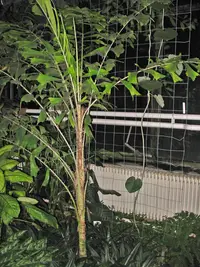
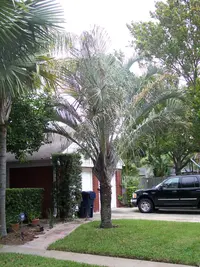
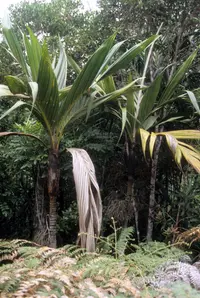
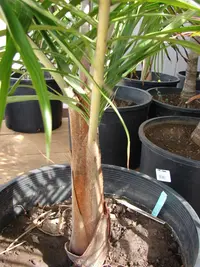
Basselinia pancheri is a slow-growing palm species native to the rainforests of New Caledonia. It typically forms a slender trunk with a compact, symmetrical crown of pinnate fronds. Young plants often have a neat, upright habit that suits sheltered garden spaces or specialized collections. Mature specimens can become elegant landscape palms in warm, frost-free climates. This species prefers consistently moist, well-drained soil and protection from harsh, drying winds. Understanding how to care for Basselinia pancheri is important, as it can be sensitive to cold, low humidity, and poor drainage, which makes it better suited to experienced growers or dedicated enthusiasts.

Main Plant Requirements

Care Difficulty

Hard Care

Light Preference

Partial Shade

Water Requirements

Regular Water

Temperature Preference

Tropical / Frost Sensitive

Hardiness Zone

11–12

Soil Texture

Sandy, Loamy, Organic-rich

Soil pH

Acidic (5.5–6.5), Slightly acidic (6.5–7.0)

Soil Drainage

Moist but well-drained

Fertilization

Light (every 4–6 weeks)

Get Personalized Care Plan

Scan your plant to receive care tips personalized for your specific plant

Available on iOS and Android

How to Care for the Basselinia pancheri

This palm prefers bright, filtered light that mimics a lightly shaded tropical forest edge.

  • Provide 3–5 hours of gentle morning sun with bright dappled or filtered light for the rest of the day; avoid harsh afternoon sun in hot climates.
  • Plant Basselinia pancheri where it receives partial shade, such as under high tree canopies or beside taller structures that soften midday light.
  • Watch the foliage: pale, scorched, or brown-tipped fronds indicate too much sun, while very slow growth and stretched, sparse leaves suggest insufficient light.

This species prefers consistently moist but not waterlogged soil, with slight drying between waterings.

  • In the ground, water deeply when the top 3–5 cm of soil feels just barely dry, allowing moisture to penetrate 20–30 cm into the root zone.
  • During hot, dry periods, increase frequency, while in cooler or rainy seasons reduce watering so soil stays evenly moist without standing water.
  • Monitor signs: yellowing, limp fronds and sour-smelling soil suggest overwatering, while folded, crispy, or browning leaflet tips indicate the palm is staying too dry.

This palm thrives in warm, frost-free climates with only minor temperature fluctuations.

  • Aim for daytime temperatures around 70–85°F (21–29°C) for best growth, with nights staying above 60°F (16°C) whenever possible.
  • It tolerates brief drops to about 40–45°F (4–7°C) but repeated exposure below this, especially with wind, can damage fronds and growing tips.
  • Protect from frost and cold snaps; in heat waves above 95°F (35°C), provide extra shade and soil moisture to prevent heat stress and leaf scorch.

This palm prefers consistently moist air and reacts quickly to very dry conditions.

  • Aim for 60–80% humidity, as typical heated indoor air below 40% often causes frond tip browning.
  • Watch for folded, crispy leaflets and dull, stalled new growth as signs of humidity stress.
  • Increase humidity with a nearby humidifier, grouped plants, or a pebble tray, but avoid wetting the crown continuously.

Basselinia pancheri needs a loose, moist, well‑drained mix that mimics fertile, airy forest soil.

  • Use a loamy base with 40–60% organic matter, such as composted bark and coco coir, to hold moisture without becoming heavy.
  • Add perlite or pumice plus some coarse sand to improve drainage and root aeration, especially in containers or high‑rainfall areas.
  • Target a slightly acidic to neutral pH around 6.0–7.0, avoiding strongly alkaline substrates that can lock up nutrients.
  • Avoid compacted clay, peat‑only mixes, or standing water around the root zone, which encourage rot and weak root systems.

This species can be grown in containers when young or in mild climates, but requires careful attention to root space and stability.

  • Choose a deep, heavy container that resists tipping as the palm develops a taller, top‑heavy canopy.
  • Select a pot material with moderate moisture retention, such as thick plastic or glazed clay, to buffer against rapid drying of the root zone.
  • Ensure wide, unobstructed drainage holes and elevate the pot slightly so excess water exits quickly during heavy watering or rain.

Light feeding supports steady growth, but this palm is sensitive to excess salts and concentrated products.

  • Use a balanced slow-release fertilizer (for example 10-10-10 or 13-13-13) or well-aged compost mixed into the topsoil in spring.
  • Apply once at the start of the growing season; in cooler climates a light second dose in midsummer is usually enough.
  • Dilute liquid feeds to 1/2–1/4 strength and water the plant first to avoid root burn.
  • In winter or any dormant period, stop feeding Basselinia pancheri and resume only when active growth returns.

Pruning needs are minimal and focus mainly on hygiene and safety for this palm species.

  • Best time for pruning is late winter to early spring, before strong new growth begins.
  • Remove only dead, diseased, or badly damaged fronds and flower stalks, cutting close to the trunk without nicking live tissue.
  • Avoid removing green fronds, as this reduces photosynthesis and slows overall growth.
  • Use clean, sharp bypass loppers or a pruning saw and disinfect blades between plants to limit disease spread to Basselinia pancheri.

Container or nursery plants need careful transplanting to avoid damaging the relatively sensitive root system.

  • Look for roots circling the pot, pushing through drainage holes, or noticeably slowed growth as signals to shift Basselinia pancheri to a larger space.
  • Carry out transplanting in late spring to early summer, when soil is warm and the plant can re-establish quickly.
  • Plan on stepping up container size only every 2–3 years, moving to a pot 5–8 cm wider with excellent drainage.
  • Reduce stress by watering thoroughly the day before, handling the root ball gently, backfilling with a free-draining mix, then shading and watering consistently for several weeks.

Propagation of this species is done almost exclusively from seed and requires patience and controlled conditions.

  • Use fresh, fully ripe seeds, as viability drops quickly in storage for Basselinia pancheri.
  • Sow in late spring to early summer in a sterile, well-drained medium kept evenly moist but not waterlogged.
  • Maintain warm conditions of 75–85°F with high humidity and bright, indirect light to support germination.
  • Expect slow and uneven germination; avoid disturbing emerging seedlings and pot them on only once roots have filled the small starter container.

This palm is not frost tolerant and needs substantial protection in climates with cool or freezing winters.

  • In regions with frost risk, grow Basselinia pancheri in containers that can be moved indoors or into a heated greenhouse before temperatures drop below 40°F.
  • For in-ground plants in marginal climates, apply a 5–10 cm mulch layer around the root zone, keeping it slightly away from the trunk.
  • Wrap young stems and the crown with breathable frost cloth during cold snaps to reduce tissue damage and leaf burn.

Care Tips

Protective wind placement

Site plants where tall shrubs, fences, or shade structures break strong prevailing winds to prevent frond tearing and damage to the slender crownshaft.

Mulch for root stability

Apply a 5–8 cm ring of coarse organic mulch around the root zone (kept a few cm from the trunk) to buffer soil temperature, retain moisture, and reduce weed competition for nutrients.

Gradual acclimation outdoors

When moving nursery plants or container specimens into a more exposed landscape position, increase sun and wind exposure gradually over 2–3 weeks to limit transplant shock and leaflet scorch.

Trunk and crown monitoring

Inspect the crownshaft and the base of emerging spears monthly for soft spots, oozing, or discoloration, and remove any dead fronds cleanly to reduce fungal problems and prevent pests from hiding there.

Container anchoring method

For potted specimens, especially when growing Basselinia pancheri in exposed sites, use a heavy container, add weight at the base (such as stones), or use low, discreet staking to prevent the palm from tipping in storms.

Common Pests and Diseases

Red palm mite

This pest feeds on the undersides of fronds, causing fine yellow stippling that can progress to bronzing and premature leaflet drop. Symptoms include thin webbing between leaf segments, especially in warm, dry or sheltered conditions.

Solution

Inspect the undersides of fronds regularly and rinse with a strong stream of water to remove mites and webbing, repeating weekly until numbers drop. In collections of Basselinia pancheri, improve humidity and air movement and, if needed, apply a horticultural oil or insecticidal soap targeting the leaf undersides, avoiding applications during direct sun or high heat.

Palm leaf scale

These insects form small, hard, often brown or gray bumps on leaf stalks and midribs, sucking sap and causing yellowing, weakened fronds, and reduced growth. Heavy infestations can leave fronds sticky with honeydew and predisposed to sooty mold.

Solution

Physically remove heavily infested leaflets or wipe accessible areas with a cloth or soft brush dipped in soapy water or diluted alcohol, then rinse well. For ongoing control, monitor new growth closely and use repeated applications of horticultural oil to smother crawlers while ensuring good light, nutrition, and minimal plant stress to support recovery.

Ganoderma butt rot

This disease, caused by Ganoderma fungi, attacks the lower trunk and root collar, leading to gradual decline, reduced vigor, and eventual collapse of the palm. Symptoms include wilting, thinning of the crown, and sometimes shelf-like brackets forming on the lower trunk.

Solution

Once advanced, this disease is not curable, so management focuses on prevention and sanitation. Avoid trunk wounding, maintain well-drained soil, promptly remove and destroy any affected palms including as much of the stump and root system as possible, and do not replant palms in the same spot for several years.

Fusarium leaf blight

This disease causes necrotic streaks or wedge-shaped brown lesions starting along leaflets and progressing toward the midrib, often affecting one side of a frond more than the other. Symptoms include premature browning and drop of affected fronds, reducing the ornamental value of the crown.

Solution

Remove and dispose of symptomatic fronds to reduce inoculum, disinfecting cutting tools between cuts. Improve drainage and avoid overwatering or overhead irrigation, and in high-value plantings consider laboratory diagnosis and targeted fungicide programs guided by a palm specialist.

Pink rot

This disease produces soft, discolored tissues at the base of emerging spears or around pruning wounds, sometimes with pinkish fungal growth, leading to spear rot and crown thinning. Symptoms include deformed new fronds, slow growth, and in severe cases death of the growing point.

Solution

Avoid overwatering and excessive shade, and do not leave standing water in the crown after irrigation. Remove and discard rotting tissue where practical, improve air movement, and treat vulnerable spear areas with a labeled fungicide after consulting regional guidelines, while strictly avoiding unnecessary trunk wounds when performing Basselinia pancheri care instructions.

Interesting Facts

Endemic New Caledonian palm

This species is native only to the ultramafic substrates of New Caledonia, where it grows in a very restricted natural range and is adapted to metal-rich, nutrient-poor soils.

Slim solitary trunk

It typically forms a single, slender, ringed stem rather than clustering, giving it a tall, columnar appearance in its native forests.

Cooler upland origins

In the wild it often occurs at higher elevations compared with many tropical palms, so it naturally experiences cooler nights and relatively mild, stable temperatures.

FAQs about Basselinia pancheri

This palm is naturally slow growing, especially in cooler or less humid climates. Expect only modest height gains each year. Consistent warmth, moisture, and nutrition help, but even in ideal conditions it remains a relatively slow species.

Grow Healthy Plants with Botan Care

Keep your plants happy and healthy with plant identification, disease detection, and easy care guidance.

Botan plant care app — identify plants on mobile

Explore More Plants