Ecuadorian Tagua Palm Care (Phytelephas aequatorialis)

Also known as: Ecuadorian Ivory Palm
Ecuadorian Tagua Palm

About Ecuadorian Tagua Palm

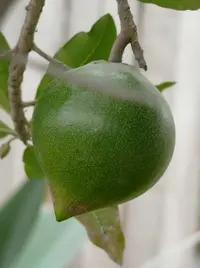
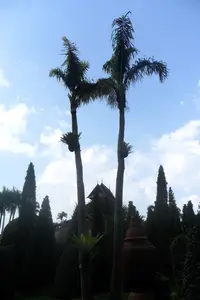
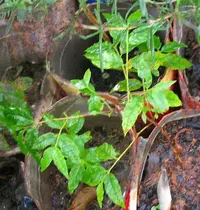
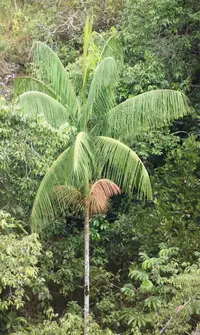
Ecuadorian tagua palm, Phytelephas aequatorialis, is a slow-growing palm from humid lowland forests of Ecuador and nearby regions in South America. It is best known for its very hard, ivory-like seeds used as vegetable ivory. The plant forms stout trunks with a crown of large, feathery fronds that create deep shade beneath. In cultivation it needs warm, frost-free conditions and consistent soil moisture, which can make it challenging outside tropical or specialized collections. Good air circulation, rich, well-drained soil, and filtered light are important when learning how to care for Ecuadorian Tagua Palm.

Main Plant Requirements

Care Difficulty

Hard Care

Light Preference

Partial Shade

Water Requirements

Keep Soil Moist

Temperature Preference

Tropical / Frost Sensitive

Hardiness Zone

11–12

Soil Texture

Loamy, Silty, Organic-rich

Soil pH

Acidic (5.5–6.5), Slightly acidic (6.5–7.0)

Soil Drainage

Moist but well-drained

Fertilization

Minimal (feed rarely)

Get Personalized Care Plan

Scan your plant to receive care tips personalized for your specific plant

Available on iOS and Android

How to Care for the Ecuadorian Tagua Palm

This palm prefers bright, indirect light that mimics the dappled shade of tropical forest edges.

  • Provide 4–6 hours of bright, filtered light daily, such as under high, open tree canopy or shade cloth that softens direct midday sun.
  • Allow gentle morning sun but protect Ecuadorian Tagua Palm from strong midday and afternoon sun, which can scorch fronds and bleach color.
  • In hotter months, increase shade to prevent leaf burn; in cooler or overcast seasons, reduce shading slightly to maintain steady growth without stretching.

This species prefers consistently moist but not waterlogged soil, similar to a humid tropical forest floor.

  • Water when the top 3–5 cm of soil feels just barely damp, aiming to keep deeper layers evenly moist rather than fully drying out between waterings.
  • Use deep, slow watering so moisture reaches the root zone, but ensure free-draining soil or a sloped site to avoid standing water and root rot.
  • In cooler or cloudy periods, reduce frequency and watch for yellowing, soft fronds as a sign of overwatering, or crisp browning tips as a sign of underwatering.

This palm thrives in warm, stable tropical conditions and reacts poorly to cold or sudden temperature swings.

  • Aim for 70–86°F (21–30°C) for active growth, matching the warm, humid climate of its native lowland forests.
  • Protect Phytelephas aequatorialis from temperatures below 55°F (13°C); brief drops near 50°F (10°C) can stress foliage and repeated chills may weaken the plant.
  • Avoid frost entirely, as freezing damages tissues, and provide light shade plus good airflow during heat above 90°F (32°C) to prevent leaf scorch and stress.

This palm prefers consistently high humidity to mimic its native lowland rainforest habitat.

  • Aim for 60–80% humidity; use a humidifier or pebble tray in dry homes.
  • Tolerates short spells near 40–50%, but leaf tips may brown and edges curl under.
  • Persistent crispy tips, slowed growth, and pale, dull fronds indicate humidity stress; increase moisture around the Ecuadorian Tagua Palm and reduce strong drafts.

Phytelephas aequatorialis prefers deep, moisture-retentive but well-aerated soil.

  • Use a rich loam with high organic matter, such as 50–60% composted bark and leaf mold blended with garden loam.
  • Ensure free drainage by adding coarse sand or 10–20% perlite so water moves through without pooling.
  • Target slightly acidic to neutral pH around 6.0–7.0, avoiding strongly alkaline mixes that can lock up nutrients.
  • Avoid heavy, compacted clay or constantly waterlogged substrates, which suffocate roots and favor fungal root problems.

This species can be grown in large containers for juvenile stages, though it prefers ample root space.

  • Choose a deep, heavy pot to support the developing trunk and prevent tipping in wind or on balconies.
  • Select a container material like thick terracotta or concrete that moderates moisture and anchors the plant’s increasing weight.
  • Leave a generous buffer between root ball and pot wall to reduce overheating of roots and rapid surface drying in sun-exposed locations.

This palm has modest nutrient needs but benefits from light, steady feeding in containers or poor soil.

  • Use a balanced, slow-release fertilizer (around 10-10-10) or well-rotted compost mixed into the topsoil at the start of the warm growing season.
  • Feed container-grown Ecuadorian Tagua Palm every 6–8 weeks during active growth at 1/2 label strength to avoid salt buildup.
  • Skip or greatly reduce fertilization in winter or any cool dormant period, focusing instead on correct watering and light.
  • Flush containers with plain water a few times each season to remove accumulated salts from synthetic fertilizers.

Pruning Phytelephas aequatorialis is mainly sanitary, aimed at maintaining a clean crown and safe structure.

  • Carry out pruning at the end of the dry or cool season, just before strong new growth begins.
  • Remove dead, diseased, or storm-damaged fronds at the base using clean, sharp loppers or a pruning saw.
  • Cut away fronds that cross and rub, or that hang dangerously low, to improve airflow and access around the trunk.
  • Avoid cutting green, healthy fronds unnecessarily, as this can reduce photosynthesis and slow trunk and canopy development.

This species is usually grown in the ground; transplanting young plants requires planning to avoid root stress.

  • Transplant when roots fill the container, growth slows, or circling roots are visible through drainage holes.
  • Choose late spring to early summer, once soil is warm and frost risk has passed, to support fast root re-establishment.
  • Move to a site with deep, well-drained soil and similar light; disturb the root ball as little as possible during planting.
  • Water deeply before and after transplanting, provide shade cloth for 1–2 weeks if sun is intense, and keep soil evenly moist.

Propagation of this palm is almost always done from seeds and demands patience and warm conditions.

  • Collect fully ripe seeds from mature Phytelephas aequatorialis fruits, clean off all pulp, and sow soon after harvest.
  • Sow in a deep tray or pots with a coarse, well-draining mix kept at 77–86°F with high humidity and bright, indirect light.
  • Expect slow, uneven germination; some seeds may take many months, so label and maintain consistent moisture without waterlogging.
  • Transplant seedlings only once several leaves form and roots are strong, handling the root system gently to avoid damage.

This lowland tropical palm is not frost hardy and needs careful winter management in cooler climates.

  • In regions below roughly 50°F, grow plants in large containers or sheltered sites for easier seasonal protection.
  • Before first frost, move container plants indoors to a bright, cool room or heated greenhouse with stable temperatures.
  • For in-ground specimens in marginal climates, apply a 5–10 cm mulch layer over the root zone, keeping it away from the trunk.
  • Reduce watering in winter so the soil stays slightly moist but never saturated, as cold, wet roots are prone to rot.

Care Tips

Deep root encouragement

Allow the top 5–7 cm of substrate to dry slightly between thorough soakings in large containers to encourage deeper, stronger root systems that better anchor this heavy palm over time.

Trunk base protection

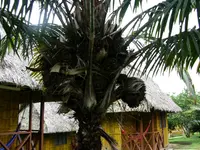
Mulch the root zone with 5–8 cm of coarse organic material, but keep mulch 5–10 cm away from the trunk base to reduce trunk rot and discourage rodents from chewing developing seeds.

Canopy space planning

When planting out, allow at least 3–4 m of horizontal space around each specimen so the heavy, arching fronds and large inflorescences can develop without mechanical damage from walls, paths, or neighboring plants.

Fruit load management

Monitor developing fruit clusters and remove poorly placed or damaged ones with clean, sharp tools to reduce excess weight on a single crown point and lower the risk of breakage in storms.

Moisture and erosion control

On sloped sites, build a shallow planting terrace or low soil berm on the downhill side to slow water runoff, protect surface roots, and stabilize the soil when growing Ecuadorian Tagua Palm in high rainfall areas.

Common Pests and Diseases

Rhynchophorus palm weevils

This pest attacks the crown and base of the palm, where larvae tunnel into soft tissues and can cause crown collapse. Symptoms include wilting central leaves, oozing tissue, and internal cavities in the stem base or bud area.

Solution

Remove and destroy heavily infested or collapsing plants to prevent spread, and inspect regularly for early signs of tunneling or oozing at the crown. In areas where Rhynchophorus is present, use pheromone traps nearby, maintain good sanitation around the planting site, and consult local extension services about targeted systemic insecticides if monitoring confirms activity.

Red palm mite

This pest feeds on the underside of leaflets, causing yellow stippling, bronzing, and eventual drying of fronds, especially in hot, humid conditions. Fine webbing may be visible along the midribs and leaflet edges.

Solution

Rinse foliage thoroughly with a strong but controlled stream of water, focusing on the undersides of leaves, and repeat weekly until new growth looks clean. In warm climates, introduce or conserve predatory mites when possible and, if needed, apply horticultural oil or insecticidal soap labeled for mites, making sure to cover the undersides of fronds and avoiding application in full sun or high heat.

Scale insects

These insects attach to leaf stalks and trunks as small, fixed bumps that suck sap and weaken the palm over time. Symptoms include yellowing fronds, sticky honeydew, and sometimes sooty mold growth on affected surfaces.

Solution

Manually scrape or wipe off light infestations with a soft brush or cloth dipped in mild soapy water or alcohol, taking care not to damage the tissue. For larger populations, apply horticultural oil to thoroughly coat the insects, repeat at label intervals, and improve plant vigor through proper irrigation and fertilization so the palm can better tolerate minor feeding.

Leaf spot

This disease causes brown or black spots on leaflets, sometimes with yellow halos, which can merge and lead to premature frond decline under persistently wet conditions. Symptoms include more severe spotting on older or shaded fronds with poor air movement.

Solution

Prune and dispose of heavily spotted fronds, avoiding cutting into healthy tissue, and keep leaves as dry as possible by watering at the soil level rather than overhead. Increase spacing and airflow around the plant, remove fallen debris, and if spotting progresses, use a broad-spectrum fungicide labeled for palm leaf spots according to local guidance and label directions.

Bud rot

This disease infects the central growing point of the palm, often after physical damage or prolonged wetness, leading to soft, foul-smelling tissue and collapse of the newest fronds. Symptoms include spear leaves that pull out easily and a rotten, darkened core at the crown.

Solution

At the earliest sign of spear discoloration or soft tissue, remove affected material carefully to expose firmer tissue and improve drainage and airflow around the crown. Avoid water pooling in the crown, disinfect tools between plants, and in high-risk, warm and wet regions consider preventively applying a systemic fungicide labeled for palm bud rot as part of broader Phytelephas aequatorialis plant care in plantations or collections.

Interesting Facts

Seeds as vegetable ivory

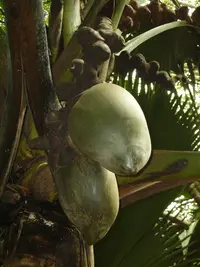
The endosperm of its mature seeds hardens into a dense, ivory-like material that can be carved and polished, historically used as a sustainable alternative to elephant ivory in buttons, jewelry, and small carvings.

Cluster-forming growth habit

This palm often grows in dense clusters of several stems arising from a common base, creating thickets that can strongly influence light and understory conditions in its native forests.

Keystone for wildlife

Its large, spiny fruits and abundant seeds provide a major food resource for rodents and other forest animals in western Ecuador, which in turn help disperse the seeds away from the parent palms.
Botan icon

Did you know?

Commercial harvesting of its so-called tagua nuts for vegetable ivory has been linked to the conservation of lowland Chocó forests in Ecuador, because standing palms and intact forest generate ongoing income without logging the trees.

FAQs about Ecuadorian Tagua Palm

This species grows slowly, often adding only 15–30 cm of trunk height per year once established. Seedlings and juveniles can take many years before forming a visible trunk or producing notable crown development.

Grow Healthy Plants with Botan Care

Keep your plants happy and healthy with plant identification, disease detection, and easy care guidance.

Botan plant care app — identify plants on mobile

Explore More Plants