Vriesea neoglutinosa Care

Vriesea neoglutinosa

About Vriesea neoglutinosa

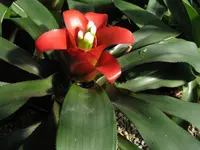
Vriesea neoglutinosa is an epiphytic bromeliad, usually found growing on trees rather than in soil. It forms a neat rosette of arching, strap-shaped leaves that can create a small water-holding tank in the center. In nature it occurs in tropical regions of South America, where it enjoys warm, humid forest conditions with filtered light.

The plant is valued more for its structured foliage and rosette form than for showy blooms. Its slow, compact growth habit and tolerance of typical indoor humidity make it reasonably manageable for patient growers. Understanding how to care for Vriesea neoglutinosa mainly involves providing bright, indirect light, consistent moisture, and a free-draining, airy substrate.

Main Plant Requirements

Care Difficulty

Moderate Care

Light Preference

Bright Indirect Light

Water Requirements

Moderate Water

Temperature Preference

Tropical / Frost Sensitive

Hardiness Zone

11–12

Soil Texture

Sandy, Loamy, Organic-rich

Soil pH

Acidic (5.5–6.5)

Soil Drainage

Moist but well-drained

Fertilization

Light (every 4–6 weeks)

Get Personalized Care Plan

Scan your plant to receive care tips personalized for your specific plant

Available on iOS and Android

How to Care for the Vriesea neoglutinosa

This bromeliad prefers bright, filtered light that mimics dappled forest shade.

  • Provide 6–8 hours of bright, indirect light daily, such as near an east window or under light tree cover outdoors.
  • Tolerate only gentle morning sun; protect from strong midday or afternoon sun to prevent leaf scorch and bleaching.
  • In winter, move Vriesea neoglutinosa closer to bright windows or use sheer-curtained light, watching for pale, elongated leaves that signal insufficient light.

Watering should focus on both the central cup and the potting mix without keeping either stagnant or bone dry for long.

  • Keep the leaf rosette (cup) 1/2–3/4 full with fresh, non-salty water and flush it every 1–2 weeks to prevent buildup and rot.
  • Let the top 2–3 cm of the mix dry before watering the roots again; foliage may curl slightly at the edges when the plant needs water.
  • Reduce watering in cooler months, and watch for limp, brown bases from overwatering or crisp leaf tips and shriveling from underwatering in fast-draining mix.

This species prefers warm, stable conditions similar to a tropical understory.

  • Aim for 65–80°F (18–27°C) for active growth; brief dips outside this range are tolerated if kept dry and out of drafts.
  • Avoid temperatures below 50°F (10°C); Vriesea neoglutinosa is not frost hardy and can suffer leaf damage or rot after light frost.
  • In hot spells above 90°F (32°C), provide shade, good air movement, and avoid water sitting cold in the cup overnight to reduce stress.

This bromeliad prefers moderately high humidity for stable growth.

  • Aim for 50–70% humidity; it tolerates brief dips but prolonged very dry air weakens foliage.
  • Low humidity stress shows as brown leaf tips, curling edges, and slow rosette expansion.
  • Increase humidity with a nearby humidifier, grouped plants, and by keeping the central cup filled with clean water without misting heavily.

Use a loose, airy, fast-draining mix that mimics an epiphytic tree-branch environment.

  • Combine roughly 40% fine orchid bark, 30% peat-free potting mix, and 30% perlite or pumice for structure and drainage.
  • Target slightly acidic to neutral pH, around 5.5–7.0, which suits Vriesea neoglutinosa roots.
  • Ensure large air spaces in the mix; bark chunks and perlite keep roots from suffocating and reduce rot risk.
  • Avoid dense, clay-heavy, or waterlogged substrates, and never let the pot stand in a saucer of stagnant water.

This species grows very well in containers due to its compact root system.

  • Choose a pot only 2–5 cm wider than the root ball to prevent excess unused mix from staying wet.
  • Use a stable, relatively heavy container if the rosette becomes tall so the plant does not tip over when watered.
  • Select containers with wide drainage outlets so chunky bark-based mixes do not clog and trap water.

This bromeliad benefits from light, consistent feeding rather than heavy applications.

  • Use a balanced liquid fertilizer (around 10-10-10 or 20-20-20) diluted to 1/4–1/2 strength for Vriesea neoglutinosa.
  • Feed every 4–6 weeks during spring and summer, applying to the potting mix, not into the central cup.
  • Pause or reduce feeding to 1 light dose in midwinter when growth slows.
  • Avoid organic compost in the pot; instead, use a bromeliad mix and low-salt, urea-free fertilizer to prevent root burn.

Pruning needs are minimal and focus on hygiene rather than shaping.

  • After the flower fades, cut the spent flower stalk at the base with clean, sharp scissors or pruning shears.
  • Remove dead, dried, or damaged leaves at the base to maintain airflow and reduce fungal issues in Vriesea neoglutinosa.
  • Trim only completely brown tips; leave a narrow green margin to avoid stressing the plant.
  • Carry out most pruning in spring or early summer when the plant is actively growing.

This species prefers to stay slightly pot-bound and only needs infrequent repotting.

  • Repot every 2–3 years or when roots circle the pot, water drains too quickly, or growth slows despite good care.
  • Plan repotting in spring, using a shallow container with good drainage and a loose bromeliad or orchid-style mix.
  • Gently loosen roots and keep the base of the rosette above the mix to prevent rot, handling the plant by the root ball.
  • Water lightly after repotting, keep in bright, indirect light, and maintain high humidity for 1–2 weeks to limit transplant stress.

This bromeliad is most commonly propagated by separating offsets, known as pups.

  • Wait until pups reach about 1/3–1/2 the size of the mother plant before removal for reliable establishment of Vriesea neoglutinosa.
  • Best season is late spring to summer, when temperatures are warm and light is bright but indirect.
  • Gently detach pups with a sterile knife, keeping some roots attached, and pot into a small container with airy bromeliad mix.
  • Keep the medium just slightly moist, humidity high, and temperature around 70–80°F until roots are well formed.

This tropical bromeliad is frost-sensitive and needs indoor protection in regions with cold winters.

  • Move container plants indoors before temperatures drop below 50°F, choosing a bright spot away from drafts.
  • Maintain indoor temperatures around 60–80°F and avoid cold windowsills that can chill the foliage of Vriesea neoglutinosa.
  • Water sparingly in winter, keeping the mix just barely moist and the central cup only lightly filled to reduce rot risk.

Care Tips

Tank water management

Empty and refresh the central cup every 1–2 weeks to prevent stagnation and mosquito larvae, then refill with fresh, low-mineral water just below the brim of the rosette.

Offset separation timing

Wait to divide pups until they reach at least one-third to one-half the height of the parent rosette, then remove with a clean, sharp knife and pot individually to maintain strong clump vigor.

Air circulation control

Position the plant where there is very gentle air movement from a fan or open doorway, which helps the leaf axils dry between waterings and reduces fungal spotting on the foliage.

Salt buildup prevention

If using tap water, flush the pot and central cup thoroughly with distilled or rainwater every 1–2 months to wash out accumulated salts that can cause leaf-tip burn and dull coloration when growing Vriesea neoglutinosa.

Light acclimation steps

When moving the plant to a brighter location, increase light in stages over 2–3 weeks to avoid bleaching the leaves, rotating the pot a quarter turn every few days for even exposure.

Common Pests and Diseases

Guzmania rust mite

This pest is a microscopic mite that deforms young leaves and flower spikes, causing rough, bronzed, or corky patches on the foliage and bracts. Symptoms include distorted growth and a dull, uneven surface on affected areas.

Solution

Remove and discard heavily deformed leaves or entire inflorescences, then thoroughly rinse the rosette and leaf bases with a strong but gentle stream of lukewarm water. For collections or repeated problems, apply a sulphur-based or specific miticide labeled for bromeliads, and keep new or recently imported plants isolated and monitored closely for several weeks.

Bromeliad scale

These insects are small, flat or dome-shaped pests that attach along the midrib and leaf bases, sucking sap and causing yellow spotting, weakening, and sticky honeydew. Symptoms include sooty mold growth on leaves due to the honeydew deposits.

Solution

Manually remove visible scale with a cotton pad dipped in isopropyl alcohol, then wash the leaves and central tank with tepid water to clear honeydew. For persistent infestations, use a systemic or horticultural oil product labeled for ornamental bromeliads, applied in repeated light treatments rather than one heavy spray to avoid damaging the foliage.

Phytophthora crown rot

This disease is caused by a water-mold pathogen that attacks the base of the rosette and inner leaf bases when the central cup stays waterlogged in cool, low-light conditions. Symptoms include rapid collapse of the central leaves, foul smell from the cup, and brown, water-soaked tissue at the plant base.

Solution

Discard severely affected plants, since this pathogen spreads easily in shared water and cannot be reversed once advanced. To prevent new cases, avoid keeping stagnant water in the cup in cool conditions, empty and refresh tank water regularly, keep the medium very free-draining, and space plants for good air movement, especially in dense bromeliad collections.

Erwinia soft rot

This disease is a bacterial rot that develops in the central tank or leaf bases under warm, stagnant, and overly wet conditions. Symptoms include a sudden foul odor, mushy translucent tissue, and rapid collapse of the central rosette.

Solution

Immediately remove and discard any plant with a strong odor and soft, collapsing tissues to protect nearby specimens. As part of Vriesea neoglutinosa care instructions, maintain strict hygiene by avoiding overhead splashing from contaminated water, disinfect tools and benches, refresh tank water often, and ensure strong air circulation around the rosettes, especially in warm, humid growing areas.

Interesting Facts

Atlantic rainforest epiphyte

This species is native to the Atlantic rainforest of southeastern Brazil, where it usually grows as an epiphyte on tree trunks and branches rather than in soil, relying on its rosette to trap water and organic debris.

Rosette water reservoir

Its tightly overlapping leaves form a central tank that holds rainwater and fallen leaf litter, creating a tiny aquatic habitat used by insects and other small invertebrates in its native forest canopy.

Short-lived but offsetting

Like many bromeliads, a rosette of this species flowers once and then slowly dies, but it produces side shoots (pups) at the base that continue the life of the clump in the same tree or rocky crevice.

FAQs about Vriesea neoglutinosa

This bromeliad usually blooms once when mature, often in warmer months, though timing varies indoors. The colorful inflorescence can last 4–12 weeks, while individual flowers are short-lived but are replaced along the spike.

Grow Healthy Plants with Botan Care

Keep your plants happy and healthy with plant identification, disease detection, and easy care guidance.

Botan plant care app — identify plants on mobile

Explore More Plants