Root flare inspection
When potting or repotting, keep the top of the root crown just at or slightly above the soil surface to prevent rot and allow good gas exchange around the base.

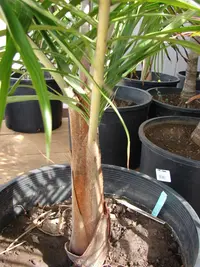
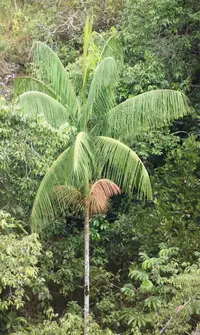
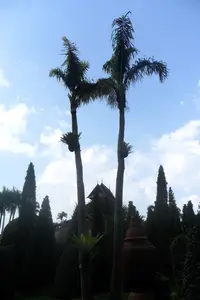
Dypsis lastelliana is a palm species from Madagascar, where it grows in humid, tropical forests. It is a clustering palm, forming multiple slender trunks over time. The plant carries gracefully arching fronds with many narrow leaflets, giving it a fine, elegant texture. In cultivation, it is mainly grown by palm collectors and enthusiasts, as it is still uncommon in general houseplant trade. Its sensitivity to cold and need for consistent moisture make it more suitable for warm, sheltered gardens or controlled indoor environments. Understanding how to care for Dypsis lastelliana starts with providing warmth, bright filtered light, and evenly moist, well-draining soil.

Care Difficulty
Moderate Care

Light Preference
Partial Shade

Water Requirements
Regular Water

Temperature Preference
Tropical / Frost Sensitive

Hardiness Zone
11–12

Soil Texture
Sandy, Loamy, Organic-rich

Soil pH
Acidic (5.5–6.5)

Soil Drainage
Moist but well-drained

Fertilization
Light (every 4–6 weeks)
Scan your plant to receive care tips personalized for your specific plant
Available on iOS and Android
This palm prefers bright, indirect light with some gentle direct sun in cooler hours.
This species prefers consistently moist but not saturated soil.
This palm thrives in warm, frost-free conditions with minimal temperature swings.
This palm prefers moderately humid air but survives typical indoor levels if watered correctly.
This species needs a loose, well-draining, organic-rich mix that still holds some moisture.
This palm can be grown long term in containers if provided with a stable, deep pot and careful moisture control.
Nutrient inputs support steady growth of Dypsis lastelliana but should remain moderate to avoid root burn.
Pruning needs are light and focus on cleanliness and safety for Dypsis lastelliana rather than reshaping the palm.
Transplanting is infrequent because this palm dislikes root disturbance and develops a deep, sensitive root system.
Propagation of Dypsis lastelliana is usually done by seed and is considered slow and technical for home growers.
Cold conditions pose a serious risk, so winter care for this palm focuses on frost avoidance and root insulation.

Plant Health Check
Not sure what's wrong with your plant? Check your plant's health inside the app.
Dypsis lastelliana is native to the Masoala Peninsula in northeastern Madagascar, where it grows in lowland humid rainforest and does not occur naturally outside this restricted region.
This species forms multiple stems from the base and can reach canopy-level heights in the wild, contributing to the mid to upper forest structure in its native habitat.
Dypsis lastelliana is considered threatened in the wild due to habitat loss from deforestation in Madagascar, and is of interest in ex situ conservation programs in botanical gardens and specialized collections.
This palm grows at a moderate to fast rate in warm, frost-free climates, often adding 30–60 cm of trunk per year once established. Growth slows in containers, cooler temperatures, poor soil, or low nutrition.
Keep your plants happy and healthy with plant identification, disease detection, and easy care guidance.