Oleander Wattle Care (Acacia neriifolia)

Oleander Wattle

About Oleander Wattle

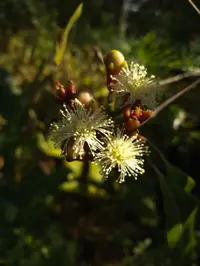
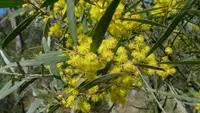
Oleander wattle (Acacia neriifolia) is a medium to large Australian shrub or small tree known for its narrow, grey-green leaves and soft, silvery foliage. In season it carries rounded clusters of bright yellow flowers that create a strong contrast against the leaves. Native to inland New South Wales and Queensland, it often grows on rocky slopes and open woodland. This background makes it relatively tough, coping well with sun, poor soils, and dry periods once established. For gardeners who want to care for Oleander Wattle, it generally prefers full sun, well-drained soil, and protection from prolonged waterlogging.

Main Plant Requirements

Care Difficulty

Easy Care

Light Preference

Full Sun

Water Requirements

Low Water

Temperature Preference

Warm Climate

Hardiness Zone

9–11

Soil Texture

Sandy, Loamy, Rocky

Soil pH

Acidic (5.5–6.5), Slightly acidic (6.5–7.0)

Soil Drainage

Well-drained

Fertilization

Minimal (feed rarely)

Get Personalized Care Plan

Scan your plant to receive care tips personalized for your specific plant

Available on iOS and Android

How to Care for the Oleander Wattle

This sun-loving Australian shrub needs high light to flower and stay compact.

  • Provide 6–8 hours of direct sun daily; morning and early afternoon sun suit Oleander Wattle best in most climates.
  • Tolerates light afternoon shade, especially in hot inland areas, but dense shade leads to sparse growth and reduced flowering.
  • In regions with intense summer sun, young plants benefit from 20–40% filtered shade cloth to limit leaf scorch and moisture stress.

This drought-tolerant species prefers thorough but infrequent watering once established.

  • Outdoors in the ground, water deeply only when the top 5–8 cm of soil is completely dry, then soak the root zone and allow it to drain fully.
  • During the first 1–2 growing seasons, increase frequency slightly so the root zone does not stay dry for long periods, then extend intervals as roots deepen.
  • Signs of excess water include yellowing leaves and soft stems, while persistent wilting with dry soil indicates the need for a slow, deep irrigation; always use well-drained, sandy or gravelly soil.

This species prefers warm, frost-free conditions but withstands moderate heat once established.

  • Optimal growth occurs around 65–80°F (18–27°C), with active shoot and root development in spring and early summer.
  • Mature plants tolerate brief drops to about 24–26°F (-4 to -3°C), but young plants can be damaged below 30°F (-1°C) and benefit from frost cloth or temporary covers.
  • In hot regions with summer peaks above 95°F (35°C), ensure good soil moisture before heatwaves and avoid heat-reflecting surfaces that can scorch foliage.

This species tolerates a wide humidity range and usually does not need special humidity management indoors or outdoors.

  • Aim for 30–60% humidity; the plant handles drier air better than prolonged high humidity.
  • Dry tips or slight leaf edge browning can signal very low humidity combined with heat stress.
  • To support Oleander Wattle in very dry heated rooms, group plants together or place near a tray of water and stones, without standing the pot in water.

Acacia neriifolia prefers very free-draining, sandy to loamy soil that mimics its native, low-fertility habitats.

  • Use a mix of 40% coarse sand, 40% loam or cactus mix, and 20% fine gravel or perlite to keep roots aerated.
  • Aim for slightly acidic to neutral pH around 6.0–7.0, avoiding strongly alkaline or salty substrates that restrict nutrient uptake.
  • Incorporate only a small amount of well-decomposed compost to avoid overly rich, moisture-holding soil that can promote soft, weak growth.
  • Avoid heavy clay, peat-heavy, or compacted mixes, and break up any dense layers so water drains through within a few seconds of watering.

This species can be grown in containers if the pot and medium are chosen to prevent waterlogging and root restriction.

  • Select a deep, heavy pot that resists tipping, as the woody top growth becomes tall and wind-sensitive over time.
  • Use a very gritty, fast-draining potting mix so water runs out of the drainage holes quickly and the upper layer dries within 1–2 days.
  • Elevate the container on feet or pot risers outdoors so runoff clears freely and the drainage holes never sit in standing water.

This hardy Australian native usually needs modest feeding, especially when young or container-grown.

  • Apply a balanced slow-release fertilizer (for example 10-10-10) at half strength once in early spring and again in midsummer.
  • In poor soils, lightly work in compost around the drip line, keeping it away from the trunk.
  • Reduce feeding in late fall and avoid fertilizing during winter dormancy.
  • For Oleander Wattle in containers, use a diluted liquid balanced feed every 4–6 weeks during active growth.

Pruning Acacia neriifolia is mainly used to maintain structure, safety, and flowering quality.

  • Carry out most pruning in late winter or very early spring before strong new growth starts.
  • Remove dead, diseased, crossing, or storm-damaged branches back to healthy wood with clean, sharp tools.
  • Thin congested interior shoots to improve light penetration and airflow, which supports healthier foliage.
  • Shorten or tip-prune young stems to encourage a balanced, wind-stable framework without heavy cutting.

This acacia is more often transplanted into the landscape than kept long term in containers.

  • Transplant or shift up containers in late winter to early spring, once frost risk has passed.
  • Look for roots circling the pot, pushing out drainage holes, or slowing growth as signs it needs a larger container or ground planting.
  • Move up only 1–2 pot sizes, loosen circling roots gently, and plant into a free-draining, low-phosphorus mix or soil.
  • Water thoroughly after transplanting, shade for a few days, and keep soil evenly moist (not saturated) until new growth resumes.

New plants are most commonly raised from seed rather than vegetative methods.

  • Collect ripe seeds and sow in late winter to early spring for best germination.
  • Scarify hard seed coats by briefly soaking in just-boiled then cooling water, or lightly nicking with a blade.
  • Sow into a sterile, free-draining mix, barely cover, and keep at 68–77°F with moderate, even moisture.
  • Cuttings are less reliable; if attempted, use semi-hardwood pieces with rooting hormone and bottom heat.

This species is moderately frost tolerant but benefits from some winter attention in colder regions.

  • In-ground plants in mild climates usually need only good drainage and no waterlogging over winter.
  • Apply a 5–8 cm mulch layer around the root zone, keeping it a few cm away from the trunk to reduce freeze–thaw stress.
  • In colder zones or exposed sites, use a breathable frost cloth on young trees during hard frosts.
  • Move container-grown plants under cover or indoors to a bright, cool, frost-free spot until temperatures rise.

Care Tips

Wind-hardening young plants

Expose young plants to increasing wind over 2–3 weeks by gradually moving them to more open positions, which encourages a deeper root system and sturdier stems before they face full-site conditions.

Low-branch management

Remove or shorten only a few of the lowest, weak side branches each year once the plant is established, improving air flow around the base and reducing the risk of fungal issues in dense plantings.

Mulch ring setup

Maintain a 5–10 cm deep, grass-free mulch ring that extends slightly beyond the canopy drip line, keeping mulch pulled 5–8 cm away from the trunk to reduce competition and protect surface feeder roots.

Storm-resilient staking

For newly planted specimens in windy sites, use 2–3 flexible stakes placed outside the rootball and attach with soft, loose ties so the trunk can move slightly and develop proper taper while still being protected from snapping.

Soil salinity monitoring

In coastal or arid regions, monitor for leaf tip burn and, if noticed, occasionally leach the root zone by giving a long, infrequent heavy watering to flush accumulated salts beyond the main root area while caring for Oleander Wattle.

Common Pests and Diseases

Gall rust

This disease causes swollen, corky galls on stems and branches, often leading to dieback of affected shoots. Symptoms include distorted growth and sometimes cracking or splitting bark around the gall.

Solution

Prune out galled stems well below the visible swelling and destroy all removed material to reduce spore spread. Encourage strong growth with proper watering and nutrition, avoid wounding stems, and improve air movement around the plant to help limit infection pressure.

Armillaria root disease

This disease is caused by soil-borne fungi that attack roots and the lower trunk, leading to gradual yellowing, reduced vigor, and eventual death. Symptoms include poor new growth, sudden wilting in dry or hot weather, and sometimes white fungal sheets under the bark near the base.

Solution

Remove and destroy severely affected plants including as much root material as possible and avoid replanting susceptible woody species in the same spot for several years. Improve drainage, avoid waterlogging and mechanical root damage, and maintain tree vigor so the plant can better tolerate low infection pressure.

Acacia psyllids

These insects feed on foliage and young shoots, causing leaf curl, puckering, and sticky honeydew that may lead to sooty mold on leaves. This pest tends to concentrate on tender new growth and can stunt young plants.

Solution

Hose down foliage with a strong but controlled jet of water to dislodge nymphs, then introduce or conserve natural predators such as lady beetles by avoiding broad-spectrum insecticides. For persistent outbreaks, use horticultural oil or an insecticidal soap spray, ensuring thorough coverage of the undersides of leaves.

Longhorn borers

These insects bore into trunks and branches, creating galleries in the wood that weaken structure and can cause branch dieback. Symptoms include small exit holes, frass (sawdust-like material) at the base, and sudden collapse of affected branches.

Solution

Promptly prune and remove infested branches, cutting back to healthy wood and destroying all prunings to interrupt the borer life cycle. Keep trees healthy with appropriate watering and fertilizing, avoid trunk injuries, and in high-risk areas consider using trunk wraps or guards on young stems to reduce egg-laying sites.

Myrtle rust

This disease occasionally appears where acacias grow near Myrtaceae hosts and produces yellow to orange powdery pustules on leaves and young stems. Symptoms include leaf spotting, distortion, and premature leaf drop, which can stress young or potted plants involved in growing Oleander Wattle.

Solution

Remove and bag affected leaves and shoots without shaking them, then dispose of them in household rubbish rather than composting to prevent spore spread. Reduce overhead watering, space plants to increase airflow, and monitor nearby susceptible hosts; in regions with regular outbreaks, follow local extension guidelines on registered fungicidal sprays if cultural control is insufficient.

Interesting Facts

Narrow, Oleander-Like Foliage

This Australian wattle has long, narrow phyllodes that closely resemble oleander leaves, which is the origin of its common name oleander wattle. These phyllodes are actually modified leaf stems that reduce water loss and help the plant cope with dry conditions.

Specialist Nitrogen Fixer

The roots form nodules with Rhizobium bacteria that capture atmospheric nitrogen and convert it into forms the plant can use. This process gradually enriches poor, sandy or rocky soils where the shrub naturally grows in eastern Australia.

Cold-Tolerant Mountain Shrub

In nature it occurs on higher, cooler slopes of the Great Dividing Range in New South Wales and Queensland. This origin gives it more cold tolerance than many other wattles, allowing it to handle light frosts when established.

Botan icon

Did you know?

The bright yellow flower heads of this species appear in dense clusters along the stems and are timed to late winter and early spring in its native range, providing an important early-season pollen and nectar source for native bees when few other resources are available.

FAQs about Oleander Wattle

Yellowing foliage often results from poor drainage, waterlogged soil, or compacted roots, leading to reduced oxygen. Nutrient deficiencies, especially nitrogen or iron, can also cause chlorosis. Improve drainage, avoid frequent light watering, and consider a balanced, low-phosphorus fertilizer.

Grow Healthy Plants with Botan Care

Keep your plants happy and healthy with plant identification, disease detection, and easy care guidance.

Botan plant care app — identify plants on mobile

Explore More Plants