Rootzone mulching
Apply a 5–8 cm layer of shredded bark or leaf mold over the root zone each spring, keeping it 5–8 cm away from the trunk to conserve moisture, cool the roots, and reduce weed competition.

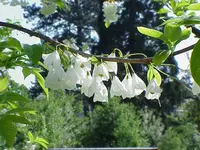
Carolina silverbell, Halesia carolina, is a small deciduous tree or large shrub known for its hanging white, bell-shaped flowers in spring. It develops a rounded crown and smooth gray bark, giving a refined look in landscapes.
This species naturally occurs in rich, moist woodlands and stream banks in the southeastern United States. It prefers acidic, well-drained soil and consistent moisture, which influences how easy it is to establish.
Once sited correctly, growth is steady but not fast, and it benefits from shelter from harsh, drying winds. Understanding how to care for Carolina silverbell starts with choosing a location that matches its woodland origins.

Care Difficulty
Moderate Care

Light Preference
Partial Shade

Water Requirements
Regular Water

Temperature Preference
Cold Hardy

Hardiness Zone
4–8

Soil Texture
Loamy, Sandy, Organic-rich

Soil pH
Strongly acidic (4.5–5.5), Acidic (5.5–6.5)

Soil Drainage
Moist but well-drained

Fertilization
Minimal (feed rarely)
Scan your plant to receive care tips personalized for your specific plant
Available on iOS and Android
This small woodland tree prefers bright, gentle light rather than harsh, all-day sun.
This species prefers consistently moist, cool soil that never stays waterlogged.
This deciduous tree is adapted to temperate climates with cold winters and mild to warm summers.
This species handles a wide humidity range and rarely needs special humidity management outdoors.
This tree prefers consistently moist, well-drained, slightly acidic soil to support healthy flowering and root growth.
This species is only moderately suitable for containers and performs best in the ground over the long term.
This native tree usually grows well in average garden soil, so fertilizing Carolina silverbell should stay moderate and targeted.
Pruning Halesia carolina is mainly about light maintenance to support structure, safety, and flowering.
This species is usually grown in the ground; transplanting matters most while the tree is still young.
Halesia carolina is most often propagated from seed, which can be slow but is the standard method.
Mature Halesia carolina trees are generally cold hardy in suitable climates and need minimal winter care.

Plant Health Check
Not sure what's wrong with your plant? Check your plant's health inside the app.
This species is naturally concentrated in the southeastern US Piedmont and lower mountain regions, often along stream banks and moist ravines where acidic, well-drained soils and partial shade create ideal conditions for its growth.
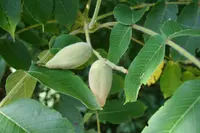
After flowering, it produces dry, pale green to tan fruits with four prominent wings, a key diagnostic feature that helps distinguish it from other Halesia species, which often have differently shaped or fewer wings.
Its bell-shaped white flowers open in early to mid-spring before or as leaves emerge, providing an important early nectar and pollen source for native bees and other pollinators in eastern deciduous forests.

Halesia carolina was first described scientifically in the mid-18th century and became popular in European gardens soon after introduction, making it one of the earlier North American woodland ornamentals to influence European landscape design.
Lack of flowers is usually due to too much shade, nutrient-poor or very dry soil, or pruning at the wrong time, which removes flower buds. Late frosts can also damage forming buds and reduce spring bloom.
Keep your plants happy and healthy with plant identification, disease detection, and easy care guidance.