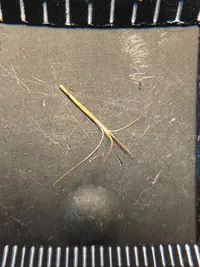
Common Grasslily Care (Caesia contorta)

Also known as: Afternoon Grasslily
Common Grasslily

About Common Grasslily

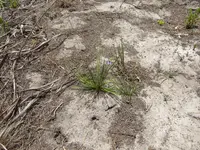
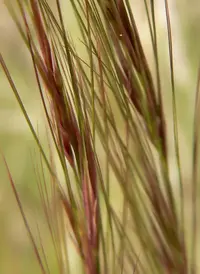
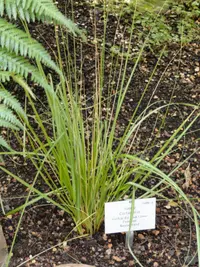
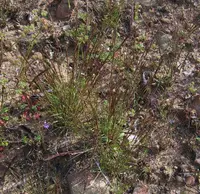
Common grasslily, Caesia contorta, is a small, grass-like perennial from Australia, often forming loose clumps of narrow arching leaves. It produces delicate white star-shaped flowers on slender stems, followed by small decorative capsules. In the wild, it is found in open woodlands, grasslands, and rocky sites, usually in well-drained soils. The plant is generally undemanding, which makes it suitable for gardeners looking to care for Common Grasslily with minimal fuss. It usually prefers bright light, moderate moisture, and soil that does not stay waterlogged for long periods.


Main Plant Requirements

Care Difficulty

Moderate Care

Light Preference

Partial Shade

Water Requirements

Moderate Water

Temperature Preference

Warm Climate

Hardiness Zone

Unknown

Soil Texture

Sandy, Loamy

Soil pH

Acidic (5.5–6.5)

Soil Drainage

Well-drained

Fertilization

Minimal (feed rarely)

Get Personalized Care Plan

Scan your plant to receive care tips personalized for your specific plant

Available on iOS and Android

How to Care for the Common Grasslily

Caesia contorta prefers bright, open conditions with protection from the harshest sun.

  • Provide 4–6 hours of direct morning sun or light midday sun, with some shade or filtered light after 1–2 pm, especially in hotter regions.
  • Tolerates light to partial shade (around 2–4 hours sun), but flowering and clump density may decrease with too little light.
  • In summer, monitor for leaf scorching in intense afternoon sun; in winter, ensure the Common Grasslily is not shaded all day by buildings or trees.

This tufted species prefers moderately moist but not constantly wet soil.

  • In active growth, water when the top 3–5 cm of soil feel dry, aiming for soil that moistens through then drains freely within minutes.
  • Use well-drained sandy or loamy soil; persistent puddling, sour smell, or yellowing, limp leaves suggest overwatering or poor drainage.
  • In cooler months, allow slightly drier conditions and extend intervals between waterings; curling or crisp leaf tips indicate underwatering in Caesia contorta.

This species is adapted to mild, temperate conditions with brief tolerance of heat and light frost.

  • Optimal growth occurs around 60–77°F (16–25°C), with steady temperatures supporting strong foliage and flowering.
  • Tolerates short dips to about 25–28°F (-4 to -2°C), but repeated hard frosts can damage leaves; mulch crowns lightly in colder climates.
  • Handles summer heat up to about 90–95°F (32–35°C) if soil moisture is maintained and the plant has some afternoon shade to reduce stress.

This species is tolerant of typical household humidity and rarely needs special humidity management.

  • Aim for 30–60% relative humidity, similar to most lived-in rooms, for stable growth of Common Grasslily.
  • It tolerates dry indoor air, but prolonged levels below 30% can slow growth and cause leaf tips to dry or brown.
  • If air is very dry near heaters or vents, move the pot away or group plants together rather than misting frequently.

This species prefers loose, free-draining soil that mimics a sandy, low-fertility habitat.

  • Use a mix of roughly 50–60% coarse sand, 20–30% regular potting mix, and 10–20% fine gravel or perlite to keep Caesia contorta well aerated.
  • Aim for slightly acidic to neutral pH, around 6.0–7.0, which supports healthy root function without nutrient lockout.
  • Ensure water drains through in seconds, not minutes; add more sand or fine grit if the mix stays wet or compacts easily.
  • Avoid heavy clay, peat-heavy, or boggy mixes that hold water around the roots and encourage rot.

This species is suitable for container growing, especially in well-drained, sun-exposed spots.

  • Choose a container deeper than it is wide to accommodate the fibrous root system and prevent the plant from drying out too quickly.
  • Select a heavier pot material, such as ceramic, in windy sites so the narrow foliage clumps do not topple easily.
  • Elevate the pot slightly on feet or bricks so drainage holes stay clear and water exits quickly after rainfall or watering.

Caesia contorta benefits from light, targeted feeding rather than heavy fertilization.

  • Use a balanced, low-strength liquid fertilizer (for example 10-10-10) at 1/4–1/2 label rate during active growth in spring and early summer.
  • Apply every 4–6 weeks if growth is weak or foliage pale; skip feedings when growth is strong in fertile soil.
  • Stop feeding in late summer and through winter dormancy to avoid soft, cold-sensitive growth.
  • In lean soils, a thin surface layer of compost in spring supports growing Common Grasslily without overloading nutrients.

Caesia contorta needs only light, maintenance pruning to stay tidy and healthy.

  • Carry out pruning in late winter or early spring before strong new growth starts.
  • Remove dead, damaged, or diseased leaves and flower stalks with clean, sharp scissors or hand pruners.
  • Thin crowded clumps by cutting out older, weak fans at the base to improve airflow and light penetration.
  • Limit pruning to cosmetic shaping; avoid cutting into healthy green foliage more than necessary to maintain vigor.

This species is usually grown in the ground, so focus on careful transplanting rather than frequent repotting.

  • Transplant in early to mid spring when soil is workable and new growth is just beginning.
  • Look for signs such as crowded clumps, reduced flowering, or roots circling in containers to decide when to move or divide plants.
  • Lift clumps with a fork, keeping as much root mass and surrounding soil intact as possible to limit transplant shock.
  • Replant at the same depth in well-drained soil, water thoroughly, then shade lightly for 3–5 days to reduce stress.

Caesia contorta is typically propagated by division or seed under suitable outdoor or nursery conditions.

  • Divide mature clumps in early spring, lifting the plant and teasing apart natural offsets with roots attached.
  • Replant divisions into well-drained soil, spacing them so leaves do not crowd, then water to settle soil around roots.
  • Collect ripe seed and sow fresh in trays outdoors, allowing natural temperature fluctuations to aid germination.
  • Keep seed mix just moist, not wet, in bright, indirect light until seedlings are large enough to handle.

This species is generally cold hardy in mild to moderate climates and needs only modest winter care outdoors.

  • Tolerates light frosts, but prolonged freezes below local norms can damage foliage and crowns.
  • Apply a 3–5 cm layer of mulch around the root zone in late fall, keeping it just clear of the crown.
  • In colder regions, grow Caesia contorta in containers and move under cover or into a cool, bright space before hard frost.

Care Tips

Clump Division Timing

Divide crowded clumps in late winter or very early spring, lifting the plant with a fork, gently teasing apart fans with roots attached, and replanting divisions at the same depth to maintain vigor and prevent dieback in the center of the clump.

Seed Collection Practice

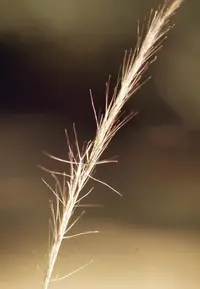
Collect seed heads once they turn brown and dry on the plant, then gently crush and sieve them to separate viable seed, storing it in a labeled paper envelope in a cool, dry place for more controlled propagation.

Weed-Suppressing Mulch

Apply a thin, 2–3 cm layer of fine gravel or coarse sand around the base to suppress weeds and reduce soil splash on leaves while still allowing good drainage for this species.

Low-Impact Pest Checks

Inspect leaf bases and the crowns monthly for aphids, scale, or mealybugs, using a soft brush and a gentle stream of water to dislodge early infestations before considering any chemical treatments.

Dry-Season Management

In regions with hot, dry summers, mark clump locations with unobtrusive tags so the plant is not disturbed while dormant, and avoid deep digging or cultivation in these spots when caring for Common Grasslily.

Common Pests and Diseases

Scale insects

These insects feed on sap along the strappy leaves and flower stalks, causing yellowing, reduced vigor, and sticky honeydew on nearby surfaces.

Solution

Physically remove clusters with a cotton swab dipped in isopropyl alcohol, then wash foliage with a mild soapy water solution and rinse well; for outdoor clumps, encourage beneficial insects and, if needed, use a horticultural oil spray labeled for ornamental perennials, applied in the cool part of the day.

Mealybugs

These insects appear as white, cottony masses in leaf bases and at the crown, where they sap plant strength and can stunt new growth.

Solution

Isolate affected plants, dislodge visible mealybugs with a cotton swab and alcohol, then repeat gentle soapy water washes weekly until no new insects appear; in larger landscape plantings, a targeted application of horticultural oil can help break the lifecycle while preserving beneficial predators.

Leaf spot

This disease causes small tan, brown, or purplish spots on the narrow leaves, which may merge into larger patches under prolonged moisture and poor airflow.

Solution

Remove and discard affected leaves, avoid overhead watering, and water early in the day so foliage dries quickly; improve spacing and airflow around clumps, and if spots continue to spread, apply a fungicide labeled for leaf spot on ornamental grasses and lilies, following the product directions carefully.

Interesting Facts

Australian grass lily

Caesia contorta is a small tufted herb native to southern and eastern Australia, where it grows in open forests, woodlands, and grasslands, often on well-drained sandy or loamy soils.

Twisted foliage habit

The species name contorta refers to its slightly twisted, wiry leaves, which form fine grassy clumps that help it tolerate wind exposure and light foot traffic in its natural habitat.

Delicate blue flowers

It produces small, star-shaped blue to mauve flowers on slender stems, typically in spring to early summer, providing nectar and pollen for native insects in its home range.

FAQs about Common Grasslily

Lack of flowering usually comes from insufficient light, nutrient-poor or very dry soil, or plants that are still immature. Ensure moderate light, slightly moist but free‑draining soil, and avoid heavy cutting back just before the flowering season.

Grow Healthy Plants with Botan Care

Keep your plants happy and healthy with plant identification, disease detection, and easy care guidance.

Botan plant care app — identify plants on mobile

Explore More Plants