Encourage bushy shape
Pinch or lightly shear back the youngest, whippy stems right after flowering to encourage denser branching and a fuller, wind-resistant shrub.

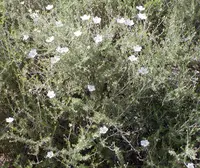
Apache plume, Fallugia paradoxa, is a hardy, deciduous shrub native to arid regions of the southwestern United States and northern Mexico. It naturally grows on rocky slopes, desert grasslands, and open scrub.
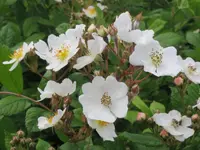
The plant forms a loose, airy mound with small, finely divided leaves and showy white flowers that develop into soft, feathery pink seed plumes. Its deep root system and drought tolerance make it suitable for xeriscapes and low-maintenance landscapes.
Because it handles poor, well-drained soils and intense sun, many gardeners find it relatively simple to care for Apache plume, provided excess moisture is avoided.

Care Difficulty
Easy Care

Light Preference
Full Sun

Water Requirements
Low Water

Temperature Preference
Cold Hardy

Hardiness Zone
4–9

Soil Texture
Sandy, Loamy, Rocky

Soil pH
Neutral (7.0), Slightly alkaline (7.0–7.5)

Soil Drainage
Well-drained

Fertilization
Minimal (feed rarely)
Scan your plant to receive care tips personalized for your specific plant
Available on iOS and Android
This desert shrub thrives in strong light and suits open, exposed sites.
This species is strongly drought tolerant once established and prefers infrequent, deep watering.
This shrub is adapted to wide temperature swings typical of arid and semi-arid climates.
Humidity is rarely a concern for Apache plume, which is adapted to very dry air.
Fallugia paradoxa thrives in lean, sharply drained soils that mimic desert or rocky slopes.
This species can be grown in containers if the pot and substrate prevent prolonged moisture around the roots.
Fallugia paradoxa is a low-nutrient desert shrub that benefits from only light feeding in poor soils.
Fallugia paradoxa responds well to modest pruning to maintain shape and flowering wood.
This deep-rooted desert shrub is best planted in the ground, with transplanting done infrequently and carefully.
Fallugia paradoxa can be propagated by seed or semi-woody cuttings when conditions are warm and bright.
This shrub is quite cold hardy in much of its range and usually needs minimal winter care when planted in the ground.

Plant Health Check
Not sure what's wrong with your plant? Check your plant's health inside the app.
This shrub’s dense, fibrous root system is highly effective at stabilizing loose, sandy or gravelly soils in arid canyons and washes, so it is often used in restoration projects to reduce erosion in Southwestern desert landscapes.
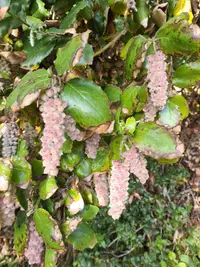
After its white flowers are pollinated, the plant produces clusters of long, feathery styles that form pinkish plume-like seed heads, which aid wind dispersal and give the shrub its distinctive, ornamental appearance.
In its native desert habitats, the shrub tolerates intense heat, prolonged drought, and periodic fire, and it can resprout from its woody base after damage, making it a resilient component of dryland ecosystems and an excellent candidate when looking into Fallugia paradoxa care.

Indigenous peoples in the Southwestern United States traditionally used this shrub’s tough, flexible stems for practical items such as arrows, cradle frames, and cordage, reflecting its long-standing cultural significance as a local woody resource in arid regions.
Sparse or absent flowering usually comes from too much shade, overly rich or wet soil, or heavy pruning at the wrong time. Avoid fertilizing, keep soil lean and well-drained, and prune lightly only after flowering to support growing Apache plume.
Keep your plants happy and healthy with plant identification, disease detection, and easy care guidance.