Red-fruit Spicebush Care (Lindera erythrocarpa)

Red-fruit Spicebush

About Red-fruit Spicebush

Red-fruit spicebush, Lindera erythrocarpa, is a deciduous shrub or small tree known for its aromatic foliage and bright red fruits in late season. It forms a rounded, branching habit that suits woodland gardens and naturalistic plantings.

This species is native to East Asia, where it grows in forest edges and mountain woodlands. Its tolerance of light shade, cool climates, and average garden soils makes it moderately easy to grow when sited correctly.

Gardeners who learn how to care for Red-fruit Spicebush usually focus on providing consistent moisture, free-draining soil, and shelter from harsh, drying winds.

Main Plant Requirements

Care Difficulty

Moderate Care

Light Preference

Partial Shade

Water Requirements

Moderate Water

Temperature Preference

Cool Climate

Hardiness Zone

6–9

Soil Texture

Loamy, Sandy, Organic-rich

Soil pH

Acidic (5.5–6.5), Slightly acidic (6.5–7.0)

Soil Drainage

Moist but well-drained

Fertilization

Minimal (feed rarely)

Get Personalized Care Plan

Scan your plant to receive care tips personalized for your specific plant

Available on iOS and Android

How to Care for the Red-fruit Spicebush

This deciduous shrub prefers bright conditions with some protection from harsh midday sun.

  • Provide 4–6 hours of direct morning sun with light shade or filtered light in the afternoon, especially in hotter regions.
  • Tolerates partial shade, but dense shade reduces flowering and fruiting of Red-fruit Spicebush and can cause sparse, leggy growth.
  • In hot summers, monitor for leaf scorch on south- or west-facing exposures and increase shade; in cooler climates, choose a more open, sunny site.

This shrub prefers evenly moist, well-drained soil that never stays waterlogged.

  • Water when the top 3–5 cm of soil feels dry, focusing on deep soaking rather than frequent light sprinkling to encourage strong roots.
  • During spring and summer growth, keep moisture more consistent; in autumn and winter, allow slightly longer drying between waterings, especially in heavier soils.
  • Watch for yellowing, soft leaves and consistently wet soil as signs of overwatering; dry, curling leaves and slow growth suggest the need for more moisture around Lindera erythrocarpa.

This species is a temperate shrub that handles cool winters and warm summers if extremes are avoided.

  • Optimal growing temperatures are about 60–77°F (16–25°C) during the active season, supporting steady shoot and root development.
  • Mature plants tolerate winter lows near 0°F (−18°C) once established, but young shrubs benefit from mulch over the root zone to buffer freeze–thaw cycles.
  • Heat up to about 86–90°F (30–32°C) is usually acceptable if soil moisture is maintained; prolonged heat or drying winds increase leaf stress and scorch risk.

This shrub handles a wide humidity range but grows best with moderate ambient moisture.

  • Aim for 40–60% humidity; brief dips lower are tolerated without damage.
  • Dry indoor air can cause leaf tip browning and marginal scorch, especially in heated rooms.
  • Increase humidity by grouping plants outdoors near other shrubs or using a pebble tray or nearby humidifier for Red-fruit Spicebush kept under cover.

This species prefers a loose, moist, well-aerated substrate that never stays waterlogged.

  • Use a loamy mix rich in organic matter, combining garden loam with compost and leaf mold for structure and moisture retention.
  • Ensure free drainage by incorporating coarse sand or fine gravel so water moves through the profile instead of pooling around roots.
  • Target slightly acidic to neutral conditions, around pH 5.5–7.0, which supports nutrient uptake for Lindera erythrocarpa.
  • Improve aeration by avoiding compaction; lightly fork or top-dress with compost rather than tilling deeply, and do not plant in heavy, poorly drained clay basins.

This shrub can be grown in containers, but it suits larger, stable pots rather than small decorative ones.

  • Choose a deep, wide container to allow the woody root system to extend without circling tightly near the walls.
  • Use a heavier material such as ceramic or thick-walled plastic to increase stability against wind as the top growth becomes bushy.
  • Raise the pot slightly on feet or bricks so drainage holes clear the ground and excess water exits quickly instead of stagnating at the base.

This deciduous shrub benefits from modest feeding in nutrient-poor soils but usually needs only light support.

  • Use a balanced slow-release fertilizer (such as 10-10-10) or a thin layer of well-rotted compost in early spring for Red-fruit Spicebush.
  • Apply once in spring and, if growth is weak, once in mid-summer during the main growing season.
  • Dilute liquid feeds to 1/2 strength to avoid salt buildup and root burn.
  • Stop feeding in late summer so shoots harden before winter and do not fertilize during dormancy.

Pruning Lindera erythrocarpa is mainly corrective and shaping, rather than heavy or frequent.

  • Carry out pruning in late winter or very early spring before new growth starts.
  • Remove dead, diseased, crossing, or storm-damaged branches first to maintain plant health.
  • Thin crowded interior shoots to improve light and air flow while keeping the natural, loose shape.
  • Use clean, sharp bypass pruners or loppers, making angled cuts just above healthy buds.

This species is usually grown in the ground, so focus on careful transplanting rather than frequent repotting.

  • Transplant in early spring or early fall when temperatures are mild and soil is workable.
  • Look for signs such as roots circling the container, poor vigor, or the root ball drying out very quickly.
  • Move plants no more than every few years, choosing a site with similar light and soil, and a hole slightly wider than the root ball.
  • Water thoroughly after planting, apply a 5–8 cm mulch layer, and keep soil evenly moist to reduce transplant shock.

Propagation of this shrub is possible but requires patience and attention to timing and conditions.

  • Sow fresh seeds in fall in deep trays or pots outdoors to allow natural cold stratification over winter.
  • Take semi-ripe cuttings in mid- to late summer, 8–12 cm long, and remove lower leaves.
  • Insert cuttings into a sterile, free-draining mix, keep at 68–75°F, and maintain high humidity with bright, indirect light.
  • Layer low, flexible stems by pinning them into shallow trenches of moist soil until roots form, then detach and plant.

This deciduous shrub is generally cold hardy in suitable climates and often needs only modest winter care.

  • In regions with severe winters, apply a 5–8 cm mulch layer over the root zone after the ground cools.
  • Keep mulch slightly away from the main stems to reduce rot and rodent damage.
  • For container plants, move pots into an unheated garage or sheltered area where temperatures stay above about 20°F.

Care Tips

Encourage Dense Branching

Pinch or lightly tip-prune young shoots in late spring to early summer to encourage a bushier framework that supports heavier fruiting and better wind resistance.

Mulch For Root Stability

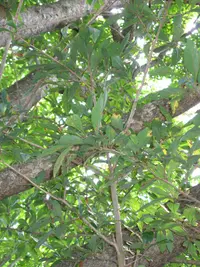
Apply a 5–8 cm layer of shredded bark or leaf mold over the root zone, keeping it 5 cm away from the trunk, to moderate soil temperature, conserve moisture, and protect the fine feeder roots that this species relies on.

Understory Companion Planting

Plant shade-tolerant groundcovers around the base to keep roots cool, reduce weed pressure, and create a more stable microclimate similar to its natural woodland habitat.

Wind Protection Planning

Site the shrub where taller trees, hedges, or fences break strong prevailing winds to reduce desiccation of foliage and protect developing fruit clusters from damage.

Wildlife-Safe Management

Avoid broad-spectrum insecticides during flowering and fruit set, since birds and pollinators use this shrub as a food source; spot-treat issues instead as part of responsible caring for Red-fruit Spicebush.

Common Pests and Diseases

Leaf spot

Symptoms include small brown or black spots on leaves that may merge into larger dead patches, especially in humid, shaded conditions. This disease is usually caused by fungal pathogens that take advantage of prolonged leaf wetness.

Solution

Prune out and dispose of heavily spotted leaves, improve airflow by thinning crowded branches, and avoid overhead watering so foliage dries quickly. In persistent cases, a copper-based or chlorothalonil fungicide labeled for ornamental shrubs can be applied at the first signs of spotting, following local label directions.

Powdery mildew

This disease produces a white or gray powdery coating on upper leaf surfaces, sometimes leading to leaf curling or premature leaf drop. It tends to develop during warm days with cool, humid nights and poor air movement.

Solution

Remove and dispose of badly affected leaves and trim nearby vegetation to increase light and air circulation around the shrub. If needed, apply a sulfur or potassium bicarbonate fungicide at the earliest signs of infection and repeat as directed, which is often helpful when growing Red-fruit Spicebush in dense plantings.

Scale insects

These insects appear as small, immobile bumps on stems and sometimes leaves, and they feed by sucking sap, which can cause yellowing, slowed growth, and sticky honeydew deposits. This pest is more common on older, woody stems and plants under stress.

Solution

Prune out heavily infested twigs and wipe remaining scales with a cloth or soft brush dipped in insecticidal soap or horticultural oil. For larger shrubs, a dormant-season horticultural oil spray can greatly reduce populations by smothering overwintering scales, while summer oil or soap sprays help manage any survivors.

Leaf miners

This pest lives inside the leaf tissue, creating pale, winding tunnels or blotches that distort the foliage. Damage is usually cosmetic but can be noticeable on young plants or where many larvae are present.

Solution

Remove and destroy mined leaves as soon as they appear to reduce the number of larvae that can complete their life cycle. For ongoing problems, a systemic insecticide containing spinosad or similar active ingredient labeled for ornamental shrubs can be used according to label directions, targeting early stages of infestation.

Interesting Facts

Bright autumn display

This deciduous shrub or small tree is especially valued in East Asian gardens for its vivid red to orange autumn foliage, which contrasts strongly with the smooth gray bark and makes it a seasonal highlight in temperate landscapes.

Bird-dispersed red fruits

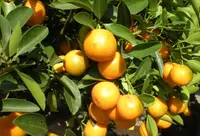
The plant produces glossy red drupes in late season that are eaten by birds, which then disperse the seeds and help maintain natural populations in its native forests of China, Korea, and Japan.

Aromatic laurel relative

As a member of the laurel family (Lauraceae), its leaves and twigs contain aromatic compounds that release a noticeable scent when crushed, similar to other spicebush and laurel relatives.

Botan icon

Did you know?

In parts of East Asia, especially Korea and Japan, this species is planted not only as an ornamental but also as a traditional dye and seasoning source, where its aromatic tissues and pigments have been used in small-scale local crafts and food culture.

FAQs about Red-fruit Spicebush

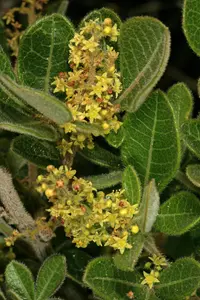
The small yellowish spring flowers are rich in nectar and pollen, attracting a range of native bees and early-season pollinators. The aromatic foliage and later red fruits also support wildlife, making this shrub valuable in ecological plantings.

Grow Healthy Plants with Botan Care

Keep your plants happy and healthy with plant identification, disease detection, and easy care guidance.

Botan plant care app — identify plants on mobile

Explore More Plants