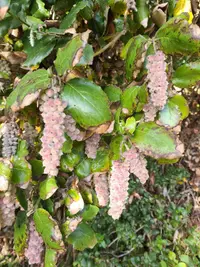
Waxy Currantrhus Care (Searsia lucida)

Also known as: Glossy Currantrhus, Glossy Crowberry, Glossy Currant, Shiny-Leaved Rhus, Wax-Leaved Crowberry, Wax-Leaved Rhus, Waxy Currant
Waxy Currantrhus

About Waxy Currantrhus

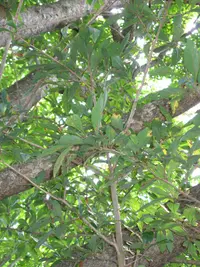
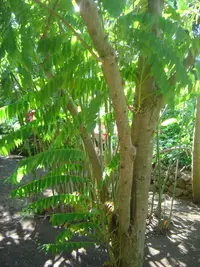
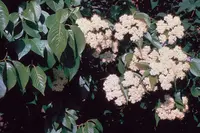
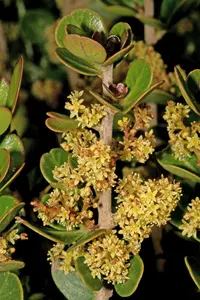
Waxy Currantrhus (Searsia lucida) is an evergreen shrub or small tree known for its glossy, leathery leaves and dense, rounded crown. It often forms neat, bushy hedges or small specimen trees in suitable climates.

This species is native to coastal and inland regions of southern Africa, where it naturally tolerates wind, salt spray, and periods of dryness. These traits make it a relatively resilient landscape plant when established.

Searsia lucida prefers well-drained soil, regular but moderate moisture, and bright light, from full sun to light shade. Its toughness and moderate growth rate make it straightforward to care for Waxy Currantrhus in mild, frost-free areas.

Main Plant Requirements

Care Difficulty

Easy Care

Light Preference

Full Sun

Water Requirements

Low Water

Temperature Preference

Warm Climate

Hardiness Zone

9–11

Soil Texture

Sandy, Loamy, Rocky

Soil pH

Slightly acidic (6.5–7.0), Neutral (7.0)

Soil Drainage

Well-drained

Fertilization

Minimal (feed rarely)

Get Personalized Care Plan

Scan your plant to receive care tips personalized for your specific plant

Available on iOS and Android

How to Care for the Waxy Currantrhus

This evergreen shrub prefers bright conditions and adapts well to open garden sites.

  • Provide 6–8 hours of sun daily, ideally with morning sun and light afternoon shade, especially in hotter inland climates.
  • Tolerates partial shade (around 3–4 hours sun) but growth becomes looser and flowering/fruiting may decrease, which affects Waxy Currantrhus ornamental value.
  • In very exposed sites, protect from harsh afternoon sun to reduce leaf scorch and moisture stress, and consider that winter sun is weaker so nearby shade structures matter less.

This drought-tolerant shrub prefers deep, infrequent watering over light, frequent drinks.

  • Allow the top 5–8 cm of soil to dry before watering again, then water slowly so the root zone is moistened to at least 20–30 cm depth.
  • In the first 1–2 growing seasons, water when leaves lose some gloss or start to droop slightly; after establishment, water mainly during prolonged dry spells.
  • Use sharply drained soil to prevent root rot; persistent wilting with damp soil suggests overwatering, while crisp, browning leaf tips suggest underwatering.

This species handles a wide temperature range once established but grows fastest in mild conditions.

  • Optimal growth occurs around 65–80°F (18–27°C), where shoot extension and leaf production are most consistent.
  • Mature plants often tolerate short dips to about 25°F (−4°C), but foliage damage may occur near this point and young plants are more tender.
  • Heat up to 95–100°F (35–38°C) is tolerated if soil moisture is adequate; in regions with repeated hard frosts, plant in a warmer microclimate such as near a south-facing wall.

This shrub tolerates a wide humidity range but grows best with moderate ambient moisture.

  • Aim for 30–60% humidity, which matches most heated and air-conditioned homes.
  • Tolerance to dry air is high, but prolonged levels below 25% can lead to leaf edge browning and fine-tip dieback.
  • Increase humidity during very dry spells by grouping plants or placing a wide water tray with pebbles nearby, not under the Waxy Currantrhus.

This shrub prefers well-drained, moderately fertile soil with a slightly coarse texture.

  • Use a sandy or sandy-loam mix with 40–60% mineral grit (coarse sand or fine gravel) and 40–60% organic matter such as composted bark or leaf mold for Searsia lucida.
  • Ensure very sharp drainage; in containers or raised beds, blend in perlite or pumice at 20–30% of the volume to prevent waterlogging.
  • Target a slightly acidic to neutral pH of about 6.0–7.0, avoiding strongly acidic or alkaline conditions that can cause nutrient lockout and leaf chlorosis.
  • Avoid compacted, heavy clay or constantly wet substrates; loosen existing ground soil with coarse sand and organic matter to improve porosity and root aeration.

This species is suitable for container growing, especially in smaller gardens or patios.

  • Select a deep, wide container to accommodate its eventually woody root system and reduce the risk of tipping in strong wind.
  • Choose a heavy material such as ceramic or concrete in exposed sites so the plant’s bushy top growth does not destabilize the pot.
  • Drill extra sidewall drainage holes near the base if allowed by the container design to speed water exit from dense mixes in wet climates.

Searsia lucida usually grows well in average soil, but light feeding supports stronger growth in containers or poor ground.

  • Use a balanced slow-release fertilizer (for example 10-10-10) or well-rotted compost at the start of spring for Waxy Currantrhus.
  • Apply granular or slow-release products once in spring and, if needed, again in midsummer for young or container plants.
  • Dilute liquid feeds to 1/2 strength and apply only to moist soil to avoid root burn.
  • Stop feeding in late summer so growth can harden before winter, and do not fertilize during winter dormancy.

Searsia lucida responds well to light structural pruning to maintain a compact, balanced canopy.

  • Carry out main pruning in late winter to early spring before new growth starts.
  • Remove dead, diseased, crossing, or rubbing branches first, then thin crowded interior shoots for better light and airflow.
  • Shorten overly long shoots to shape the plant, encouraging denser branching and tidier form.
  • Use clean, sharp bypass pruners or loppers, making smooth cuts just above outward-facing buds or branch collars.

This species is most often grown in the ground, so focus on careful transplanting rather than frequent repotting.

  • Transplant young Searsia lucida plants in late winter to early spring while still dormant for faster establishment.
  • Look for signs like roots circling the pot, water running straight through, or slow growth in containers before moving up 1 pot size.
  • Dig a wide planting hole, keep the root ball intact, and set the root flare at soil level to minimize transplant shock.
  • Water deeply after planting, mulch 5–8 cm around (not touching the trunk), and keep soil evenly moist until new growth resumes.

Searsia lucida is usually propagated from semi-hardwood cuttings or seeds under warm, bright conditions.

  • Take semi-hardwood cuttings in late summer, 8–12 cm long, and remove lower leaves.
  • Dip cut ends in rooting hormone, then place in a free-draining mix such as 50% perlite and 50% coarse sand or bark.
  • Maintain 70–80°F warmth, bright indirect light, and high humidity until roots form, then harden off gradually.
  • Sow fresh seeds in autumn in a gritty seed mix, providing light cover and consistent, moderate moisture for steady germination.

In mild to moderate climates, this shrub is fairly cold tolerant and usually needs minimal winter care.

  • In regions with frost, add a 5–8 cm mulch layer over the root zone, keeping it slightly away from the stem.
  • For young or container plants, move pots into a sheltered spot such as an unheated garage or porch during hard freezes.
  • Brush off heavy snow from branches to limit breakage, and avoid winter pruning that can stimulate tender growth.

Care Tips

Wind-hardening young plants

Expose young shrubs to increasing wind over several weeks by gradually reducing nearby windbreaks, which encourages sturdier stems and better resistance to storm damage.

Salt-spray management

In coastal sites, lightly hose foliage with fresh water every few weeks during dry periods to remove salt deposits and reduce leaf scorch and marginal burn.

Low-branch selection

Decide early whether the plant will be a screen or small tree, then either retain lower branches for dense screening or progressively remove them over several seasons to raise the canopy without heavy shock pruning.

Underplanting for moisture

Establish a low, drought-tolerant groundcover around the base to shade the soil surface, which helps reduce evaporation and keeps the root zone more stable between waterings.

Periodic structural check

Once a year, inspect major branch junctions for tight V-shaped crotches or rubbing branches and remove only one of the competing stems, which helps prevent future splitting and improves long-term structure when growing Waxy Currantrhus.

Common Pests and Diseases

Scale insects

This pest feeds on stems and leaves, causing yellowing, reduced vigor, and sticky honeydew that can lead to sooty mold on Searsia lucida foliage.

Solution

Gently scrape or wipe scales off with a cotton pad dipped in 70% isopropyl alcohol, then wash the plant with a mild soapy water solution; in persistent outdoor infestations, use a horticultural oil spray targeting the undersides of leaves and young stems while maintaining good airflow in the canopy.

Aphids

These insects cluster on young shoots and leaf undersides, sucking sap and distorting new growth while producing honeydew that attracts ants.

Solution

Spray affected shoots with a strong stream of water to dislodge aphids, then follow with an application of insecticidal soap or a light horticultural oil, repeating every 5–7 days until new growth remains clean and limiting excess nitrogen fertilization that encourages soft, aphid-prone foliage.

Leaf spot

This disease causes small dark lesions on leaves that may expand, merge, and lead to premature leaf drop, especially in humid or crowded conditions.

Solution

Prune out and dispose of heavily affected twigs and fallen leaves, improve light and airflow through selective thinning, avoid overhead watering, and in severe or recurrent outdoor cases apply a copper-based or other labeled fungicide at the first appearance of new spots according to Searsia lucida care instructions.

Powdery mildew

This disease produces a white, powdery coating on leaves and young shoots, which can reduce photosynthesis and cause distorted or stunted new growth.

Solution

Remove and discard heavily infected leaves, increase sun exposure and airflow where possible, avoid high-nitrogen feeding, and if needed use a labeled fungicidal spray such as potassium bicarbonate or sulfur, applied in dry conditions to all leaf surfaces.

Interesting Facts

Evergreen coastal shrub

This species is a tough, evergreen shrub or small tree native to South African coastal regions, where it naturally withstands salt-laden winds and sandy, nutrient-poor soils.

Glossy protective foliage

Its thick, glossy leaflets have a waxy cuticle that helps reduce water loss and protects against salt spray and intense sun in its native habitat.

Wildlife support role

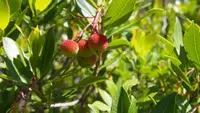
The small, dark fruits provide food for birds and other wildlife, and the plant also offers dense shelter, making it an important structural species in coastal thicket and dune vegetation.

Botan icon

Did you know?

Searsia lucida is often used in coastal rehabilitation projects in South Africa because its strong, fibrous root system helps stabilize shifting dunes and prevent erosion in exposed, windy sites.

FAQs about Waxy Currantrhus

This species is evergreen in mild climates, holding glossy foliage year-round. In colder regions it may thin slightly in winter, but leaves generally persist, making it useful for long-term structure and screening in landscapes.

Grow Healthy Plants with Botan Care

Keep your plants happy and healthy with plant identification, disease detection, and easy care guidance.

Botan plant care app — identify plants on mobile

Explore More Plants