balsam poplar Care (Populus balsamifera)

Also known as: Ontario Balsam Poplar, eastern balsam poplar
balsam poplar

About balsam poplar

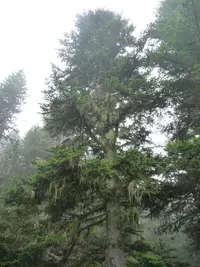
Balsam poplar (Populus balsamifera) is a fast-growing deciduous tree native to northern North America, especially in cool, moist regions. It often forms floodplain forests and riverbank stands.

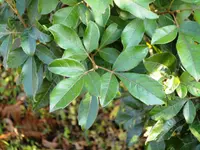
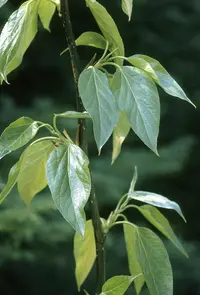
This species develops a tall, upright crown with narrow, glossy green leaves and fragrant, resinous buds. Its strong root system and tolerance of wet soils make it useful for stabilizing banks and reclaiming disturbed sites.

Growth is vigorous in full sun and moist, well-drained to periodically wet soils, but it dislikes hot, dry conditions and confined spaces. Understanding these natural preferences helps guide how to care for balsam poplar in larger gardens and landscapes.

Main Plant Requirements

Care Difficulty

Moderate Care

Light Preference

Full Sun

Water Requirements

Regular Water

Temperature Preference

Cold Hardy

Hardiness Zone

1–7

Soil Texture

Loamy, Silty, Organic-rich

Soil pH

Acidic (5.5–6.5), Slightly acidic (6.5–7.0)

Soil Drainage

Moist but well-drained

Fertilization

Minimal (feed rarely)

Get Personalized Care Plan

Scan your plant to receive care tips personalized for your specific plant

Available on iOS and Android

How to Care for the balsam poplar

This species is a cold-climate tree that performs best in strong, direct light outdoors.

  • Provide 6–10 hours of full sun daily; open sites with unshaded exposure suit balsam poplar best.
  • Tree tolerates light or partial shade, especially when young, but prolonged shade causes sparse branching, taller, weaker growth, and smaller leaves.
  • In hot summers, access to morning sun and some afternoon shade reduces leaf scorch risk, while in higher latitudes it can handle full sun all day.

This riparian tree prefers consistently moist but not stagnant soil.

  • Aim for evenly moist soil to at least 10–15 cm depth; do not allow long dry periods, especially in the first 2–3 years after planting.
  • In spring and early summer, ensure ample moisture during rapid growth; in late summer and fall, allow the upper soil to dry slightly more to reduce disease risk for Populus balsamifera.
  • Watch for yellowing leaves and dieback from prolonged drought, and for wilting with soggy soil as a sign of poor drainage or overwatering.

This hardy species is adapted to cold climates but grows fastest in cool to mild conditions.

  • Optimal growing temperatures are around 55–75°F (13–24°C), with best height and leaf growth in cool, moist summers.
  • Mature trees tolerate winter lows below -40°F (-40°C), but young saplings benefit from protection from drying winter winds their first 1–2 years.
  • Heat above 85–90°F (29–32°C), especially with drought, can slow growth and cause leaf stress, so combine with adequate moisture and, where possible, shelter from reflected heat.

Humidity is rarely a limiting factor for balsam poplar in typical outdoor conditions.

Populus balsamifera prefers moist, deep soils with structure that stays aerated yet does not dry out quickly.

  • Use a loamy soil with high organic matter, combining native mineral soil with 25–40% composted organic material.
  • Ensure moisture-retentive but not stagnant conditions; soils that hold water yet still drain within 24 hours suit this species best.
  • Aim for slightly acidic to neutral pH around 5.5–7.0, avoiding strongly alkaline or saline substrates that limit nutrient uptake.
  • Improve aeration and drainage in heavy clay by incorporating coarse sand or fine gravel into the top 20–30 cm before planting.

This species is generally unsuited to long-term container growing, except as a very short-term nursery specimen.

This species usually grows well in average soils, so fertilization for balsam poplar is rarely essential in the landscape.

  • On very poor or disturbed sites, apply a balanced slow-release NPK granular fertilizer in early spring.
  • Use a low to moderate rate; follow label directions and avoid over-application that can cause weak, fast growth.
  • Supplement with a light surface dressing of well-rotted compost to improve soil structure and nutrient availability.
  • Do not feed in late fall or winter, when the tree is dormant and nutrient demand is low.

Pruning supports safe structure and long-term health in Populus balsamifera.

  • Schedule main pruning during late winter or very early spring, before bud break.
  • Remove dead, diseased, storm-damaged, or rubbing branches with clean, sharp bypass pruners or a pruning saw.
  • Thin crowded interior branches to improve light penetration and airflow, reducing disease pressure.
  • Limit structural cuts on mature trees and consider a certified arborist for large or high limbs.

This fast-growing tree is usually field-grown, so care focuses on transplanting young stock rather than routine repotting.

  • Transplant container or nursery trees in early spring or early fall, when temperatures are mild and soil is workable.
  • Look for roots circling the container or emerging from drainage holes as a sign the plant has outgrown its pot.
  • Plant at the same depth as in the container, spread roots gently, and water thoroughly to settle soil and reduce air pockets.
  • Mulch 5–8 cm over the root zone after transplanting and keep soil evenly moist to minimize transplant shock.

New plants are commonly raised from both seeds and vegetative material in Populus balsamifera plant care.

  • Collect hardwood cuttings in late winter; use 15–25 cm sections of 1-year wood and insert into moist, well-drained medium.
  • Maintain cool conditions and consistent moisture; rooting improves with good aeration and high humidity.
  • Sow fresh seed in spring on the surface of a sterile, moist substrate, as poplar seed loses viability quickly.
  • Control weeds and provide full sun for young plants to build strong stems and root systems.

Established balsam poplar is very cold hardy and usually needs minimal winter care in the ground.

  • Young trees benefit from a 5–8 cm mulch layer over the root zone, kept away from direct trunk contact.
  • In exposed sites, use tree guards or wraps on young trunks to limit frost cracks and rodent damage.
  • Container-grown plants in cold regions should be moved to a sheltered, unheated but frost-moderated area.

Care Tips

Wind-firm training

In the first 3–5 years, leave some lower branches on the trunk and avoid staking too rigidly so the young tree flexes in the wind and develops a stronger root system and tapering trunk.

Root spread management

Plant at least 10–15 m away from buildings, septic systems, and paved areas, and install a 60–90 cm deep root barrier on the risk side if space is limited to reduce damage from aggressive surface roots.

Seasonal thinning cuts

In late winter, use selective thinning cuts (removing entire branches back to the origin) instead of heading cuts to reduce crown density, which lowers wind sail, limits storm damage, and slows suckering from stressed wood.

Sucker zone control

Mow or cut root suckers flush with the soil several times each growing season and avoid deep cultivation within 1–2 m of the trunk, which would stimulate even more suckering.

Targeted monitoring zones

Focus pest and disease checks on leaf undersides, shoot tips, and recent pruning points every 2–4 weeks in spring and early summer so that caring for balsam poplar includes early detection of cankers, leaf spots, and aphids before they spread widely.

Common Pests and Diseases

Poplar leaf rust

This disease causes yellow spots on upper leaf surfaces with orange powdery pustules on the undersides, often leading to early leaf drop in late summer. Symptoms include scattered to heavy infection, especially in warm, humid conditions or crowded plantings.

Solution

Collect and discard fallen leaves in autumn to reduce overwintering spores and avoid overhead watering that keeps foliage wet. In plantings where rust is severe year after year, increase spacing for better air movement and consider applying a labeled copper or chlorothalonil fungicide at the first appearance of spots, repeating as directed during prolonged wet periods.

Cytospora canker

This disease causes sunken, discolored patches on stems and branches, often with oozing resin and dieback beyond the canker. Symptoms include progressive branch death, especially on stressed or older trees.

Solution

Prune out infected branches several inches below visible cankers during dry weather and disinfect pruning tools between cuts with alcohol or a 10% bleach solution. Reduce stress by watering deeply during drought, avoiding trunk wounds, and thinning crowded growth so the tree maintains strong vigor, which is central to Populus balsamifera care instructions in landscapes.

Forest tent caterpillar

These insects defoliate trees in spring, leaving thin webbing on branches and large patches of chewed leaves, though they do not form dense tents like other caterpillars. This pest can cause nearly complete but usually temporary defoliation during outbreak years.

Solution

Monitor for early clusters of small caterpillars and egg masses on twigs and remove or destroy them by hand where possible. For larger trees or heavy infestations, use a biological product containing Bacillus thuringiensis (Bt) on young caterpillars when leaves first expand, and encourage natural predators by avoiding broad-spectrum insecticides.

Poplar borers

These insects tunnel into trunks and larger branches, weakening the wood and creating oval or round exit holes with sawdust-like frass at the base. This pest often attacks stressed or wounded trees and can lead to branch breakage or structural decline.

Solution

Prevent attacks by keeping trees vigorous through regular watering during dry spells, avoiding mechanical damage to the trunk, and pruning properly. If borers are present, prune out and destroy heavily infested limbs where practical, and consider a systemic insecticide applied by a certified arborist for valuable or repeatedly attacked trees.

Leaf and shoot blight

This disease causes small black or brown spots that enlarge and merge on young leaves and shoots, sometimes leading to curling, blackened tips, and dieback in wet springs. Symptoms include distorted new growth and thin foliage on affected branches.

Solution

Prune and dispose of blighted shoots during dry weather, cutting back into healthy tissue, and avoid dense, shaded planting that keeps foliage damp. Improve air circulation, irrigate at soil level rather than overhead, and in repeatedly affected trees consider a labeled fungicide spray at bud break and during extended wet periods.

Interesting Facts

Resin-scented buds

The winter buds produce a sticky, fragrant resin that releases a strong balsamic scent, especially noticeable in early spring thaws.

Floodplain specialist

This species naturally colonizes riverbanks and floodplains in cold climates, tolerating periodic flooding and waterlogged soils better than many other northern trees.

Hybridization with cottonwoods

It readily hybridizes with related cottonwood species, and these natural hybrids are important in forestry research because they often grow faster and show increased hardiness.

Botan icon

Did you know?

Its seeds are among the earliest to ripen and disperse in northern forests, releasing masses of cottony seeds soon after snowmelt and taking quick advantage of freshly exposed, moist river sediments before many other tree species can germinate.

FAQs about balsam poplar

This species grows very quickly, often 45–90 cm per year and more in ideal conditions. Growth is fastest in deep, moist, well‑drained soils and slows in compacted, dry, or nutrient‑poor sites.

Grow Healthy Plants with Botan Care

Keep your plants happy and healthy with plant identification, disease detection, and easy care guidance.

Botan plant care app — identify plants on mobile

Explore More Plants