Early root management
In the first 2–3 years, encourage a deep root system by watering more deeply but less often and keeping turfgrass at least 60–90 cm away from the trunk so roots do not have to compete for moisture and nutrients.

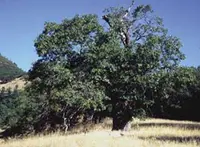
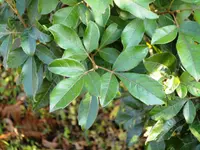
California black oak, Quercus kelloggii, is a large, deciduous oak tree native to the mountains and foothills of California and southwestern Oregon. It forms a broad, irregular crown with deeply lobed leaves that turn bright yellow to orange in autumn.
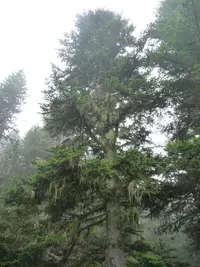
This species typically grows in mixed conifer and oak woodlands on well-drained slopes. It produces acorns that support many wildlife species and can form dense natural regeneration from seed and stump sprouts.
The tree prefers full sun, moderate moisture, and deep, well-drained soils, but mature plants tolerate summer drought once established. Understanding how to care for California black oak starts with giving it enough space, light, and time to develop its extensive root system.

Care Difficulty
Moderate Care

Light Preference
Full Sun

Water Requirements
Low Water

Temperature Preference
Cold Hardy

Hardiness Zone
5–9

Soil Texture
Sandy, Loamy, Rocky

Soil pH
Acidic (5.5–6.5), Slightly acidic (6.5–7.0)

Soil Drainage
Well-drained

Fertilization
Minimal (feed rarely)
Scan your plant to receive care tips personalized for your specific plant
Available on iOS and Android
This species is a sun-loving oak that still tolerates some light shade, especially when young.
Quercus kelloggii prefers deep, infrequent watering that mimics natural winter rainfall patterns.
This oak is adapted to regions with warm, dry summers and cool to cold winters.
This oak tolerates a wide humidity range and rarely needs special humidity management outdoors.
Quercus kelloggii prefers deep, well-drained, slightly acidic to neutral mineral soils that stay aerated but not waterlogged.
This species is only suitable for temporary container growing when young, due to its eventual large size.
Quercus kelloggii usually thrives in native or low-input landscapes, so additional fertilizer is modest and targeted.
Pruning Quercus kelloggii focuses on safety, structure, and long-term canopy health rather than cosmetic shaping.
California black oak is typically grown in the ground, so transplanting young trees correctly is more important than routine repotting.
Propagation of Quercus kelloggii is usually done from acorns rather than cuttings, and success depends on handling seed correctly.
Mature Quercus kelloggii is cold hardy in much of its native range and usually needs minimal winter care once established.

Plant Health Check
Not sure what's wrong with your plant? Check your plant's health inside the app.
California black oak often survives moderate-intensity wildfires by resprouting from its root crown and trunk, a trait that helps it persist in fire-prone Sierra Nevada and Cascade forests.
Its large acorn crops are a primary food source for many western wildlife species, including acorn woodpeckers, mule deer, black bears, and several native rodents, making it a regional keystone tree for forest food webs.
This species commonly co-dominates with ponderosa pine and other conifers, and its presence often indicates mid-elevation, mixed-conifer habitats with relatively deep, well-drained soils in California and southern Oregon.

California black oak is one of the few western North American oaks that forms extensive, long-lived groves from both seed and vegetative sprouting, creating multi-aged stands that can persist for centuries even when individual trunks are repeatedly top-killed by fire or logging.
This species grows slowly to moderately, often 30–60 cm per year once established. Growth is faster in deep, well-drained soils with regular moisture during early years, then tapers as the tree matures and canopy expands.
Keep your plants happy and healthy with plant identification, disease detection, and easy care guidance.