Anise Hyssop Care (Agastache 'Blue Fortune')

Also known as: Giant Hyssop, Fortune Hybrid Hyssop
Anise Hyssop

About Anise Hyssop

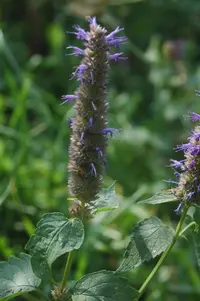
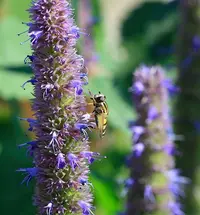
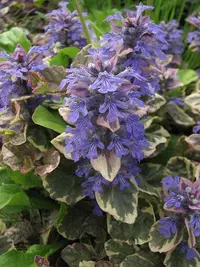
Anise hyssop Agastache 'Blue Fortune' is a hardy perennial from North American prairie species, grown mainly for its aromatic foliage and long-lasting flower spikes. It forms upright clumps with square stems, textured leaves that smell of anise or licorice when brushed, and dense blue to lavender flower spikes that attract bees and butterflies. This cultivar suits mixed borders, wildlife gardens, and informal plantings, where it offers vertical structure and continuous summer color. It is generally easy to grow if provided with sun, drainage, and not overly rich soil, which helps keep stems sturdy. For gardeners learning how to care for Anise Hyssop, it is considered a forgiving, resilient choice.

Main Plant Requirements

Care Difficulty

Easy Care

Light Preference

Full Sun

Water Requirements

Low Water

Temperature Preference

Cold Hardy

Hardiness Zone

5–9

Soil Texture

Sandy, Loamy, Rocky

Soil pH

Slightly acidic (6.5–7.0), Neutral (7.0)

Soil Drainage

Well-drained

Fertilization

Minimal (feed rarely)

Get Personalized Care Plan

Scan your plant to receive care tips personalized for your specific plant

Available on iOS and Android

How to Care for the Anise Hyssop

Agastache 'Blue Fortune' performs best with strong, direct sun for sturdy, floriferous growth.

  • Provide 6–8 hours of direct sun daily; full sun is ideal, especially in cooler climates with mild summers.
  • In hotter regions, give morning sun with light afternoon shade to reduce leaf scorch and moisture stress, particularly in dry, exposed sites.
  • The plant tolerates light partial shade (around 4–5 hours sun), but flowering and scent, important for Anise Hyssop, decline in too much shade.

Agastache 'Blue Fortune' prefers consistently dry-leaning conditions and dislikes heavy, waterlogged soil.

  • Allow the top 5–7 cm of soil to dry fully before watering; established plants in the ground often manage on rainfall once roots are deep.
  • Use well-drained, gritty or sandy soil; after planting, water deeply but infrequently so moisture penetrates 15–20 cm and encourages deep rooting.
  • Reduce watering in cool seasons; yellowing, limp stems suggest overwatering and poor drainage, while crisp, browning leaf edges signal prolonged drought stress.

This hybrid hummingbird mint is a hardy perennial that tolerates a wide temperature range once established.

  • Optimal growth and flowering occur around 65–85°F (18–29°C); plants stay compact and floriferous in warm, bright summers.
  • Agastache 'Blue Fortune' typically survives winter down to about -20°F (-29°C) in well-drained soil, entering dormancy and resprouting in spring.
  • In heat waves above 95°F (35°C), flowering can slow; provide mulch to moderate root temperatures and avoid cold, soggy sites that increase winter loss.

This plant handles typical outdoor humidity levels and rarely needs special humidity care.

Agastache 'Blue Fortune' prefers well-drained, moderately fertile, slightly alkaline to neutral soil.

  • Use a loose, sandy or loamy structure with 20–30% compost mixed into native soil for moderate fertility.
  • Ensure very sharp drainage by incorporating coarse sand or fine gravel, especially in areas with heavy clay.
  • Aim for pH 6.5–7.5; add lime gradually if the soil is consistently more acidic.
  • Avoid compacted, waterlogged, or peat-heavy mixes, which reduce aeration and quickly lead to root rot.

This species grows well in containers when drainage and stability are managed carefully.

  • Choose a pot at least 30–35 cm deep to accommodate the taproot and prevent the plant from becoming root-bound too quickly.
  • Select a heavier material such as ceramic or thick terracotta to stabilize the tall flowering stems against wind.
  • Elevate the container slightly on pot feet or bricks so drainage holes stay clear and excess water exits rapidly.

Agastache 'Blue Fortune' benefits from modest feeding in lean soils but grows acceptably in average garden conditions.

  • Apply a light layer of compost or a balanced slow-release fertilizer (around 10-10-10) in early spring to support new growth.
  • Use half-strength liquid balanced fertilizer every 4–6 weeks during the growing season if soil is poor or plants look pale.
  • Avoid high-nitrogen products that encourage soft, floppy growth at the expense of flowers and scent in Anise Hyssop.
  • Stop feeding in late summer to early fall so growth can harden before winter dormancy.

Pruning supports compact growth and strong flowering in Agastache 'Blue Fortune'.

  • In late winter or very early spring, cut back old stems to 5–10 cm above the crown using clean, sharp pruners.
  • During summer, deadhead spent flower spikes to extend blooming and keep the plant tidy.
  • Thin weak or crowded stems at the base to improve air flow and reduce disease risk.
  • Lightly shape after main flowering if stems flop, shortening them by up to one-third without cutting into the woody crown.

Agastache 'Blue Fortune' is usually grown in garden beds, with transplanting more common than frequent repotting.

  • Transplant in spring or early fall when temperatures are mild and soil is workable, avoiding peak summer heat.
  • Move plants when growth slows, clumps outgrow their space, or roots circle inside a container and emerge from drainage holes.
  • Water thoroughly the day before moving, then lift with a generous root ball to limit root disturbance and stress.
  • Replant at the same depth in free-draining soil, water in well, and keep evenly moist for 1–2 weeks until established.

Agastache 'Blue Fortune' is commonly propagated by division and softwood stem cuttings.

  • Divide established clumps in early spring, lifting the plant and separating healthy sections with several shoots and roots.
  • Take 8–10 cm softwood cuttings in late spring to early summer, removing lower leaves and any flower buds.
  • Insert cuttings into a free-draining mix, keep at 65–75°F with bright, indirect light, and maintain lightly moist conditions.
  • Sow seeds from related Agastache types in late winter indoors, using light, well-drained seed mix and minimal covering.

Agastache 'Blue Fortune' is reasonably cold hardy in much of the US and needs only modest winter care in the ground.

  • Allow stems to stand through fall for crown protection, then cut back in late winter rather than autumn.
  • In colder regions, apply a 5–8 cm mulch layer around the root zone after the first hard frost, keeping mulch off the crown.
  • For container plants in freezing climates, move pots to a sheltered, unheated space or cluster them against a wall and insulate the container.

Care Tips

Spring pinch-back

Pinch out the soft tips when stems reach 10–15 cm in spring to encourage a shorter, bushier plant that resists flopping in wind and rain.

Targeted midseason chop

If stems start to lean or flower spikes finish early, cut back just 1 in above a pair of strong leaf nodes on only the most sprawled shoots to trigger sturdier regrowth without losing all blooms at once.

Airflow spacing

When planting in beds, leave at least 30–40 cm of open space around each clump so foliage dries quickly after rain, which significantly reduces powdery mildew on this species.

Deadhead for rebloom

Shear off spent flower spikes before seeds harden, cutting just above the top healthy leaf pair, to extend the flowering window and keep the plant compact while growing Anise Hyssop.

Winter crown protection

In cold climates, wait until late fall, then apply a light, airy mulch such as shredded bark around but not over the woody crown to protect roots from freeze–thaw cycles while avoiding rot at the base.

Common Pests and Diseases

Powdery mildew

This disease causes a white to gray, powdery coating on leaves, often starting on lower or crowded stems in warm, dry conditions with poor air flow.

Solution

Remove heavily affected leaves, thin crowded stems to improve airflow, avoid overhead watering, and water at the base in the morning; if needed, apply a sulfur or potassium bicarbonate fungicide labeled for ornamentals, following label directions closely as part of Agastache 'Blue Fortune' care instructions.

Downy mildew

This disease produces yellow to pale leaf spots on the upper surface with gray to purplish fuzz underneath, especially in cool, humid, or wet weather.

Solution

Promptly remove and discard affected foliage, water early in the day at soil level, increase spacing and airflow, and in persistent cases use a phosphite or copper-based fungicide labeled for downy mildew while avoiding repeated overhead irrigation.

Leaf spot

This disease causes small brown to purplish spots that may merge into larger blotches, sometimes leading to early leaf drop during wet periods.

Solution

Prune out and dispose of spotted leaves, avoid wetting the foliage, ensure good spacing between plants, and use a copper or chlorothalonil fungicide labeled for leaf spots only if cultural steps do not control the problem.

Spider mites

These pests cause fine stippling on leaves, dulling of foliage color, and very fine webbing, especially in hot, dry conditions or on plants in containers.

Solution

Rinse foliage thoroughly with a strong but gentle stream of water, increase humidity around the plant, remove heavily infested growth, and if needed apply insecticidal soap or horticultural oil, repeating as directed to disrupt mite life cycles.

Aphids

These insects cluster on young shoots and flower stems, sucking sap and causing curling or distortion, and they often leave sticky honeydew that can attract sooty mold.

Solution

Spray infested stems with a firm stream of water to dislodge aphids, pinch back heavily infested tips, encourage or introduce natural predators like lady beetles, and use insecticidal soap or horticultural oil on persistent colonies, coating all sides of the stems and leaves.

Interesting Facts

Stable, sterile hybrid

This cultivar is a sterile hybrid between Agastache foeniculum and Agastache rugosa, so it rarely sets viable seed and maintains uniform traits such as height, flower color, and flowering time across plants.

Long pollinator season

In many temperate gardens it can bloom from mid-summer into early fall, providing one of the more extended nectar sources for bees, butterflies, and hoverflies compared with many other border perennials.

Aromatic foliage chemistry

The leaves contain essential oils rich in anethole-like compounds that create a sweet anise scent, which tends to deter deer and rabbits while still being attractive to many beneficial insects.

Botan icon

Did you know?

As a vegetatively propagated cultivar, it is usually maintained through cuttings and division rather than seed, which helps preserve its consistent lavender-blue flower spikes and compact, upright growth habit across nursery and landscape plantings.

FAQs about Anise Hyssop

Leaves and flowers are edible and commonly used fresh or dried in teas, salads, and desserts. They have a mild anise-mint flavor. Always avoid plants treated with systemic pesticides and introduce new herbal foods in small amounts first.

Grow Healthy Plants with Botan Care

Keep your plants happy and healthy with plant identification, disease detection, and easy care guidance.

Botan plant care app — identify plants on mobile

Explore More Plants