Anchor The Stems
Use small plant weights or gently clip stems into a sponge strip at the substrate line so shoots stay rooted and form a dense underwater mat instead of floating away.

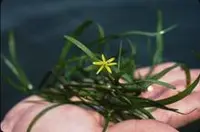
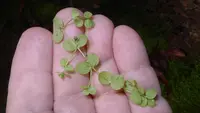
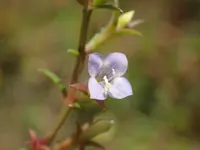
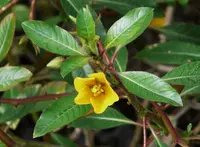
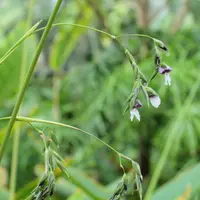
Grassleaf mudplantain (Heteranthera dubia) is an aquatic or semi-aquatic plant often found in ponds, streams, and slow-moving rivers. It forms low, trailing mats with narrow, grass-like leaves. In nature it occurs widely across North America, rooting in shallow water or along muddy shorelines. The plant tends to stay small and can adapt to both submerged and emergent growth. Its flexible growth habit and tolerance for moving water make it relatively manageable, though it needs consistently wet conditions. Understanding how to care for grassleaf mudplantain starts with providing clean water, good light, and a nutrient-rich substrate.

Care Difficulty
Moderate Care

Light Preference
Full Sun

Water Requirements
Aquatic

Temperature Preference
Cool Climate

Hardiness Zone
4–10

Soil Texture
Sandy, Loamy, Silty

Soil pH
Slightly acidic (6.5–7.0), Neutral (7.0)

Soil Drainage
Waterlogged tolerant

Fertilization
Minimal (feed rarely)
Scan your plant to receive care tips personalized for your specific plant
Available on iOS and Android
This aquatic species prefers bright, unobstructed light to fuel fast, compact growth in shallow water.
This rooted aquatic plant requires consistently saturated conditions and does not tolerate drying out.
This species grows best in mild to warm water and is sensitive to freezing conditions.
This aquatic species prefers consistently high humidity around 70–100% but tolerates short drier periods.
This species thrives in soft, fine-textured, waterlogged substrate rather than conventional potting soil.
This species can be grown in containers when they function as shallow aquatic or semi-aquatic setups.
Heteranthera dubia benefits from modest feeding in active growth, especially in nutrient-poor setups.
Pruning Heteranthera dubia maintains compact growth, prevents shading, and encourages fresh shoots.
This aquatic species is usually transplanted within tanks or ponds rather than traditionally repotted.
Heteranthera dubia is commonly propagated to thicken plantings or restart older stands.
In most temperate ponds this species tolerates cool conditions but may decline with hard freezing.

Plant Health Check
Not sure what's wrong with your plant? Check your plant's health inside the app.
This species is native to North America and is most often found rooted in clear, slow- to moderately flowing rivers and streams, rather than in still ponds or marshes, which sets it apart from many other aquatic ornamentals.
Its long, narrow, ribbon-like leaves create little resistance to current, an adaptation that helps the plant avoid being uprooted or torn in fast-moving water.
In colder regions it behaves as a true aquatic annual or short-lived perennial, dying back as water temperatures drop and persisting through seeds and submerged stem fragments that resume growth when conditions warm.
Lack of flowers usually comes from low light, unstable water levels, or nutrient-poor conditions. Provide strong light, shallow but consistently submerged stems, and moderate aquatic fertilization. Stable conditions over several weeks often restore normal blooming.
Keep your plants happy and healthy with plant identification, disease detection, and easy care guidance.