Container depth choice
Use a tall, heavy container at least 30–40 cm deep so the rhizomes have room to spread downward while the pot weight prevents the plant from toppling in strong wind.

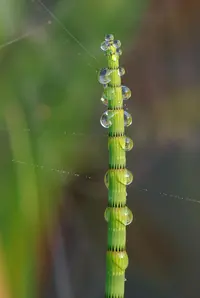
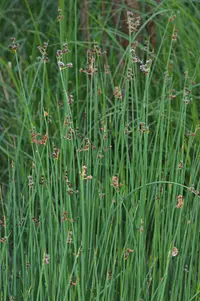
Water horsetail, Equisetum fluviatile, is an aquatic, reed-like perennial that belongs to an ancient group of spore-producing plants rather than flowering plants. It forms dense clumps of hollow, jointed green stems, often emerging from shallow water or very wet soil along ponds, lakes, and slow-moving streams in cooler regions of the Northern Hemisphere.
The plant spreads strongly by rhizomes, so it can quickly fill suitable wet areas and may become invasive in small spaces. It prefers constant moisture, full sun to partial shade, and nutrient-rich, muddy or sandy substrates. Because of its vigorous growth and specific moisture needs, care for water horsetail is easy in ponds or bog gardens but less suitable for typical indoor or dry garden settings.

Care Difficulty
Moderate Care

Light Preference
Partial Sun

Water Requirements
Aquatic

Temperature Preference
Cold Hardy

Hardiness Zone
4–9

Soil Texture
Loamy, Silty, Organic-rich

Soil pH
Acidic (5.5–6.5), Slightly acidic (6.5–7.0)

Soil Drainage
Waterlogged tolerant

Fertilization
Minimal (feed rarely)
Scan your plant to receive care tips personalized for your specific plant
Available on iOS and Android
This semi-aquatic species prefers consistent, moderate light rather than intense direct sun.
Equisetum fluviatile naturally grows in standing or very slow-moving water and needs constantly wet conditions.
This hardy wetland plant tolerates a wide temperature range but grows best in cool to mild conditions.
This semi-aquatic species prefers constant high moisture and very humid air.
This species prefers permanently wet, heavy, organic-rich substrates rather than conventional potting soil.
This species is suitable for container growing when the container is treated like a small pond or bog.
This species grows well in nutrient-poor, wet substrates and usually needs little or no fertilizer.
Pruning helps manage the spread and appearance of Equisetum fluviatile in ponds or wet beds.
Transplanting suits this vigorous marginal plant better than frequent repotting, especially in ponds or water features.
Division is the most reliable method for increasing Equisetum fluviatile in gardens or pond margins.
This hardy aquatic species tolerates typical temperate winters with minimal intervention once established outdoors.

Plant Health Check
Not sure what's wrong with your plant? Check your plant's health inside the app.
This species develops tall, hollow stems with large air-filled channels that help move oxygen down into its submerged rhizomes, allowing it to tolerate low-oxygen, standing water better than many other wetland plants.
Its dense, creeping rhizome network binds soft lake and pond sediments, so stands of this plant often slow water movement, trap fine particles, and help stabilize shallow shorelines.
The stems accumulate significant silica in their outer tissues, making them rough to the touch and more resistant to grazing and mechanical damage in moving water habitats.

This living species is a close relative of ancient horsetails that formed vast swamp forests in the Paleozoic era, and its jointed, segmented stems and spore-based reproduction closely resemble those of its fossil ancestors from more than 300 million years ago.
This species spreads quickly through creeping rhizomes and can form dense stands. In ponds or wet beds, use physical barriers or containers to limit spread and remove unwanted shoots regularly to prevent it from overtaking other plants.
Keep your plants happy and healthy with plant identification, disease detection, and easy care guidance.