Anchusa procera Care

About Anchusa procera

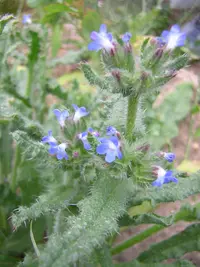
Anchusa procera is a perennial flowering herb from the borage family, valued for its vivid blue, star-shaped blooms and upright, clumping habit. It often reaches medium height with rough, lance-shaped leaves along sturdy stems.

This species is native to parts of Europe and western Asia, where it grows in open, sunny habitats such as grasslands and light scrub. It is generally considered moderately easy to grow if given full sun, well-drained soil, and steady but not excessive moisture.

Gardeners who learn how to care for Anchusa procera usually find it reliable, provided the soil does not stay waterlogged and plants are given enough light and space for airflow.

Main Plant Requirements

Care Difficulty

Moderate Care

Light Preference

Full Sun

Water Requirements

Moderate Water

Temperature Preference

Cool Climate

Hardiness Zone

5–8

Soil Texture

Sandy, Loamy, Rocky

Soil pH

Slightly acidic (6.5–7.0), Neutral (7.0)

Soil Drainage

Well-drained

Fertilization

Minimal (feed rarely)

Get Personalized Care Plan

Scan your plant to receive care tips personalized for your specific plant

Available on iOS and Android

How to Care for the Anchusa procera

This sun-loving perennial performs best in open, bright positions with long daily exposure.

  • Provide full sun for 6–8 hours daily; Anchusa procera flowers and branches more densely with unobstructed light.
  • Tolerates light partial shade, especially with morning sun and light afternoon shade, but expect fewer blooms and slightly weaker growth.
  • In hot summers, avoid harsh reflected heat from walls or paving, which can scorch leaves; in winter, ensure the site is not shaded all day by buildings or trees.

This species prefers evenly moist but not saturated soil, especially in its first growing seasons.

  • Allow the top 3–5 cm of soil to dry before watering, then soak the root zone thoroughly so moisture reaches 15–20 cm deep.
  • In spring and early summer, monitor weekly; in midsummer heat or sandy soil, check every few days, using leaf wilt or limp, dull foliage as a sign to water.
  • Avoid soggy conditions that cause yellowing leaves, soft stems, or root rot; ensure sharply draining soil with sand or grit so excess water runs off quickly.

This hardy perennial handles a wide temperature range but grows best in mild to warm conditions.

  • Active growth is strongest around 60–75°F (16–24°C), with flowering and foliage quality best in this band.
  • Mature plants tolerate down to about 10–15°F (-12–-9°C) in well-drained soil; crowns usually survive normal winter freezes in temperate climates.
  • In hot spells above 90°F (32°C), flowering may slow and foliage can scorch, so avoid heat traps like south-facing walls and ensure soil does not dry out completely.

This species is adapted to dry, open sites, so humidity is rarely a concern in typical outdoor conditions.

Anchusa procera prefers lean, well-drained soil that mimics dry, rocky meadow conditions.

  • Use sandy or gritty loam with 20–40% coarse sand or fine gravel to keep roots aerated.
  • Ensure very sharp drainage; raised beds or sloped sites help excess water move away quickly.
  • Aim for slightly alkaline to neutral pH around 7.0–7.8; avoid strongly acidic mixes.
  • Do not use heavy clay or peat-heavy mixes that stay wet, as these encourage crown and root rot.

This species can be grown in containers outdoors if the pot is prepared for its deep, drought-tolerant root system.

  • Select a tall, deep container to accommodate the taproot and reduce wilting in hot weather.
  • Choose a heavy, stable pot material such as clay or ceramic to prevent tipping in wind when flower stems elongate.
  • Fill the pot with a very free-draining, sandy mix and elevate it on pot feet so water never pools under the base.

This sun-loving perennial benefits from light, targeted feeding to support flowering without excessive leaf growth.

  • Use a balanced NPK granular or slow-release fertilizer, or a thin layer of garden compost, on established Anchusa procera plants in spring.
  • Feed once at the start of active growth and, if soil is poor, a second light dose mid-season.
  • Apply at half the label-recommended strength, keeping fertilizer off the crown and stems.
  • Avoid feeding in late fall or winter to prevent soft, frost-prone growth.

Pruning helps keep Anchusa procera compact, healthy, and flowering well.

  • In late spring to early summer, deadhead spent flower spikes with clean hand pruners to extend blooming.
  • Remove dead, damaged, or badly crossing stems at the base to improve air flow and reduce disease pressure.
  • After the main flowering flush, lightly shear back the plant to encourage a neater mound and possible rebloom.
  • Cut back old, collapsed growth to ground level in late fall or very early spring before new shoots emerge.

This deep-rooted perennial is usually grown in the ground and prefers minimal disturbance once established.

  • Transplant only when necessary, such as overcrowding, poor soil, or declining vigor despite good care.
  • Aim to move Anchusa procera in early spring or early fall, when temperatures are mild and soil is workable.
  • Lift with a wide root ball, disturb roots as little as possible, and replant at the same depth in well-drained soil.
  • Water thoroughly after transplanting, then keep soil evenly moist (not soggy) for 2–3 weeks to limit transplant shock.

Anchusa procera is most often propagated from seed, with division or cuttings used less frequently.

  • Sow fresh seeds in late summer or early spring in gritty, free-draining seed mix, barely covering them.
  • Keep at 60–68°F with consistent, light moisture until germination, which may take several weeks.
  • If dividing, do so in early spring, lifting clumps carefully and replanting divisions promptly to reduce root damage.
  • Semi-ripe basal cuttings in late spring root best under bright light, high humidity, and sharply draining medium.

This species is generally cold hardy in temperate climates and needs only modest winter care once established.

  • Tolerates light to moderate frost, but young plants benefit from extra protection in their first winter.
  • Apply a 5–8 cm layer of dry mulch around, not on, the crown to insulate the root zone in colder areas.
  • In very cold or poorly drained sites, grow Anchusa procera in raised beds and ensure winter soil drainage remains good.
  • Container plants in regions below about 10°F should be moved to a cold, bright, frost-free space.

Care Tips

Staking Tall Stems

Install slender stakes or a low plant support ring early in the season so tall flowering stems can be loosely tied and kept upright, reducing lodging and breakage in wind or heavy rain.

Flower Spike Management

Cut back spent flower spikes to a lower side shoot as soon as the blooms fade to encourage a tidier plant and potentially extend the flowering period.

Root Zone Mulching

Apply a thin, open-textured mineral or gravel mulch around, but not touching, the crown to keep the root zone cooler, suppress weeds, and improve drainage without trapping excess moisture.

Powdery Mildew Prevention

Space plants generously and direct irrigation to the soil surface, not foliage, to reduce humidity around leaves and lower the risk of powdery mildew, which this species can develop in crowded plantings.

Short-Lived Perennial Renewal

Treat the plant as a relatively short-lived perennial by sowing fresh seed every 2–3 years or maintaining a small nursery patch, so that caring for Anchusa procera includes regularly replacing aging clumps with vigorous young plants.

Common Pests and Diseases

Downy mildew

This disease causes yellow, pale, or angular spots on upper leaf surfaces with a grayish or whitish felt-like growth underneath, especially in cool, humid weather.

Solution

Remove and discard affected leaves, avoid overhead watering, and space plants to improve air circulation; in wet springs, a copper-based fungicide or other labeled downy mildew spray can be used preventively on young foliage when caring for Anchusa procera in crowded borders.

Powdery mildew

This disease appears as a white, powdery coating on leaves and stems, often starting on lower or shaded foliage and leading to yellowing or distortion.

Solution

Increase light and airflow around plants, water at soil level, remove heavily infected leaves, and if needed apply a sulfur or potassium bicarbonate fungicide early when the first patches of white growth appear.

Leaf spot

Symptoms include small brown, purple, or tan lesions on leaves that may merge into larger dead areas, often appearing after extended wet or humid periods.

Solution

Cut off and dispose of spotted leaves, keep foliage dry by watering at ground level, clear plant debris at season’s end, and in recurrent cases use a labeled ornamental fungicide at the first signs of spotting to protect new growth.

Aphids

These insects cluster on young stems, buds, and leaf undersides, causing curling or distortion and leaving sticky honeydew that can attract sooty mold.

Solution

Spray colonies off with a strong stream of water, then treat remaining infestations with insecticidal soap or neem oil, repeating every 5–7 days until new growth appears clean and natural predators are active.

Leaf-mining flies

This pest creates winding, pale tunnels inside leaves as larvae feed between the leaf surfaces, which can reduce photosynthesis and weaken stressed plants.

Solution

Remove and discard mined leaves promptly, avoid excessive nitrogen fertilization that encourages lush susceptible growth, and use yellow sticky traps plus a targeted insecticide labeled for leaf miners if damage continues on new foliage.

Interesting Facts

Central European distribution

Anchusa procera is native mainly to central and eastern Europe, where it grows in countries such as Austria, Hungary, and adjacent regions, typically on dry, calcareous soils and sunny, open slopes.

Tall rough borage

This species is one of the taller members of the borage family (Boraginaceae), often forming robust, erect stems covered with stiff, rough hairs that reduce herbivory and limit water loss in exposed habitats.

Blue coiled inflorescences

Its bright blue flowers are borne in characteristic coiled cymes, a flower arrangement typical of the borage family, which unrolls as the flowers mature and helps present nectar gradually to pollinators such as bees.

FAQs about Anchusa procera

Poor flowering often comes from too much shade, overly rich nitrogen fertilizer, or old, woody stems. Ensure full sun, avoid high-nitrogen feeds, and cut back spent stems to encourage fresh growth and more buds next season.

Grow Healthy Plants with Botan Care

Keep your plants happy and healthy with plant identification, disease detection, and easy care guidance.

Botan plant care app — identify plants on mobile

Explore More Plants