Flat-sedge Care (Blysmus compressus)

Also known as: broad blysmus
Flat-sedge

About Flat-sedge

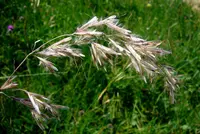
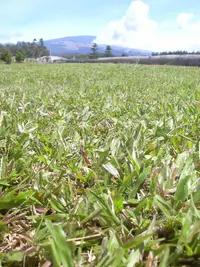
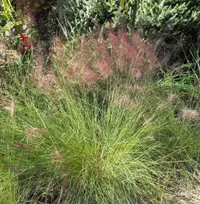
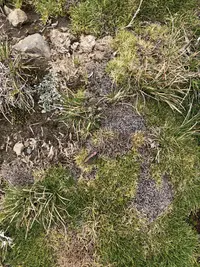
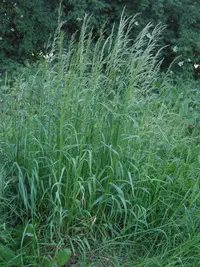
Flat-sedge (Blysmus compressus) is a small, clumping sedge-like grass commonly found in damp meadows, riverbanks, and marshy ground across parts of Europe and temperate Asia. It forms low, tufted stands with narrow, upright leaves and short, flattened flower spikes that give the plant its compressed look.

The species prefers consistently moist soil and open, sunny to lightly shaded sites, reflecting its wetland origins. It is generally straightforward to care for Flat-sedge if soil does not dry out for long periods and competition from taller plants is limited.

Main Plant Requirements

Care Difficulty

Moderate Care

Light Preference

Full Sun

Water Requirements

Aquatic

Temperature Preference

Cold Hardy

Hardiness Zone

4–8

Soil Texture

Loamy, Silty, Organic-rich

Soil pH

Slightly acidic (6.5–7.0), Neutral (7.0)

Soil Drainage

Waterlogged tolerant

Fertilization

Minimal (feed rarely)

Get Personalized Care Plan

Scan your plant to receive care tips personalized for your specific plant

Available on iOS and Android

How to Care for the Flat-sedge

This moisture-loving sedge prefers bright, open conditions but tolerates some shade.

  • Provide 4–6 hours of direct morning or late-afternoon sun, with light shade during the harshest midday sun in warmer regions.
  • Plant in a site with full sun to light partial shade; Flat-sedge in deep shade grows thinner, weaker stems and may flop.
  • In summer, monitor for leaf tip scorch from >8 hours of intense sun, while in shorter winter days accept slower growth without supplemental light.

This species prefers consistently moist to wet conditions and does not tolerate drying out.

  • Aim for soil that stays damp to saturated; in the field or pond edge, allow shallow standing water around the base without strong currents.
  • In garden soil, water whenever the top 1–2 cm feels just moist, not crumbly, increasing frequency during hot, windy periods.
  • Watch for underwatering signs such as curling or browning leaf tips, and for overwatering issues only if roots sit in stagnant, foul-smelling anaerobic mud.

This cool-temperate sedge handles a wide range of outdoor temperatures.

  • Best vegetative growth occurs around 55–70°F (13–21°C), typical of cool spring and early summer conditions.
  • The plant tolerates winter cold well, surviving down to about 0°F (-18°C) or slightly lower when established and in natural wet sites.
  • Heat tolerance extends to about 80–86°F (27–30°C) if soil remains saturated; prolonged hotter periods may cause slower growth and earlier leaf aging.

Humidity is not a major concern for Blysmus compressus when grown outdoors in its usual wet habitats.

This species prefers consistently wet, fine-textured soil that does not dry out.

  • Use a heavy loam or clay-loam rich in organic matter to mimic natural stream or wet meadow conditions.
  • Allow only very slow drainage; soil should stay saturated or waterlogged, with standing water tolerated for long periods.
  • A slightly acidic to neutral pH of 6.0–7.0 suits Blysmus compressus in most garden settings.
  • For containers or constructed beds, blend garden loam with 30–40% compost and avoid coarse sand or large bark that increase drainage too much.

This sedge can be grown in containers if the setup maintains permanently wet conditions.

  • Choose a deep, sturdy container that can hold a water reservoir above the drainage holes without tipping when saturated.
  • Place the pot inside a sealed outer cachepot or tray kept filled with water to keep the root zone constantly saturated.
  • Use a heavier pot material such as ceramic to stabilize the plant in windy, exposed positions where water-filled media increase top weight.

Blysmus compressus generally needs minimal feeding, especially in fertile, moist soil.

  • If growth is weak, apply a light top-dressing of compost in early spring to support shoot development.
  • In poor soils, use a balanced, slow-release NPK fertilizer at half strength once in spring and once in midsummer.
  • Avoid fertilizing in late fall or winter, when the plant is dormant and nutrient uptake is low.

Pruning Blysmus compressus is mainly done to maintain a clean, tidy clump rather than to control size.

  • Trim back dead or winter-burned foliage in late winter or very early spring before new shoots emerge.
  • Remove damaged or diseased stems at the base with clean, sharp shears to limit pathogen spread.
  • Thin out congested, older stems to improve air flow and light penetration through the clump.

This sedge is more often transplanted in the ground than kept as a long-term container specimen.

  • Transplant clumps in early spring or early fall, when temperatures are mild and soil moisture is steady.
  • Lift and move plants when growth weakens, centers die out, or clumps outgrow their space, typically every 3–5 years.
  • Dig widely around the root mass, keep soil attached to roots, and replant at the same depth into moist, well-prepared soil.
  • Water thoroughly after transplanting and shade lightly for a few days to limit transplant shock and root stress.

Propagation of Blysmus compressus is straightforward by clump division or seed, depending on the goal.

  • Divide mature clumps in early spring, cutting sections with several shoots and healthy roots per division.
  • Replant divisions immediately into moist soil and keep evenly watered until strong new growth appears.
  • For seed, sow fresh seed in fall or early spring on the soil surface, as light improves germination.
  • Maintain consistent moisture and cool conditions for seed trays, avoiding drying out during germination.

This species is generally cold hardy in temperate climates and requires little winter care once established.

  • In colder regions, apply a 3–5 cm layer of organic mulch around the root zone to moderate soil temperature.
  • Container-grown plants are more exposed; move pots to a sheltered, unheated area where they stay cold but not wind-scoured.
  • Allow old foliage to remain over winter in exposed sites, then cut it back in late winter before new growth.

Care Tips

Shallow Water Management

Maintain a consistently shallow water layer of 2–5 cm above the soil or substrate during active growth to mimic natural wet meadow conditions and prevent the crown from rotting in deeper, stagnant water.

Seasonal Drawdown

In late fall, gradually lower water levels so the soil is just moist rather than flooded, which helps harden the plant for winter and reduces fungal problems around the roots and rhizomes.

Dense Clump Division

Every 3–4 years, lift and divide congested clumps in early spring, replanting only the outer, vigorous sections to maintain strong growth and prevent the stand from thinning in the center.

Edge Containment Strip

Install a shallow, 5–8 cm deep edging barrier around beds or along pond margins to limit lateral rhizome spread and keep the planting in a defined zone without constant digging.

Targeted Weed Suppression

Hand-weed or use a narrow hoe before weeds exceed 5–7 cm tall, as early control preserves light and airflow around the fine foliage and significantly reduces future maintenance when growing Flat-sedge.

Common Pests and Diseases

Fusarium crown rot

This disease causes browning and collapse of tillers from the base, often in waterlogged or compacted soils. Symptoms include discolored, soft tissue at the crown and poor regrowth after cutting or grazing.

Solution

Reduce prolonged waterlogging by improving drainage where possible and avoid heavy traffic that compacts soil. Remove and destroy heavily affected clumps, and maintain moderate nutrient levels to support recovery of less affected plants.

Leaf spot complex

This disease group causes small brown to tan lesions on leaves that may coalesce, leading to premature leaf death in dense stands. Symptoms include thinning foliage and a patchy, uneven appearance in swards under humid conditions.

Solution

Improve air movement and reduce prolonged leaf wetness by avoiding excessive irrigation and maintaining appropriate stand density. Remove heavily infected foliage during mowing or trimming, and support plant vigor with balanced fertilization to help plants outgrow minor infections.

Rust

This disease produces orange to brown powdery pustules on leaves and stems, which can reduce photosynthesis and weaken plants in moist, cool conditions. Symptoms include yellowing leaves and early senescence in affected patches.

Solution

Encourage good airflow by avoiding overcrowded plantings and reducing shading from taller vegetation. Remove and dispose of heavily infected foliage, and avoid overhead irrigation that keeps leaves wet for extended periods.

Aphids

These insects feed on sap from young shoots and leaf bases, causing distortion, yellowing, and sticky honeydew that can attract sooty mold. This pest is more common on nutrient-rich, sheltered sites and can weaken stressed plants.

Solution

Rinse colonies from stems and leaf bases with a firm stream of water, and encourage natural predators such as lady beetles by minimizing broad-spectrum insecticides nearby. In small plantings, wipe or pinch off heavily infested shoots, and if necessary apply a targeted insecticidal soap, ensuring full coverage of the insects.

Sedegall midge

This pest forms small galls or swellings on culms or leaf sheaths where larvae feed internally, which can cause deformation and reduced seed production in dense wetland stands. Symptoms include swollen, sometimes reddened tissue and stunted, misshapen stems.

Solution

Cut and remove infested stems before adult midges emerge, disposing of them off-site to reduce the local population. Maintain a mix of plant species and avoid overly uniform, dense monocultures when growing Flat-sedge, which can limit severe buildup of gall-forming insects.

Interesting Facts

Early-successional wetland specialist

Blysmus compressus is often among the first graminoid species to colonize disturbed or newly formed wet meadows, especially on compact, base-rich soils. Its presence is frequently used as an indicator of early-successional, periodically flooded habitats in parts of Europe and western Asia.

Flattened flowering spikes

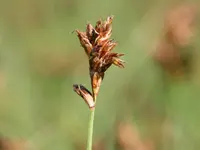
The species is named for its distinctly flattened inflorescences, where the spikelets are tightly compressed against the stem. This compressed structure helps distinguish it from many visually similar sedges and rushes found in the same habitats.

Preference for calcareous soils

This plant shows a marked preference for calcareous, nutrient-rich, often slightly alkaline substrates such as alluvial loams and marl. Botanists commonly use its occurrence to indicate soils influenced by underlying limestone or other base-rich parent material.

Botan icon

Did you know?

In several European countries, Blysmus compressus has undergone significant range decline and is now considered regionally threatened or vulnerable, largely due to drainage of wet meadows, river regulation, and the intensification or abandonment of traditional low-intensity grazing regimes that once maintained its preferred habitat structure.

FAQs about Flat-sedge

This species spreads slowly by short rhizomes and seed, usually forming modest clumps rather than taking over beds. In moist, open soil it can naturalize, but regular edging or division keeps it in defined patches.

Grow Healthy Plants with Botan Care

Keep your plants happy and healthy with plant identification, disease detection, and easy care guidance.

Botan plant care app — identify plants on mobile

Explore More Plants