marram grass Care (Calamagrostis arenaria)

Also known as: European beachgrass
marram grass

About marram grass

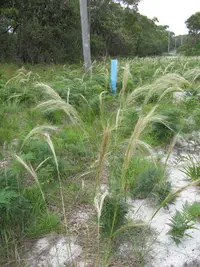
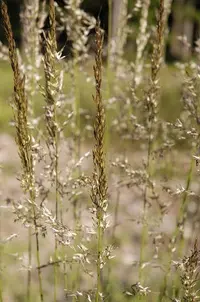
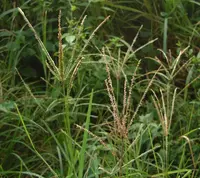
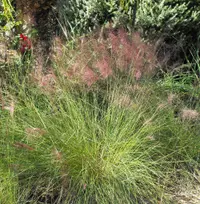
Marram grass, Calamagrostis arenaria, is a hardy perennial grass adapted to life on coastal sand dunes. It forms dense clumps with stiff, upright leaves and tall flowering stems that sway in the wind.

This species is native to European and North Atlantic coasts, where its strong root system helps stabilize shifting sands. It is highly tolerant of wind, salt spray, and poor, sandy soil, which makes it useful in erosion control and low-maintenance landscapes.

For gardeners who want to care for marram grass, its main needs are full sun, very well-drained sandy soil, and relatively dry conditions once established.

Main Plant Requirements

Care Difficulty

Easy Care

Light Preference

Full Sun

Water Requirements

Low Water

Temperature Preference

Cold Hardy

Hardiness Zone

3–8

Soil Texture

Sandy, Loamy

Soil pH

Slightly acidic (6.5–7.0), Neutral (7.0)

Soil Drainage

Well-drained

Fertilization

Minimal (feed rarely)

Get Personalized Care Plan

Scan your plant to receive care tips personalized for your specific plant

Available on iOS and Android

How to Care for the marram grass

This coastal grass thrives in strong light and performs best in full sun exposure.

  • Provide 6–8 hours of direct sun daily; open, unshaded sites are ideal for vigorous clump and root growth.
  • Tolerates light partial shade, especially early morning or late afternoon, but dense shade leads to weaker stems and sparse foliage in marram grass.
  • In inland sites, allow morning to midday sun; extreme, reflected afternoon heat can dry young plants too quickly, so pair sun with well-drained but not bare, baking soil.

This dune grass is adapted to dry, sandy conditions and prefers infrequent, deeper watering once established.

  • In the ground, allow the top 5–8 cm of sandy soil to dry fully before watering; established clumps often need no supplemental water outside prolonged drought.
  • Newly planted Calamagrostis arenaria benefits from light, thorough watering whenever soil around the roots is dry 5 cm down during the first growing season.
  • Watch for yellowing, limp shoots in soggy soil as a sign of overwatering; crisp leaf tips and rolling blades in loose, dry sand indicate drought stress.

This species is highly cold-hardy and adapted to exposed, seasonal coastal climates.

  • Active growth is strongest around 55–75°F (13–24°C), with good tolerance of cooler, breezy spring and autumn conditions.
  • Mature plants typically survive down to about -20°F (-29°C) in well-drained sand, though top growth may brown and reshoot from the base in spring.
  • Heat tolerance is good up to about 90°F (32°C) if soil is sandy and not waterlogged; prolonged humid heat with poor airflow can increase rot risk at the crown.

Humidity is rarely a limiting factor for Calamagrostis arenaria in typical outdoor conditions.

This species thrives in very free-draining, sandy substrates that mimic coastal dunes.

  • Use a mostly sandy mix with minimal organic matter, such as 70–90% sharp sand blended with a small amount of loam or compost.
  • Ensure extremely fast drainage; water should pass through within seconds, never leaving the soil waterlogged.
  • Target a slightly acidic to neutral pH around 6.0–7.0, avoiding strongly acidic or alkaline substrates.
  • Avoid heavy clay or compacted soils; if necessary, lighten ground soil with coarse sand and fine gravel to improve aeration.

This grass can be grown in containers, but long-term performance is usually better in the ground.

  • Choose a deep, heavy container to anchor the extensive root system and prevent wind from toppling the tall foliage.
  • Fill the pot with a very sandy, gritty medium so water drains quickly and roots stay oxygenated.
  • Place the container in a very exposed, sunny position to reduce excess moisture retention and mimic dune conditions.

This dune grass is adapted to poor, sandy soils and usually needs minimal feeding in gardens.

  • If growth is weak, apply a light dressing of compost or slow-release, low-to-moderate nitrogen fertilizer in early spring.
  • Use a balanced NPK product at half the label strength to avoid lush, floppy growth in marram grass.
  • Feed only once per growing season for plants in very lean soil; skip feeding on fertile or amended sites.
  • Do not fertilize in late fall or winter, when the plant is dormant and not actively using nutrients.

Pruning Calamagrostis arenaria is simple and mainly focuses on seasonal cleanup to keep clumps tidy.

  • Cut back dead foliage and old flower stems to 5–10 cm above ground in late winter or very early spring before new growth emerges.
  • Remove damaged, flopping, or overly crowded stems during the season to maintain an upright, airy shape.
  • Use sharp hand pruners or shears and bundle stems for easier cutting and cleanup.
  • Leave seed heads standing through fall and early winter if structural interest and wildlife value are desired.

This grass is usually grown in the ground, so care focuses on occasional transplanting or dividing established clumps.

  • Plan transplanting or division in early spring or early fall, when temperatures are mild and soil moisture is stable.
  • Look for signs like thinning centers, slow growth, or crowded clumps as indicators that division or relocation is due every 3–5 years.
  • Dig a wide root ball, keep roots shaded and moist, and replant at the same depth to limit transplant shock.
  • Water deeply after planting, then maintain even moisture for several weeks until new growth shows successful establishment.

Propagation is commonly done by division, with seed used mainly for large-scale or restoration plantings.

  • Divide mature clumps in early spring or early fall, lifting the root mass and cutting it into several vigorous sections with sharp tools.
  • Replant divisions promptly into sandy, well-drained soil, firming and watering thoroughly to settle roots.
  • For seed, sow fresh seed on the surface of free-draining mix, lightly covering, and keep evenly moist until germination.
  • Provide full sun and avoid heavy, waterlogged substrates to support healthy establishment of new plants.

This coastal grass is cold hardy in most temperate climates and generally needs little winter care.

  • Tolerates frost and freezing conditions once established, especially in sandy, well-drained soils.
  • In colder inland areas, apply a light mulch layer around the root zone to moderate soil temperature without smothering crowns.
  • Leave dry stems standing over winter to shield basal buds and then cut back in late winter.
  • For container plants in very cold regions, move pots to a sheltered, unheated spot and prevent waterlogging.

Care Tips

Secure Sand Dunes

In coastal or sandy sites, plant in dense staggered rows and lightly backfill crowns with sand each year to improve dune stabilization and encourage fresh rhizome spread.


Controlled Spreading

To prevent unwanted invasion into neighboring beds, install a 20–30 cm deep root barrier around planting areas and inspect edges each spring to cut and remove rhizomes that cross the boundary.

Wind Stress Management

In very exposed sites, plant in small drifts rather than isolated clumps, and position low fencing or hardy shrubs as windbreaks to reduce uprooting and stem breakage.

Minimal Thatch Removal

Every 2–3 years, comb through the clumps with gloved hands or a rigid rake in late winter to remove only loose dead foliage, keeping the crown mostly intact to avoid destabilizing the plant in shifting sand.

Targeted Sand Topdressing

For inland plantings, apply a 2–5 cm layer of clean, sharp sand over the root zone once a year to mimic natural conditions, improve drainage at the crown, and support healthy structure when growing marram grass.

Common Pests and Diseases

Rust

This disease causes yellow to orange-brown pustules on leaves and stems, sometimes leading to premature leaf death in dense clumps or humid conditions.

Solution

Remove and discard heavily affected foliage, then thin crowded stands to improve air movement; avoid overhead watering and, if needed in valuable plantings, apply a labeled grass-safe fungicide early in the season according to Calamagrostis arenaria care instructions.

Leaf spot

This disease produces small tan to brown lesions on leaves that can coalesce, giving the foliage a scorched or patchy appearance, particularly in warm, wet periods.

Solution

Cut back and dispose of spotted foliage to reduce inoculum, water at soil level rather than over the leaves, and maintain good spacing between plants; in persistent cases, use a targeted foliar fungicide labeled for ornamental grasses and rotate products to reduce resistance risk.

Aphids

These insects feed on sap from young shoots, causing distortion, sticky honeydew, and sometimes sooty mold on the foliage and stems.

Solution

Rinse colonies off with a firm stream of water, encourage natural predators such as lady beetles, and, if populations remain high, treat with insecticidal soap or a light horticultural oil ensuring full coverage of stems and leaf bases.

Grasshoppers

These insects chew irregular holes or entire sections from leaves, which can make clumps look ragged during outbreak years, especially in exposed coastal or dry sites.

Solution

Hand-pick individuals where practical, reduce nearby tall weeds that shelter nymphs, and, if defoliation is severe, consider using floating row covers on young plantings or a targeted bait product placed away from children and pets.

Interesting Facts

Engineered dune builder

This grass traps and stabilizes coastal sand with its dense shoots, then responds to burial by pushing new stems upward, which helps dunes grow vertically and move inland over time.

Deep, shifting roots

Its root and rhizome system can extend several meters through loose sand, allowing the plant to anchor itself and access scattered moisture in an otherwise dry and nutrient-poor substrate.

Specialist of moving sand

The species is highly adapted to mobile foredunes and often declines if sand movement stops, so in some stabilized dune systems it is gradually replaced by less stress-tolerant plants.

Botan icon

Did you know?

Marram grass has been widely planted along European coasts for more than a century to protect shorelines from erosion, and this deliberate use of its dune-building ability has in some places altered natural dune dynamics and local plant communities.

FAQs about marram grass

Browning leaves usually result from natural aging, strong wind desiccation, or accumulated salt and sand abrasion. Remove dead blades in late winter, avoid overwatering, and maintain sharply drained soil to keep the clump vigorous and renewing.

Grow Healthy Plants with Botan Care

Keep your plants happy and healthy with plant identification, disease detection, and easy care guidance.

Botan plant care app — identify plants on mobile

Explore More Plants