Shear For Density
Shear the clumps back by about one-third in late spring as new shoots emerge to keep the plant dense and prevent it from becoming open and floppy by midsummer.

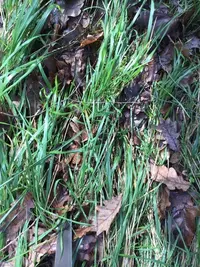
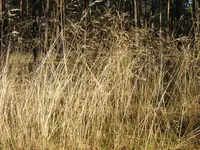
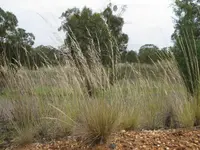
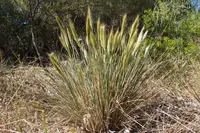
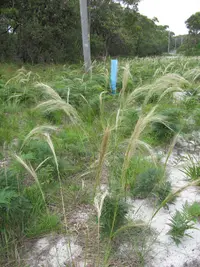
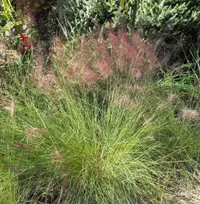
Arrhenatherum longifolium is a perennial bunchgrass, forming narrow, upright clumps with fine, arching leaves and slender flowering stems. Its overall look is light and airy rather than dense. This species is native to parts of Europe and nearby regions, where it grows in open grasslands and dry, sunny slopes. In gardens it is usually used in naturalistic plantings, meadow-style borders, or low-maintenance areas. It is generally considered undemanding if planted in well-drained soil and given full sun. Once established, it usually copes well with moderate drought, which makes it relatively easy to care for Arrhenatherum longifolium in low-input landscapes.

Care Difficulty
Moderate Care

Light Preference
Full Sun

Water Requirements
Moderate Water

Temperature Preference
Cool Climate

Hardiness Zone
5–8

Soil Texture
Sandy, Loamy, Silty

Soil pH
Slightly acidic (6.5–7.0), Neutral (7.0)

Soil Drainage
Well-drained

Fertilization
Minimal (feed rarely)
Scan your plant to receive care tips personalized for your specific plant
Available on iOS and Android
This clumping grass prefers bright, open conditions with consistent sun exposure for best growth.
This grass prefers evenly moist but never waterlogged soil, with moisture adjusted to weather and soil type.
This cool-season grass grows best in moderate temperatures and tolerates cold better than extreme heat.
This grass handles a wide humidity range and rarely needs special humidity management.
Arrhenatherum longifolium prefers moderately fertile, well-structured mineral soils that drain freely yet retain some moisture.
This species can be grown in containers if the pot and substrate support its fibrous grass root system.
This grass usually needs only modest feeding in average garden soil.
Light pruning helps maintain shape and vigor in this ornamental grass.
This species is more often transplanted in the ground than grown long-term in containers.
New plants are most commonly raised by division or from seed.
This grass is generally cold hardy in temperate climates and needs only simple winter care.

Plant Health Check
Not sure what's wrong with your plant? Check your plant's health inside the app.
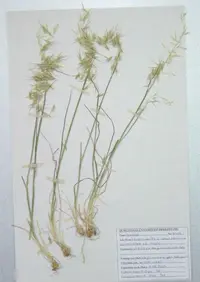
This species is distinguished within its genus by very long, narrow leaf blades that are almost or completely hairless, a feature used by botanists to separate it from related oat grasses with broader or hairy foliage.
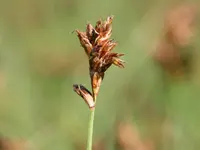
Its flowering heads carry oat-like spikelets in which the fertile florets have a distinctive long awn (a bristle-like extension of the grain), while the sterile florets differ in size and shape, a spikelet structure important for accurate identification.
The species is known from a relatively restricted natural range compared with several widespread congeners, and it tends to occur in specific grassland habitats where soil and microclimate conditions suit its growth pattern, which is relevant for detailed Arrhenatherum longifolium care instructions in cultivation contexts.
This grass forms loose clumps and can self-seed, but it is not usually strongly rhizomatous or aggressively spreading. In managed gardens, occasional removal of unwanted seedlings and division of crowded clumps keeps its spread under control.
Keep your plants happy and healthy with plant identification, disease detection, and easy care guidance.