Encourage Dense Clumps
Shear back 1/3 of the foliage in early spring before new growth starts to stimulate tighter clumps and reduce lodging of older, floppy leaves.

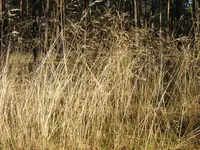
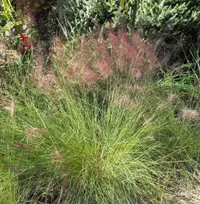
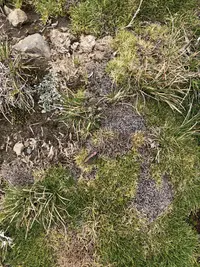
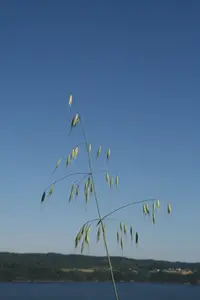
Wavy hairgrass (Avenella flexuosa) is a fine-textured, cool-season grass forming loose, airy clumps. It produces slender, hair-like leaves and delicate flower stems that move easily in light wind. The plant stays relatively small and creates a soft, natural look rather than a dense lawn surface.
This species occurs widely in Europe, North America, and parts of Asia, often in heathlands, open woodlands, and poor, acidic soils. It is valued in naturalistic gardens because it tolerates low fertility and does not need heavy feeding.
It generally prefers bright light with some shade, steady moisture, and well-drained, slightly acidic substrates. These traits make it fairly adaptable, and understanding how to care for wavy hairgrass mainly involves avoiding waterlogged, compacted soil.

Care Difficulty
Moderate Care

Light Preference
Partial Shade

Water Requirements
Moderate Water

Temperature Preference
Cold Hardy

Hardiness Zone
2–6

Soil Texture
Sandy, Loamy, Peaty

Soil pH
Strongly acidic (4.5–5.5), Acidic (5.5–6.5)

Soil Drainage
Moist but well-drained

Fertilization
Minimal (feed rarely)
Scan your plant to receive care tips personalized for your specific plant
Available on iOS and Android
This fine-textured grass prefers cool, bright conditions with gentle sun rather than intense heat.
This grass prefers consistently moist, well-drained soil without prolonged drought or saturation.
This cool-season grass thrives in mild climates and tolerates substantial cold once established.
This species is tolerant of a broad humidity range and usually does not need special indoor moisture management.
This grass prefers light, well-drained mineral soils that do not stay waterlogged.
This species can be grown in containers if the pot setup prevents soggy, compacted substrate around the roots.
This fine-textured grass is adapted to lean soils and usually needs only minimal feeding in garden settings.
Avenella flexuosa benefits from light, periodic pruning to maintain a tidy, fresh-looking clump.
This grass is more often transplanted in the landscape than repotted, as it is usually grown in open ground or larger containers.
Propagation of Avenella flexuosa is most reliable by division, with seed used mainly for larger restoration or meadow projects.
This cool-season grass is generally cold hardy in temperate climates and needs little winter care in the ground.

Plant Health Check
Not sure what's wrong with your plant? Check your plant's health inside the app.
This species is a key structural grass of nutrient-poor heathlands and moorlands across Europe, thriving on very acidic, low-fertility soils where many other grasses cannot persist.
It can behave as a short-lived perennial or a longer-lived tussock-forming grass depending on site conditions, adjusting its growth and reproduction to disturbance, grazing, and nutrient levels.
In northern regions it forms a significant part of reindeer and caribou summer forage, contributing fine, digestible leaves that are available early in the growing season.

Its exceptionally fine, wiry root system is highly effective at binding loose, sandy and peaty substrates, so it plays an important role in stabilizing soils and reducing erosion in exposed upland and coastal habitats.
Growth is moderate rather than fast. In suitable conditions, clumps slowly expand over several seasons, spreading more by short rhizomes and self-seeding than by rapid height increase. It is unlikely to overwhelm a bed quickly.
Keep your plants happy and healthy with plant identification, disease detection, and easy care guidance.