Pacific reedgrass Care (Calamagrostis nutkaensis)

Also known as: Pacific Small-reedgrass
Pacific reedgrass

About Pacific reedgrass

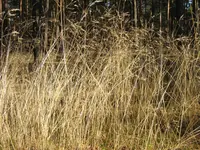
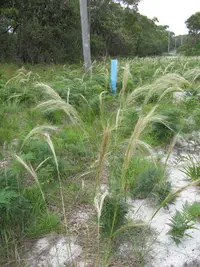
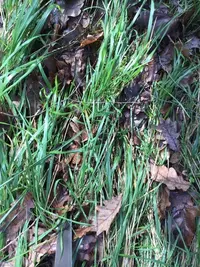
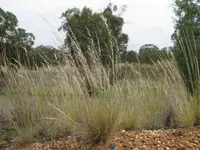
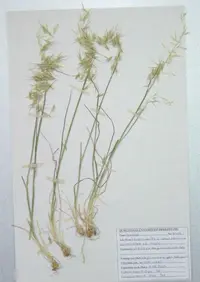
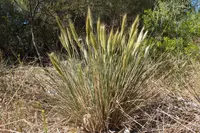
Pacific reedgrass, Calamagrostis nutkaensis, is a cool-season perennial grass native to coastal areas of the Pacific Northwest, often found in dunes, bluffs, and moist meadows. It forms dense clumps with arching, medium-green leaves and upright flower stems that create a soft, tufted look.

This species is valued for its tolerance of wind, salt spray, and variable moisture, which makes it useful in coastal and naturalistic plantings. It is generally considered manageable to grow, especially when provided with consistently moist, well-drained soil and sun to light shade.

Gardeners who want to learn how to care for Pacific reedgrass usually focus on giving it stable moisture and enough space to develop its natural, mound-forming habit.

Main Plant Requirements

Care Difficulty

Easy Care

Light Preference

Partial Sun

Water Requirements

Regular Water

Temperature Preference

Cold Hardy

Hardiness Zone

5–9

Soil Texture

Sandy, Loamy, Silty

Soil pH

Acidic (5.5–6.5), Slightly acidic (6.5–7.0)

Soil Drainage

Moist but well-drained

Fertilization

Minimal (feed rarely)

Get Personalized Care Plan

Scan your plant to receive care tips personalized for your specific plant

Available on iOS and Android

How to Care for the Pacific reedgrass

This coastal grass thrives in cool, bright conditions with some protection from intense midday sun.

  • Provide 4–6 hours of direct morning sun with light afternoon shade, or bright open shade in hotter inland sites.
  • Tolerates partial shade, but dense shade reduces vigor, weakens clumps, and leads to floppy, sparse foliage in Pacific reedgrass.
  • In very bright, hot locations, protect from strong afternoon sun to prevent leaf scorching, especially in summer and during drought stress.

This species prefers consistently moist soil but does not tolerate waterlogged conditions for long periods.

  • Outdoors in the ground, allow the top 2–4 cm of soil to start drying before watering again, then soak the root zone deeply.
  • Increase watering during hot, dry, or windy weather, and reduce frequency in cool, rainy seasons once soil remains evenly moist on its own.
  • Watch for wilting, curling, or browning leaf tips as signs of underwatering, and yellowing, mushy bases or foul smell as signs of overwatering in Calamagrostis nutkaensis.

This cool-season grass is very cold hardy and tolerates a wide range of outdoor temperatures.

  • Optimal active growth occurs around 50–70°F (10–21°C), especially in spring and fall in mild coastal climates.
  • Mature plants typically survive down to about 0°F (−18°C) or slightly lower with mulch; foliage may brown but crowns usually resprout in spring.
  • Handles summer heat up to about 80–90°F (27–32°C) if soil stays moist; prolonged extreme heat with dry soil can cause leaf scorch and dormancy.

This coastal grass tolerates a wide humidity range and rarely needs special adjustments outdoors.

This species prefers moist yet aerated soil that mimics coastal, sandy-loam conditions.

  • Use a mix of 50–60% loam or garden soil, 20–30% coarse sand, and 20–30% compost to balance structure and nutrients.
  • Aim for pH 6.0–7.5, as mildly acidic to neutral conditions support root health and nutrient uptake for Calamagrostis nutkaensis.
  • Ensure steady moisture with drainage that prevents standing water, which encourages root rot in this grass.
  • Avoid heavy, compacted clay or peat-heavy mixes that stay saturated and restrict air movement around the roots.

This grass can grow successfully in containers when given stable, well-drained conditions.

  • Choose a wide, heavy container to counteract the fountain-like, spreading top growth and reduce tipping in wind.
  • Select a pot depth of at least 30–40 cm so the fibrous root system can anchor and support tall foliage.
  • Use a sharply draining mix and slightly elevate the pot feet to keep drainage holes clear and prevent water pooling under the container.

Calamagrostis nutkaensis usually needs only light feeding when grown in average to rich garden soil.

  • Apply a thin layer of compost around the clump in early spring to support new growth.
  • In poorer soils, use a balanced slow-release fertilizer (around 10-10-10) once in spring during the main growing season.
  • Use fertilizer at half the label strength to avoid overly lush, floppy foliage.
  • Do not feed in late fall or winter, as the plant is largely dormant and excess nutrients are wasted.

Pruning Calamagrostis nutkaensis is simple and mainly focuses on tidying old growth and maintaining a neat clump.

  • Cut back dry foliage and flower stems to 5–10 cm above ground in late winter or very early spring before new shoots emerge.
  • Remove dead, damaged, or diseased leaves and stems during the season using clean, sharp shears.
  • Thin out crowded or weak stems to keep good air flow and a balanced, upright shape.
  • Leave autumn and winter stalks standing if desired for structure and habitat, then trim them at the end of winter.

This grass is usually grown in the ground, and transplanting established clumps is only needed every few years.

  • Plan to divide or move clumps every 3–5 years if growth slows, centers thin out, or roots become dense near the soil surface.
  • Transplant in early spring or early fall when temperatures are mild to reduce stress.
  • Dig widely around the clump, lift with as much root mass as possible, and replant at the same depth in well-drained soil.
  • Water thoroughly after transplanting, then keep soil evenly moist for several weeks to help roots re-establish.

Division is the most reliable method for propagating Calamagrostis nutkaensis in gardens.

  • Divide mature clumps in early spring or early fall when the plant is not in peak growth.
  • Lift the clump and split it into sections, each with several shoots and healthy roots, using a sharp spade or knife.
  • Replant divisions immediately at the same depth in moistened, well-drained soil, spacing to allow mature spread.
  • Seeds can be sown in trays or pots with a light, moist mix and cool conditions, but divisions give faster, more predictable results.

This coastal grass is cold hardy and usually needs minimal winter care in most temperate climates.

  • Tolerates frost and light to moderate freezes once established, especially in well-drained soil.
  • Leave dried foliage standing over winter to shield the crown and provide structure, cutting back in late winter.
  • Apply a light mulch layer around the base in colder zones to buffer soil temperature, keeping mulch off the crown.
  • Container plants benefit from a sheltered spot against a wall or in an unheated garage to avoid repeated freeze-thaw cycles.

Care Tips

Winter crown protection

In colder regions, leave the previous season’s foliage standing over winter to insulate the crown, then cut it back in late winter before new growth starts to reduce frost damage and rot risk at the base.

Salt and wind management

When planting near roads or coastal paths, place the grass slightly back from high-splash zones and use a low edging or gravel strip to reduce direct salt spray and soil compaction around the clump.

Clump rejuvenation

Every 3–5 years, lift and divide congested clumps in early spring, discarding the woody center and replanting only the vigorous outer sections to maintain dense, upright growth.

Erosion control planting

On slopes or sandy banks, plant in staggered rows and space plants more closely (30–45 cm) so the root systems knit together and stabilize the soil more effectively when growing Pacific reedgrass.

Weed-suppressing mulch

Apply a 5–7 cm layer of coarse, well-drained mulch such as fine gravel or bark around but not touching the crowns to suppress weeds and keep the base of the plants drier and less prone to rot.

Common Pests and Diseases

Rust

This disease causes yellow, orange, or brown powdery pustules on leaves and stems, especially in dense, moist plantings. Symptoms include reduced vigor and premature leaf browning in established clumps.

Solution

Remove and discard heavily infected foliage to reduce spore load, then thin or divide clumps to increase airflow and reduce leaf wetness. Avoid overhead watering, irrigate early in the day so foliage dries quickly, and if rust recurs, use a labeled sulfur or chlorothalonil fungicide applied according to Calamagrostis nutkaensis care instructions for ornamental grasses.

Leaf spot

This disease produces tan to dark brown spotting or streaking on leaf blades, often starting on older foliage in wet or foggy conditions. Symptoms include cosmetic damage and gradual thinning when infection is severe over several seasons.

Solution

Cut back and dispose of spotted leaves to remove inoculum, and improve spacing and air circulation in the planting area. Water at soil level, keep thatch and debris away from the crown, and in repeatedly affected coastal sites consider rotating to more resistant ornamental grasses if damage is persistent.

Aphids

These insects cluster on young shoots and flower stems, sucking sap and causing leaf curl, distortion, or sticky honeydew on foliage. This pest is more common on nutrient-rich, irrigated landscape plantings than on wild stands.

Solution

Spray clumps with a strong stream of water to dislodge colonies, focusing on undersides of leaves and tender shoots. Encourage or preserve natural predators such as lady beetles, avoid excess nitrogen fertilization, and if populations remain high, apply insecticidal soap or a light horticultural oil, coating affected areas thoroughly.

Grass mealybugs

These insects hide at the leaf bases and in the crown, producing white cottony clusters and sucking sap from stems and lower leaves. This pest can cause localized yellowing, weak growth, and a somewhat stunted appearance in ornamental plantings.

Solution

Inspect the crown area closely and manually remove visible clusters with a gloved hand or a cotton swab dipped in alcohol, then discard. For larger infestations, cut back old foliage to expose the crown, increase plant vigor with proper watering and soil drainage, and if needed apply insecticidal soap or systemic insecticide labeled for ornamental grasses, following local regulations.

Interesting Facts

Native coastal specialist

This species is native to the Pacific coast of North America from Alaska to California, where it naturally occupies dunes, salt marsh edges, and coastal bluffs that many other grasses cannot tolerate.

Remarkable salt tolerance

The grass shows high tolerance to salt spray and occasional saltwater inundation, which allows it to stabilize shorelines and dunes in exposed marine environments.

Important wildlife cover

Dense clumps and arching leaves provide shelter and nesting sites for coastal birds and small mammals, and its structure helps protect invertebrate communities in windy, sandy habitats.

Botan icon

Did you know?

In some West Coast habitat restoration projects, this grass is deliberately planted to rebuild degraded dune systems because its robust root and rhizome network traps blowing sand and helps re-form stable dune contours over time.

FAQs about Pacific reedgrass

This species is semi-evergreen. In mild coastal climates it often keeps green foliage through winter, though older leaves may brown. In colder sites, top growth can die back and re-sprout from the base in spring.

Grow Healthy Plants with Botan Care

Keep your plants happy and healthy with plant identification, disease detection, and easy care guidance.

Botan plant care app — identify plants on mobile

Explore More Plants