Red Chanterelle Care (Cantharellus cinnabarinus)

Also known as: Cinnabar-red Chanterelle
Red Chanterelle

About Red Chanterelle

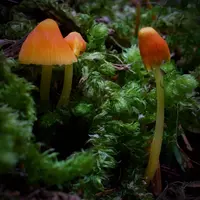
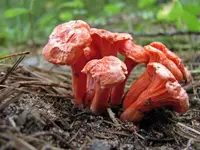
Red chanterelle, Cantharellus cinnabarinus, is a small, wild mushroom-forming fungus, not a typical houseplant. It produces bright red to orange funnel-shaped caps with shallow, forked ridges instead of true gills. This species usually appears in summer and early fall.

It grows on the ground in mixed and hardwood forests, especially with oaks and other broadleaf trees in eastern North America. Red chanterelle forms a mycorrhizal partnership, meaning its fine roots interconnect with tree roots, which makes it very hard to cultivate. Most information on how to care for Red Chanterelle focuses on protecting its woodland habitat rather than trying to grow it indoors or in containers.

Main Plant Requirements

Care Difficulty

Hard Care

Light Preference

Partial Shade

Water Requirements

Regular Water

Temperature Preference

Cool Climate

Hardiness Zone

5–9

Soil Texture

Loamy, Silty, Organic-rich

Soil pH

Strongly acidic (4.5–5.5), Acidic (5.5–6.5)

Soil Drainage

Moist but well-drained

Fertilization

Minimal (feed rarely)

Get Personalized Care Plan

Scan your plant to receive care tips personalized for your specific plant

Available on iOS and Android

How to Care for the Red Chanterelle

This forest-dwelling fungus thrives in dappled woodland light rather than direct open sun.

  • Provide 2–5 hours of gentle, filtered light per day from overhead tree canopy, similar to mixed hardwood woodland shade.
  • Tolerates bright morning sun through trees but should be protected from strong midday and afternoon sun to prevent substrate overheating and drying.
  • In summer, prioritize partial to full shade with high ambient light; in spring and fall, slightly brighter but still indirect conditions support Red Chanterelle fruiting.

This mycorrhizal fungus depends on steady, natural soil moisture rather than frequent surface watering.

  • Aim for consistently moist but never saturated soil, where the top 2–3 cm feel slightly damp and do not form puddles or mud after rain or irrigation.
  • Increase deep watering only during extended dry spells, using slow soaking that drains within 1–2 hours to avoid waterlogged, anaerobic soil.
  • Reduce supplemental water in cool seasons and watch for signs such as shrinking, brittle fruiting bodies (too dry) or slimy, collapsing mushrooms (overly wet).

This species prefers cool to mild woodland temperatures and does not tolerate extreme heat or severe frost well.

  • Optimal fruiting often occurs around 60–75°F (16–24°C), with mycelium growth possible over a slightly broader range if soil moisture stays stable.
  • Tolerates brief drops to about 30–32°F (-1–0°C), but repeated hard freezes without insulating leaf litter can damage developing fruiting bodies.
  • Extended exposure above 80–85°F (27–29°C), especially with dry soil, reduces fruiting; shade, mulch, and soil moisture help buffer summer heat for Cantharellus cinnabarinus.

This mycorrhizal mushroom requires consistently moist, humid woodland conditions rather than dry air.

  • Aim for 70–90% humidity in the growing zone, mimicking shaded forest-floor moisture under leaf litter.
  • Dry, windy air quickly desiccates the substrate, causing caps to crack, edges to curl, and pinning to abort.
  • Increase humidity by using deep leaf mulch, misting the surrounding ground (not the fruiting bodies), and reducing air movement around Red Chanterelle patches.

This fungus relies on specific forest soil conditions rather than conventional potting soil.

  • Grow in loose, well-drained, organic-rich loam with abundant leaf litter and fine roots from compatible host trees such as oak or pine.
  • Maintain slightly acidic conditions around pH 4.5–6.0, avoiding liming or heavy wood ash that raises pH too high for Cantharellus cinnabarinus.
  • Improve structure by layering shredded leaves, partially decomposed hardwood chips, and a small amount of native forest topsoil to support fungal colonization.
  • Avoid compacted clay, waterlogged hollows, and heavily fertilized or disturbed soils, which disrupt mycorrhizal partnerships and reduce fruiting.

This species is not suitable for container growing because it depends on stable, long-term mycorrhizal relationships with tree roots in undisturbed soil.

Cantharellus cinnabarinus is a wild mycorrhizal fungus that typically grows best without added fertilizer in suitable forest soil.

Pruning is not relevant for Cantharellus cinnabarinus, since it is a forest mushroom rather than a garden shrub or houseplant.

This fungus forms symbiotic relationships with tree roots, so it is not suited to conventional repotting or frequent transplanting.

  • Avoid container culture; instead, support host trees in suitable, well-drained, mildly acidic woodland soil with ample organic matter.
  • If moving young host trees, transplant them in cool, moist weather to limit root stress and help associated fungi adjust.
  • Keep soil disturbance minimal around known fruiting areas to preserve fine roots and fungal mycelium.
  • Maintain leaf litter rather than bare soil, as this protects the underground network and stabilizes moisture.

Propagation of Cantharellus cinnabarinus is technically complex and not reliably achieved by home growers.

Red Chanterelle is naturally cold hardy in its native range and generally needs no special winter care when established in the ground.

Care Tips

Host tree selection

Establish new patches only near compatible broadleaf hosts such as oak, beech, or sweetgum, since this ectomycorrhizal fungus depends on a living tree root partner rather than enriched beds or containers.

Minimal ground disturbance

Avoid raking, tilling, or heavy foot traffic where fruiting occurs so the fine mycelial network and tree feeder roots remain intact and productive over many years.

Leaf litter management

Maintain a thin, natural layer of hardwood leaf litter over the fruiting area, removing only thick, matted accumulations so moisture is conserved but young mushrooms can still emerge through the surface.

Gentle harvesting technique

Cut mushrooms at the base with a clean knife instead of pulling or twisting, and avoid disturbing nearby moss and soil so the hidden mycelium can continue producing future flushes.

Site moisture buffering

In dry spells, lightly mulch around the dripline of host trees with shredded hardwood leaves or untreated wood chips to stabilize soil moisture and temperature without burying existing fruiting zones, which supports long-term success when growing Red Chanterelle.

Common Pests and Diseases

Mycophagous slugs

This pest feeds on developing fruiting bodies, often hollowing them out, scarring caps, and reducing usable harvest. Symptoms include ragged edges on caps, missing tissue, and slime trails on soil or nearby debris.

Solution

Hand-pick slugs during evening or early morning and use simple barriers such as copper tape or rough crushed-shell rings around productive patches. Reduce dense ground litter that shelters slugs, and if needed, place beer traps or iron-phosphate slug baits around, not directly on, the chanterelle fruiting area to limit contact with the mushrooms.

Fungus gnats

These insects are attracted to moist, organic-rich substrates and can damage fine mycelial strands by feeding on them. Symptoms include reduced or patchy fruiting and presence of small, dark, mosquito-like flies hovering near the substrate surface.

Solution

Improve surface drainage and avoid chronic waterlogging of the forest floor microhabitat or cultivation bed. Sticky traps near the fruiting area help reduce adult numbers, and lightly disturbing the upper substrate and removing decaying organic excess can lower larval habitat without disrupting the main mycelial zone.

Mold contamination

This disease occurs when fast-growing competitor molds colonize the same substrate, especially in overly wet, stagnant conditions. Symptoms include fuzzy white, green, or gray patches over substrate or on aborted primordia instead of clean, firm chanterelle pins.

Solution

Increase airflow and reduce constant surface wetness by adjusting irrigation patterns or thinning overhead litter layers. Carefully remove and discard obviously moldy substrate pockets and maintain a more balanced moisture regime, allowing the top layer to dry slightly between wetting events to favor healthy chanterelle mycelium, which is central to Cantharellus cinnabarinus care instructions.

Bacterial soft rot

This disease affects fruiting bodies in warm, very humid conditions, causing water-soaked, slimy, and foul-smelling tissue. Symptoms include rapid collapse of caps and stems and discoloration from bright red to dull, brownish patches.

Solution

Harvest mushrooms promptly when mature and avoid letting them sit in standing water or dense, wet leaf litter. Improve air movement at the forest floor by gently loosening compacted debris, and remove and discard any rotten fruiting bodies to limit bacterial buildup and secondary spread.

Interesting Facts

Eastern North America specialist

This species is native to and strongly associated with mixed hardwood forests of eastern North America, especially under oak, beech, and sometimes pine, forming mycorrhizal partnerships with their roots.

Distinctive red-orange pigment

The fruiting bodies have a uniform bright red to cinnabar-orange color, including the stem and false gills, which helps distinguish it from the more common yellow chanterelles and from many toxic look-alike mushrooms.

Summer and early fall fruiting

It typically appears in warm, moist conditions from late spring through summer into early fall, often fruiting in scattered groups or loose clusters on the forest floor rather than on wood.

Botan icon

Did you know?

This species forms ectomycorrhizal associations with trees, meaning its fine fungal threads wrap around root tips and extend into the soil, increasing the tree’s access to water and nutrients while receiving sugars produced by the tree, making it an important partner in forest nutrient cycles.

FAQs about Red Chanterelle

This species is considered a choice edible mushroom when correctly identified, with firm flesh and a mild, fruity aroma. Misidentification risk is significant, so beginners should forage only with expert guidance or reliable local mycological support.

Grow Healthy Plants with Botan Care

Keep your plants happy and healthy with plant identification, disease detection, and easy care guidance.

Botan plant care app — identify plants on mobile

Explore More Plants